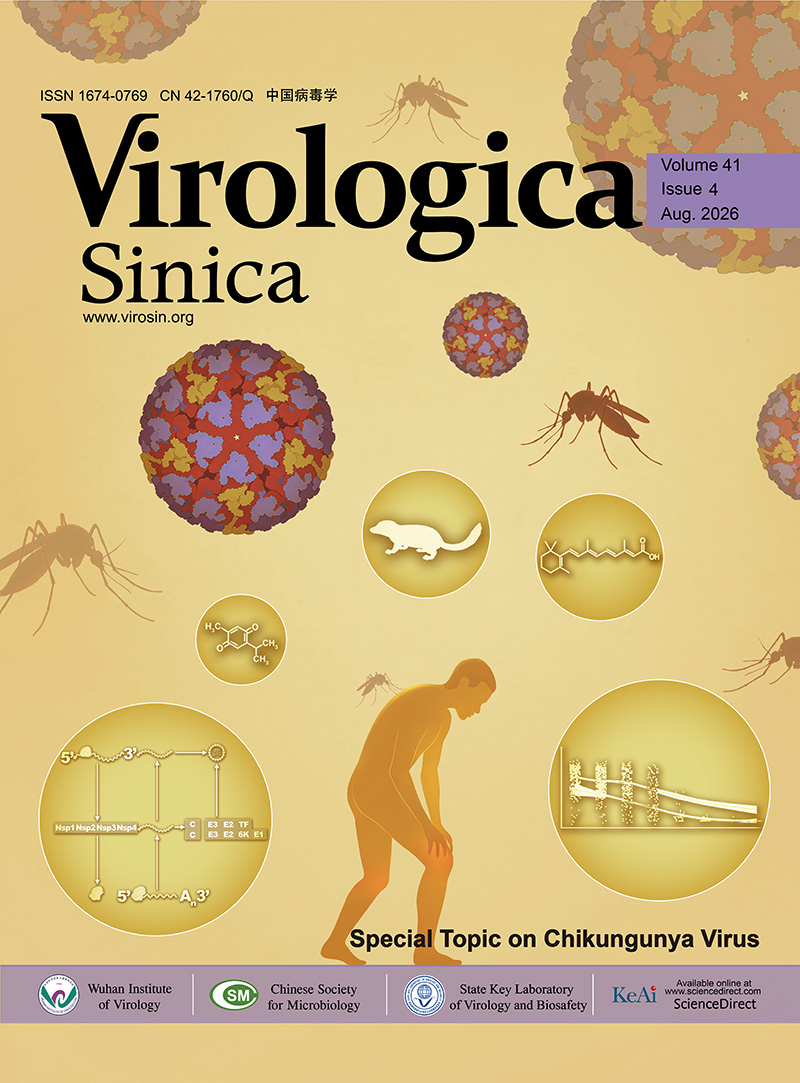
Porcine epidemic diarrhea virus (PEDV) is a devastating enteric coronavirus in piglets. This virus can cause up to 100% mortality in piglets within two weeks of age, posing a significant threat to the swine industry. Recent virome analyses have identified several PEDV-like coronaviruses in bats, indicating potential cross-species infectivity. In this issue, Chen et al. detected the nucleic acid of PEDV in pig farm rat fecal samples. Subsequent animal challenge experiments showed that PEDV can cause systemic infections in neonatal mice and rats, with morbidity and mortality highly influenced by inoculation routes and doses. Unlike pigs, where PEDV targets the intestine, the brain and lungs were the primary organs affected in rodents. Moreover, the cerebral tropism of PEDV was first verified in piglets. This study provides robust evidence supporting the potential cross-species infection of PEDV. The cover depicts the possible PEDV transmission chain linked by the coexistence of rats and pigs on farms (Kindly designed and provided by Prof. Guangliang Liu and Dr. Jianing Chen). See page 301–313 for details.
The cross-species infection of coronaviruses has resulted in several major epidemics since 2003. Porcine epidemic diarrhea virus (PEDV) is a devastating swine enteric coronavirus, which targets pigs as the only natural reservoir. In this study, the nucleic acid of PEDV was detected in rat fecal samples collected from pig farms. Further animal tests showed that PEDV can cause systemic infections in neonatal mice and rats via intracranial inoculation. The brain, lung, intestine and spleen were all targets for PEDV in rodents in contrast to the intestine being targeted in pigs. Morbidity and mortality vary via different infection routes. PEDV was also detectable in feces after infection, suggesting that the infected rodents were potential infectious sources. Moreover, the cerebral tropism of PEDV was verified in piglets via orally inoculation, which had not been identified before. In conclusion, our findings demonstrate that PEDV could cross the species barrier to infect mice and rats through different routes in experimental settings. Although it is highly devastating to piglets, PEDV changes the target organs and turns to be milder when meeting with new hosts. Based on these findings, more attention should be paid to the potential cross-species infection of PEDV.
Viruses circulating in small mammals possess the potential to infect humans. Tree shrews are a group of small mammals inhabiting widely in forests and plantations, but studies on viruses in tree shrews are quite limited. Herein, viral metagenomic sequencing was employed to detect the virome in the tissue and swab samples from seventy-six tree shrews that we collected in Yunnan Province. As the results, genomic fragments belonging to eighteen viral families were identified, thirteen of which contain mammalian viruses. Through polymerase chain reaction (PCR) and Sanger sequencing, twelve complete genomes were determined, including five parvoviruses, three torque teno viruses (TTVs), two adenoviruses, one pneumovirus, and one hepacivirus, together with three partial genomes, including two hepatitis E viruses and one paramyxovirus. Notably, the three TTVs, named TSTTV-HNU1, TSTTV-HNU2, and TSTTV-HNU3, may compose a new genus within the family Anelloviridae. Notably, TSParvoV-HNU5, one of the tree shrew parvoviruses detected, was likely to be a recombination of two murine viruses. Divergence time estimation further revealed the potential cross-species-transmission history of the tree shrew pneumovirus TSPneV-HNU1. Our study provides a comprehensive exploration of viral diversity in wild tree shrews, significantly enhancing our understanding of their roles as natural virus reservoirs.
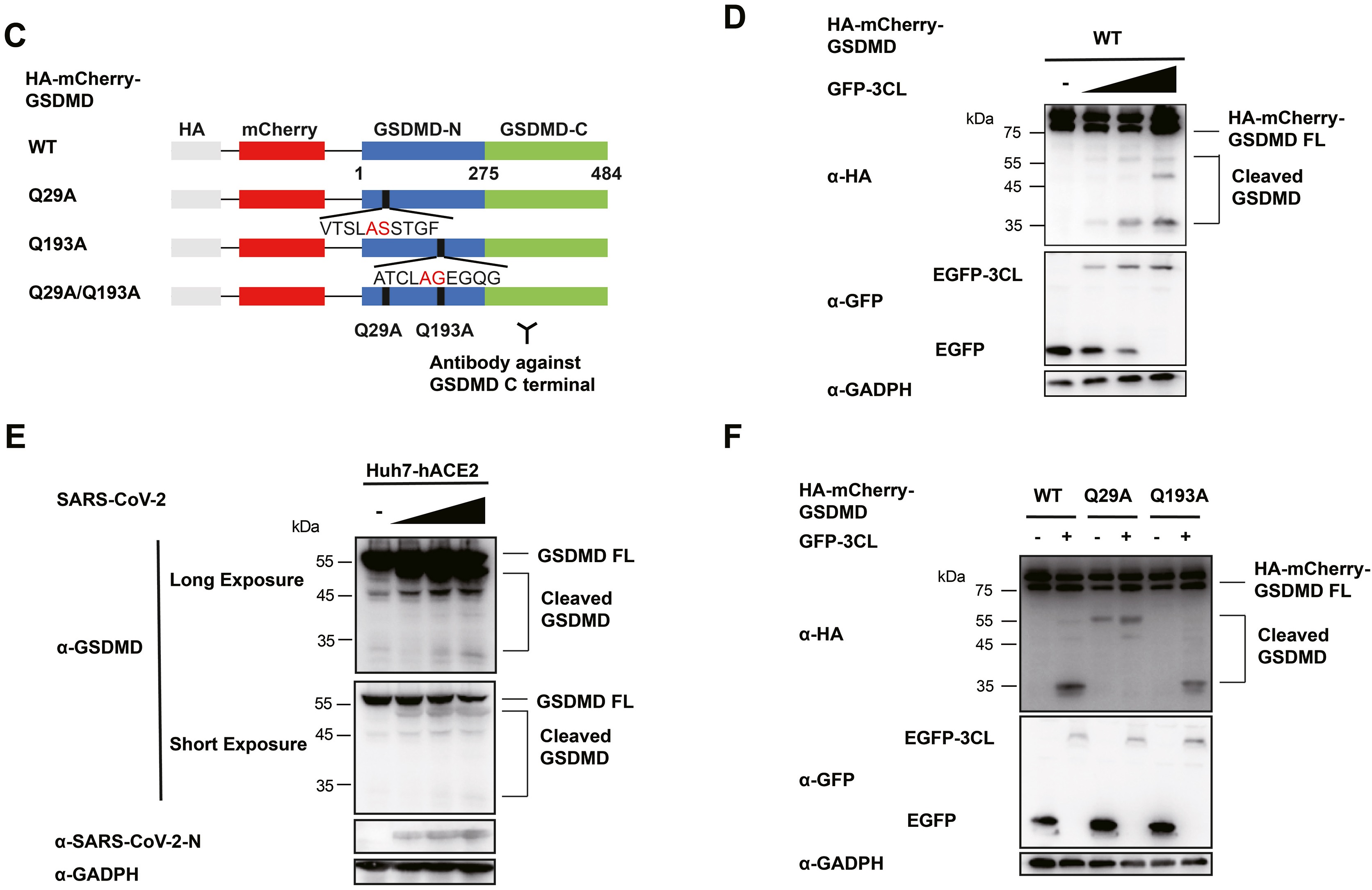
Severe acute respiratory syndrome coronavirus 2 (SARS-CoV-2), the causative agent of novel coronavirus disease 2019, can cause acute respiratory symptoms and even death globally. However, the immune escape mechanism and viral pathogenesis remain poorly understood. Here, we report that the SARS-CoV-2 3C-like (3CL) protease specifically cleaves gasdermin D (GSDMD) at Q29 and Q193, producing two N-terminal fragments, GSDMD1-29 and GSDMD1-193. We also found that SARS-CoV-2 infection induced the cleavage of GSDMD. Then, we demonstrated that the ability to cleave GSDMD was dependent on the protease activity of the 3CL protease. Interestingly, unlike the GSDMD1-275 fragment cleaved by caspase-1, GSDMD1-29 and GSDMD1-193 did not trigger pyroptosis or inhibit SARS-CoV-2 replication. Additionally, various RNA viral proteases display different preferences for cleaving GSDMD at Q29 and Q193. Our findings reveal a mechanism by which SARS-CoV-2 and other RNA viruses inhibit pyroptosis, highlighting the critical role of the 3CL protease in immune evasion and viral replication.
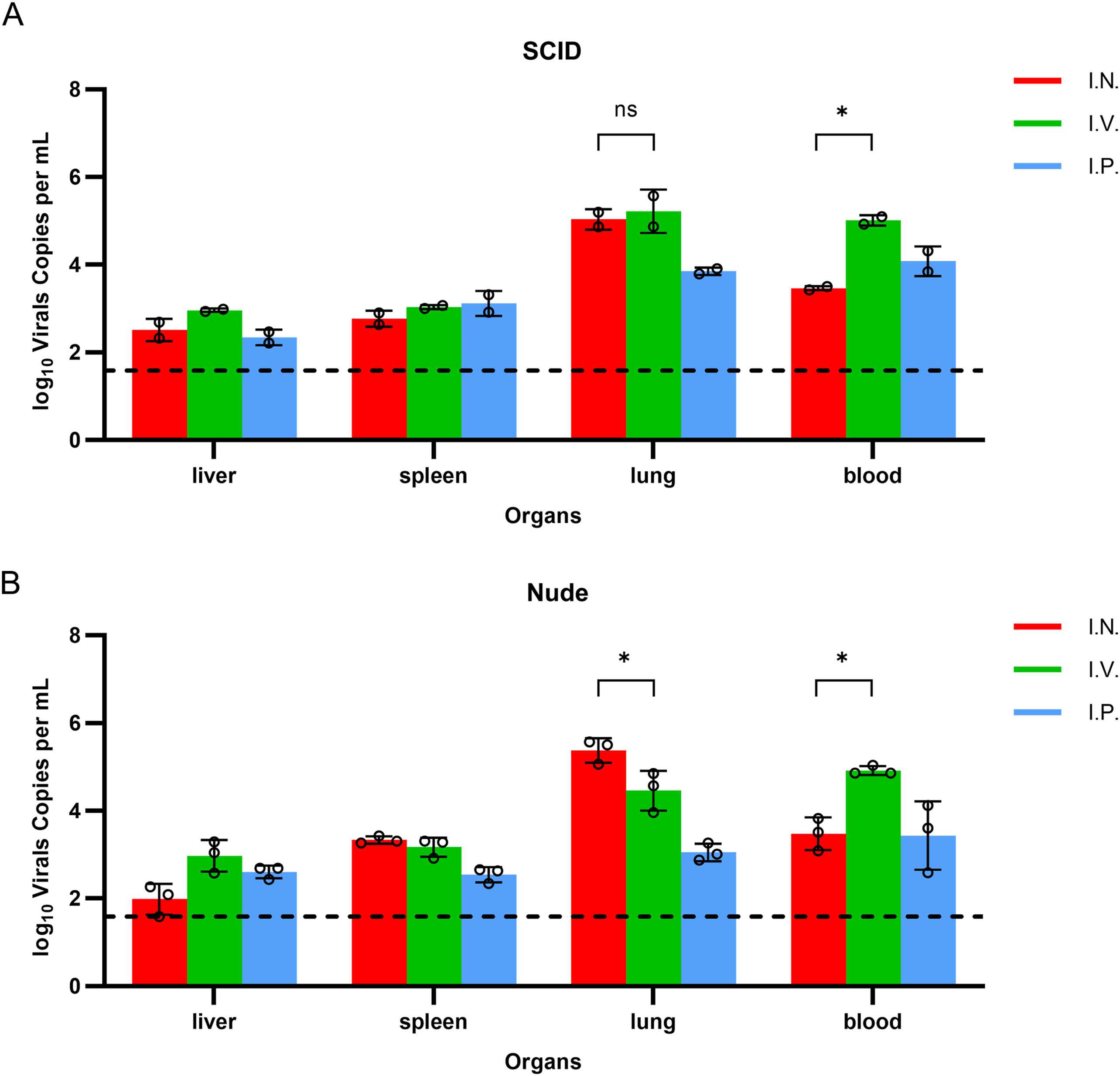
Monkeypox virus (MPXV), a member of the Orthopoxvirus genus, caused a large-scale global outbreak in 2022. Developing mouse models for MPXV infection is crucial for advancing research on vaccines and therapeutic interventions. To address this, we conducted a comparative study on the susceptibility of six mouse strains—severe combined immune-deficiency (SCID), nude, genetically diabetic (db/db) and obese (ob/ob), C57BL/6J, and BALB/c—to MPXV infection. Mouse strains were infected with MPXV via intranasal inoculation, and body weight changes and mortality were monitored post-infection. Additionally, the tissue distribution of MPXV and the pathological changes in the lung tissues of the infected mice were evaluated. The results demonstrated that SCID and nude mice exhibited significant weight loss following MPXV infection, with 100 % mortality observed in SCID mice, while no mortality occurred in nude mice. In contrast, the other mouse strains showed no significant weight loss or mortality. Notably, the viral load in the lung tissues of SCID and nude mice was the highest among the tested strains. Furthermore, we investigated the impact of different inoculation routes—intranasal (I.N.), intraperitoneal (I.P.), and intravenous (I.V.)—on the pathogenicity of MPXV in mice. The results revealed that the intravenous route induced more pronounced pathogenic effects compared to the intranasal and intraperitoneal routes. In summary, this study provides valuable insights into the development of MPXV-infected mouse models, offering a foundation for further research on MPXV pathogenesis and therapeutic drug development.
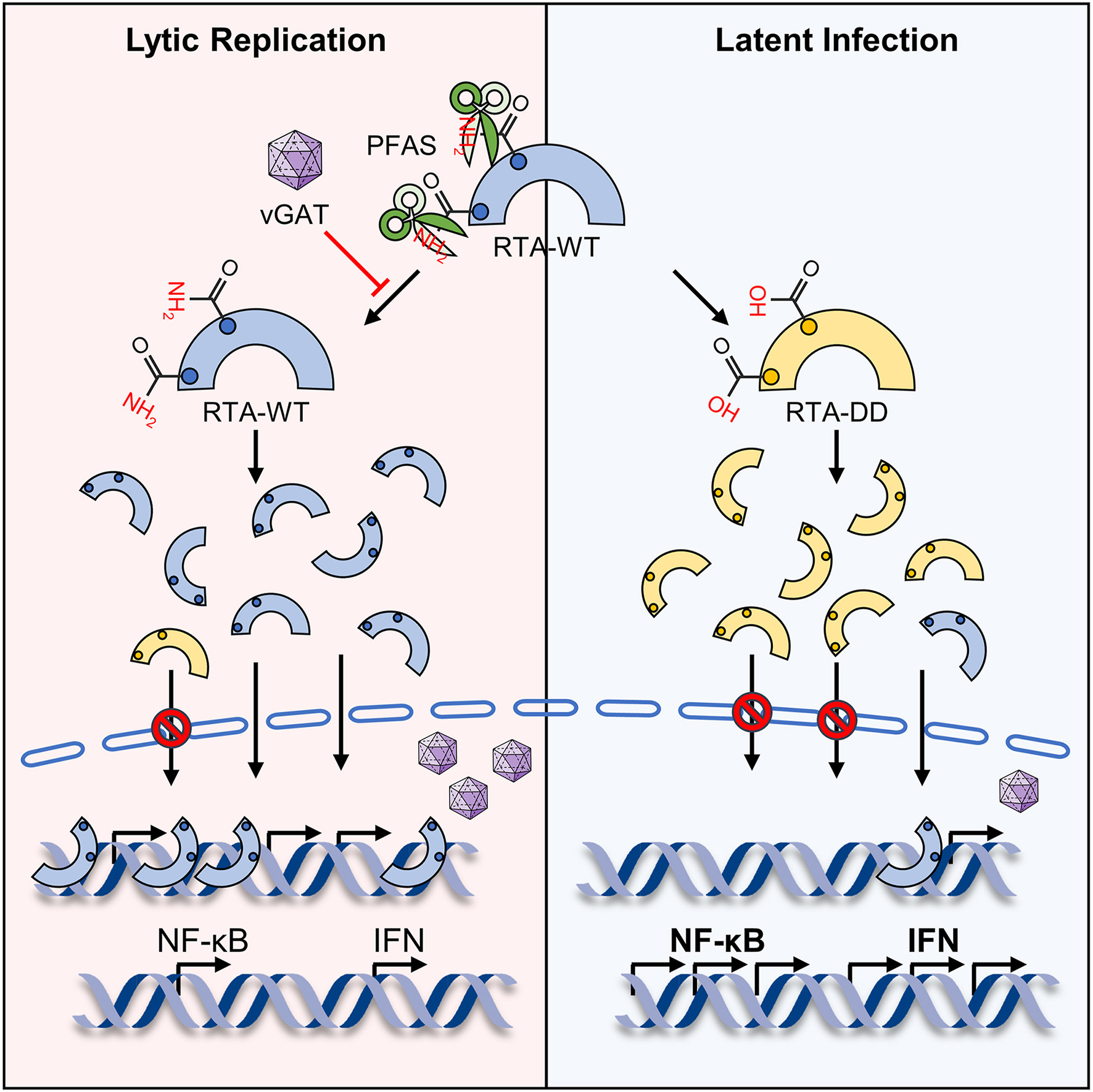
Deamidation, a type of post-translational modification commonly considered a hallmark of protein “aging” and function decay, is increasingly recognized for its pivotal role in regulating biological processes and viral infection. Our previous study has demonstrated that the deamidation of replication and transcription activator (RTA), a master regulator of ubiquitous and oncogenic Kaposi's sarcoma-associated herpesvirus (KSHV), mediated by phosphoribosylformylglycinamidine synthetase (PFAS), hinders its nuclear import and transcriptional activity. Here we report that the viral glutamine amidotransferase (vGAT) pseudo-enzyme is exploited to facilitate KSHV lytic infection by inhibiting RTA deamidation. To be more specific, vGAT interacts with both RTA and cellular PFAS, and inhibits PFAS-mediated RTA deamidation, thus facilitating RTA nuclear localization and suppressing nuclear factor-kappa B (NF-κB) signaling activation, as well as augmenting RTA-mediated transcriptional activation of viral open reading frames (ORFs). In addition, vGAT appears to regulate the deamidation process of several viral ORFs of KSHV. Collectively, these findings unveil that a viral pseudo-enzyme is exploited to enhance viral infection via deamidation regulation.
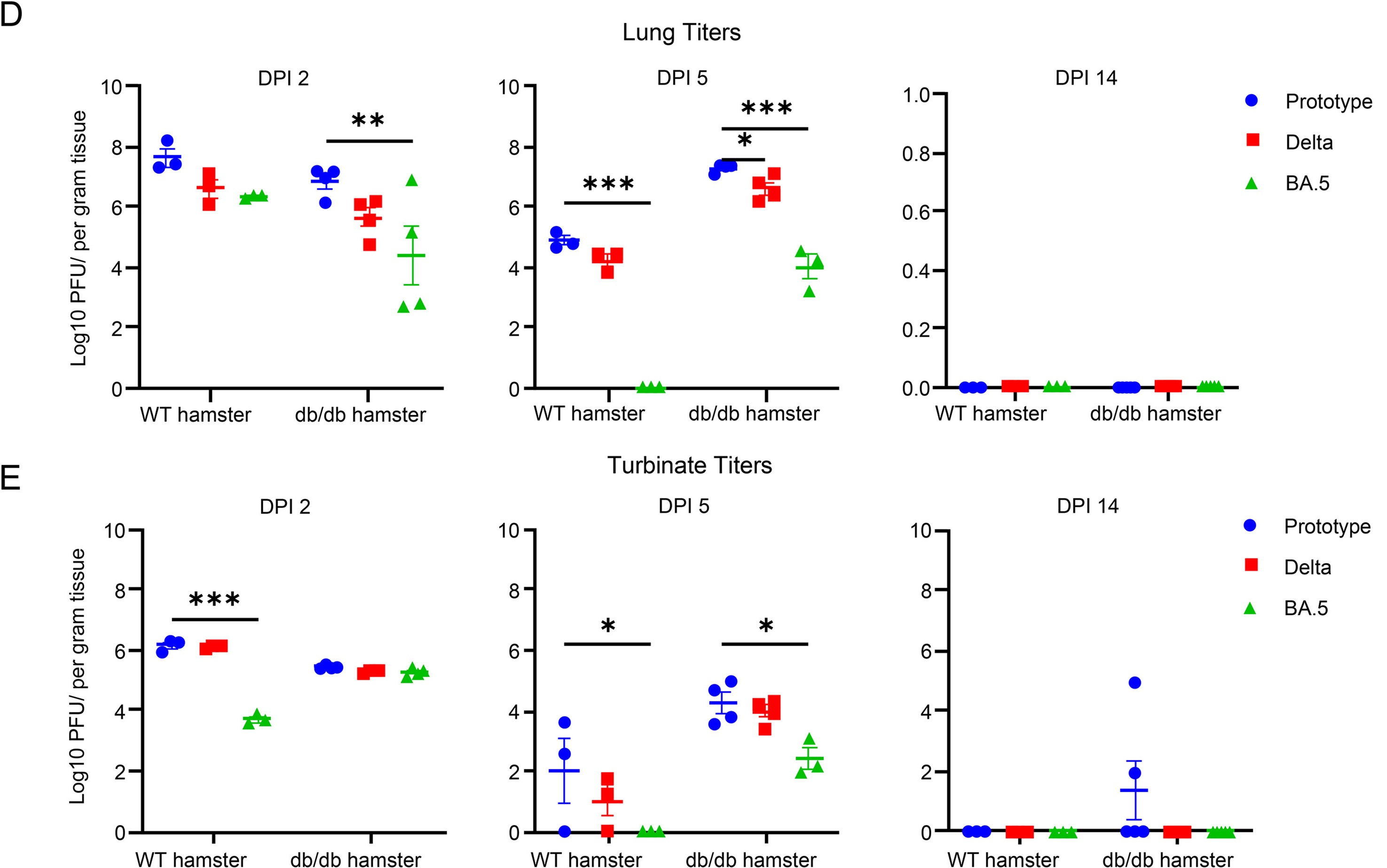
Being widespread across the globe, severe acute respiratory syndrome coronavirus 2 (SARS-CoV-2) keeps evolving and generating new variants and continuously poses threat to public health, especially to the population with chronic comorbidities. Diabetes mellitus is one of high-risk factors for severe outcome of coronavirus disease 2019 (COVID-19). Establishment of animal models that parallel the clinical and pathological features of COVID-19 complicated with diabetes is thus highly essential. Here, in this study, we constructed leptin receptor gene knockout hamsters with the phenotype of diabetes mellitus (db/db), and revealed that the diabetic hamsters were more susceptible to SARS-CoV-2 and its variants than wild-type hamsters. SARS-CoV-2 and its variants induced a stronger immune cytokine response in the lungs of diabetic hamsters than in wild-type hamsters. Comparative histopathology analyses also showed that infection of SARS-CoV-2 and the variants caused more severe lung tissue injury in diabetic hamsters, and may induce serious complications such as diabetic kidney disease and cardiac lesions. Our findings demonstrated that despite the decreased respiratory pathogenicity, the SARS-CoV-2 variants were still capable of impairing other organs such as kidney and heart in diabetic hamsters, suggesting that the risk of evolving SARS-CoV-2 variants to diabetic patients should never be neglected. This hamster model may help better understand the pathogenesis mechanism of severe COVID-19 in patients with diabetes. It will also aid in development and testing of effective therapeutics and prophylactic treatments against SARS-CoV-2 variants among these high-risk populations.
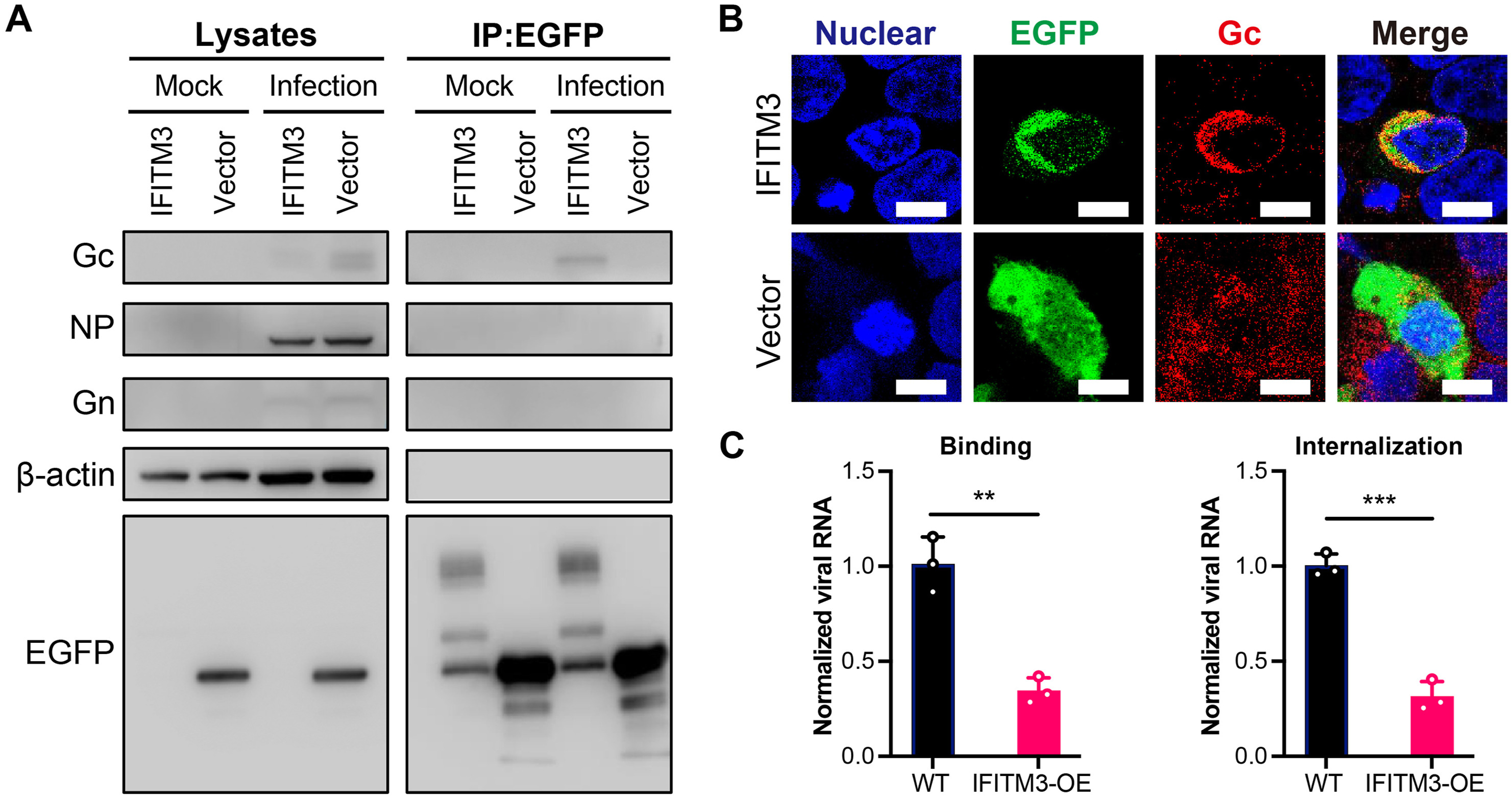
Crimean-Congo hemorrhagic fever (CCHF) is a hemorrhagic fever caused by infection with the CCHF virus (CCHFV) and has a mortality rate of up to 30 %. Thrombocytopenia is a hallmark of CCHF; however, the mechanisms underlying this manifestation remain poorly understood. In addition to hemostasis, platelets play a crucial role in recognizing pathogens and mediating immune responses. We investigated the mechanisms underlying thrombocytopenia associated with CCHFV infection by analyzing the platelet transcriptome in mice. Interferon-induced transmembrane protein 3 (IFITM3), a known antiviral factor, was significantly upregulated. The role of IFITM3 in response to CCHFV infection was characterized using the human megakaryoblast cell line MEG-01, considered a parental cell line of platelets. Although the CCHFV infection rate was limited, MEG-01 cells maintained the infection and replication of CCHFV, leading to increased IFITM3 protein expression. We demonstrated that IFITM3 overexpression efficiently inhibited CCHFV infection, whereas IFITM3 knockout promoted viral infection. An interaction between IFITM3 and the CCHFV glycoprotein Gc was identified, which suppressed CCHFV entry into cells. The IFITM3 CIL-TMD domain is critical for this interaction. These results suggest that IFITM3 is a restriction factor and plays an antiviral role during CCHFV infection. Elevated expression of IFITM3 in platelets indicates that this could be a common mechanism by which platelets protect against viruses, including CCHFV, which may reduce platelet consumption and destruction caused by CCHFV infection. These findings provide valuable insights into the pathogenesis of CCHF-associated thrombocytopenia and offer foundational theoretical support for future therapeutic strategies.
The persistence of covalently closed circular DNA (cccDNA) in hepatitis B virus (HBV)-infected hepatocytes remains a major obstacle to effective antiviral treatment. Understanding the molecular mechanisms regulating HBV cccDNA transcription is essential for developing novel therapeutic strategies. In this study, we investigated the role of RNA binding motif protein 25 (RBM25) in HBV replication, focusing on its interaction with cccDNA and its regulation of host transcription factors. The results demonstrated that RBM25 knockdown markedly inhibited HBV replication, reducing levels of HBV DNA, hepatitis B e antigen (HBeAg), hepatitis B surface antigen (HBsAg), HBV RNA, and L-HBs in HBV-replicating and infected cell models. Consistent results were observed in a mouse model hydrodynamically injected with 1.2 × HBV plasmid. Conversely, RBM25 overexpression significantly enhanced HBV replication. Mechanistically, RBM25 promoted HBV promoter activities by binding to cccDNA through its RE/RD and PWI domains. This effect was mediated by increased Yin Yang 1 (YY1) expression, which enhanced acetylation of cccDNA-bound histones, promoting HBV transcription. Furthermore, RBM25 expression was upregulated and translocated to the nucleus following core protein expression and accumulation, while overexpression of RBM25 promoted core protein degradation. In conclusion, this study demonstrates that RBM25 is a novel host factor that enhances HBV replication by upregulating YY1-dependent transcriptional activation of cccDNA. It also reveales a reciprocal regulatory mechanism between the HBV core protein and RBM25, which helps sustain HBV replication.
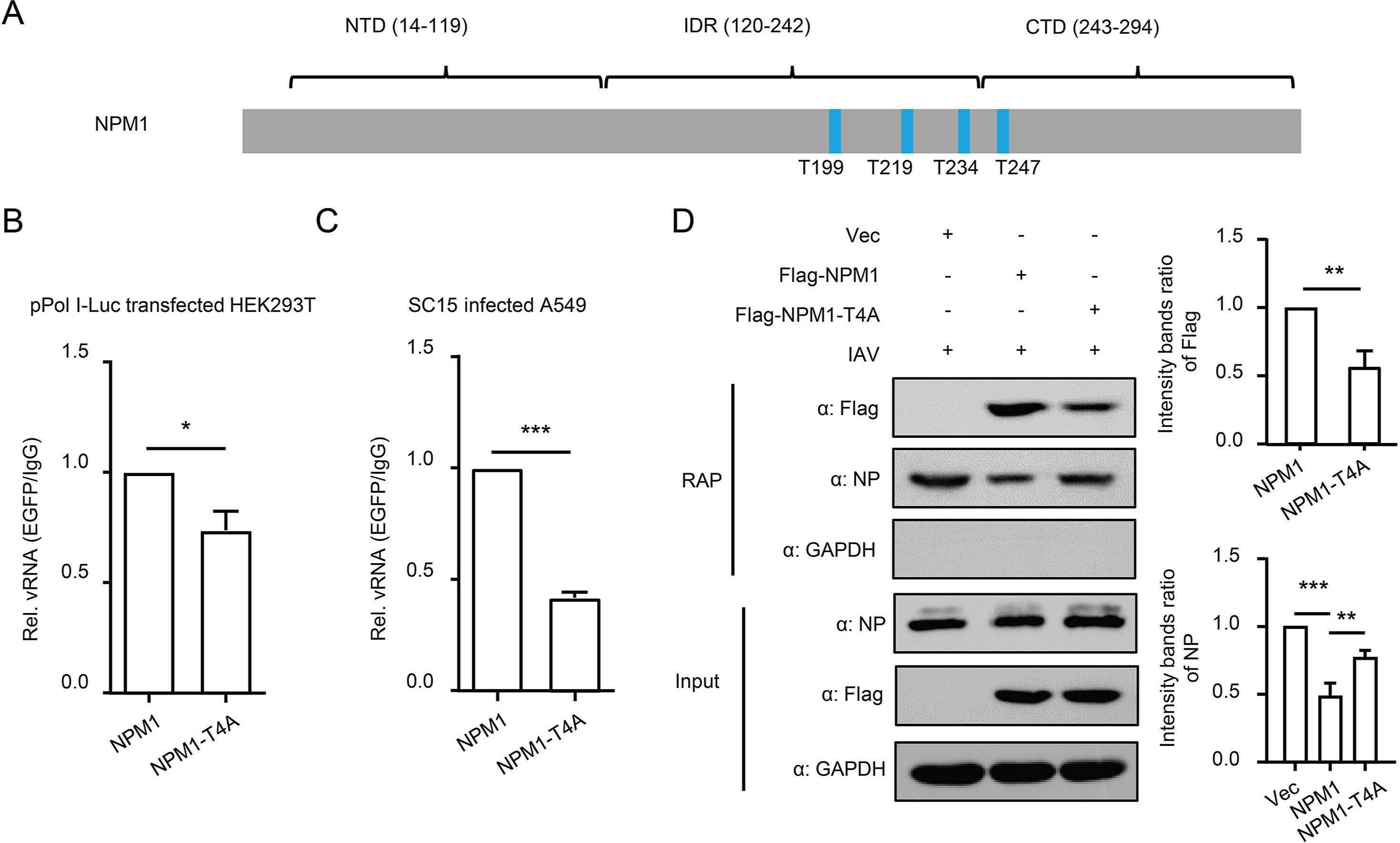
Influenza A viruses (IAVs) are single-stranded negative-sense RNA viruses that continually challenge animal and human health. In IAV-infected cells, host RNA-binding proteins play key roles in the life cycle of IAV by directly binding to viral RNA. Here, we examined the role of the host RNA-binding protein nucleophosmin-1 (NPM1) in IAV replication. We found that, as a nucleolar phosphoprotein, NPM1 directly binds to viral RNA (vRNA) and inhibits the replication of various subtypes of IAV. NPM1 binding to vRNA competitively reduces the assembly of the viral ribonucleoprotein complex and the viral polymerase activity, thereby reducing the generation of progeny viral RNA and virions. The RNA-binding activity of NPM1, with the key residues T199, T219, T234, and T237, is essential for its anti-influenza function. Taken together, our findings demonstrate that NPM1 acts as an RNA-binding protein and interacts with IAV vRNA to suppress viral replication.
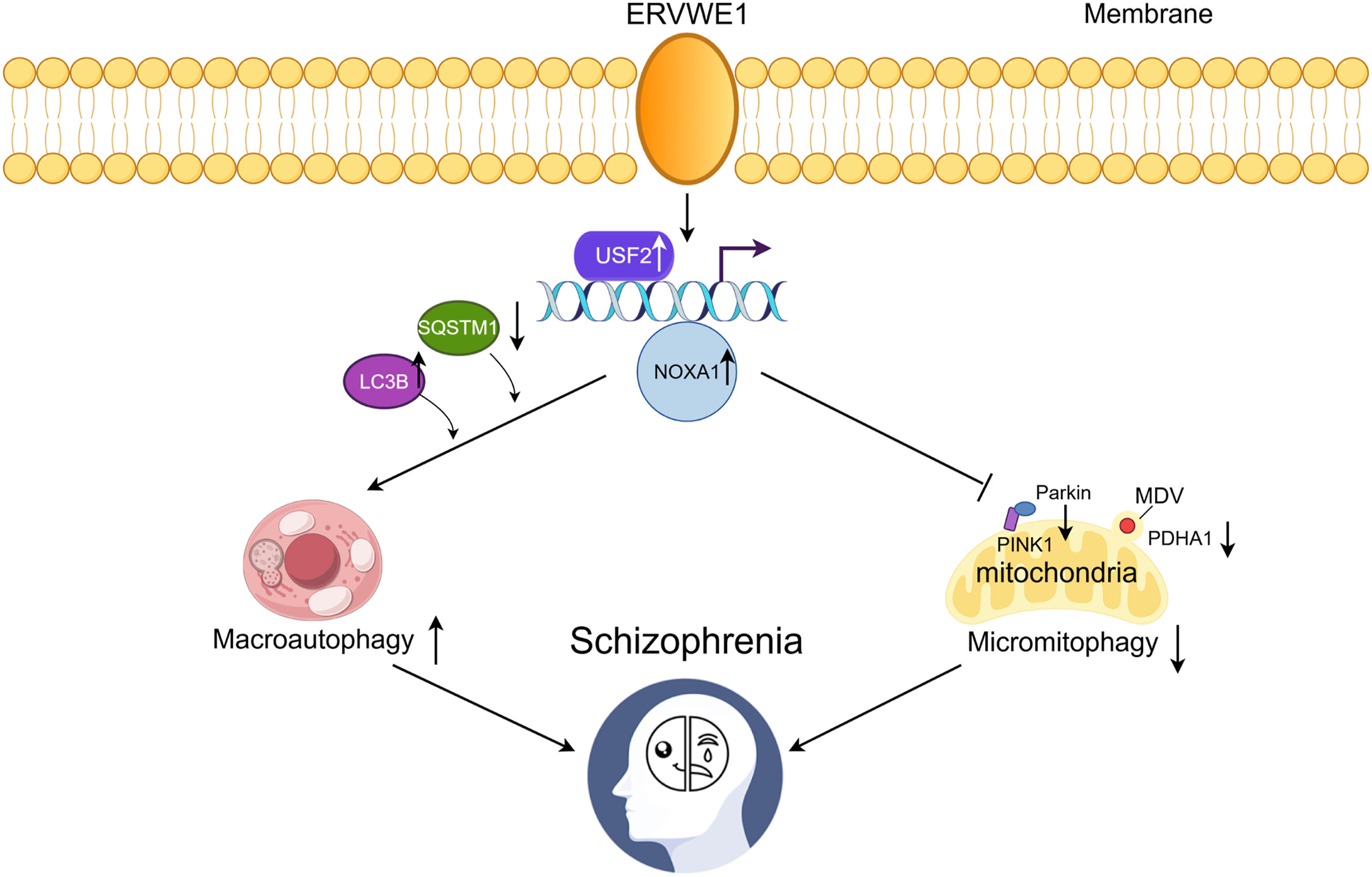
The human endogenous retrovirus type W envelope glycoprotein (ERVWE1), located at chromosome 7q21-22, has been implicated in the pathophysiology of schizophrenia. Our previous studies have shown elevated ERVWE1 expression in schizophrenia patients. Growing evidence suggests that autophagy dysfunction contributes to schizophrenia, yet the relationship between ERVWE1 and autophagy remains unclear. In this study, bioinformatics analysis of the human prefrontal cortex RNA microarray dataset (GSE53987) revealed that differentially expressed genes were predominantly enriched in autophagy-related pathways. Clinical data further demonstrated that serum levels of microtubule-associated protein 1 light chain 3β (LC3B), a key marker of macroautophagy, were significantly elevated in schizophrenia patients compared to controls, and positively correlated with ERVWE1 expression. Cellular and molecular experiments suggested that ERVWE1 promoted macroautophagy by increasing the LC3B II/I ratio, enhancing autophagosome formation, and reducing sequestosome 1 (SQSTM1) expression via upregulation of NADPH oxidase activator 1 (NOXA1). Concurrently, NOXA1 downregulated the expression of key micromitophagy-related genes, including PTEN-induced kinase 1 (PINK1), Parkin RBR E3 ubiquitin-protein ligase (Parkin), and the pyruvate dehydrogenase E1 subunit α 1 (PDHA1). As a result, ERVWE1, via NOXA1, inhibited micromitophagy by suppressing the expression of PINK1, Parkin, and PDHA1, thereby leading to impaired production of mitochondrial-derived vesicles (MDVs). Mechanistically, ERVWE1 enhanced NOXA1 transcription by upregulating upstream transcription factor 2 (USF2). In conclusion, ERVWE1 promotes macroautophagy and inhibits micromitophagy through USF2-NOXA1 axis, providing novel mechanistic insight into the role autophagy dysregulation in schizophrenia. These findings suggest that targeting autophagy pathways may offer novel therapeutic strategies for schizophrenia treatment.
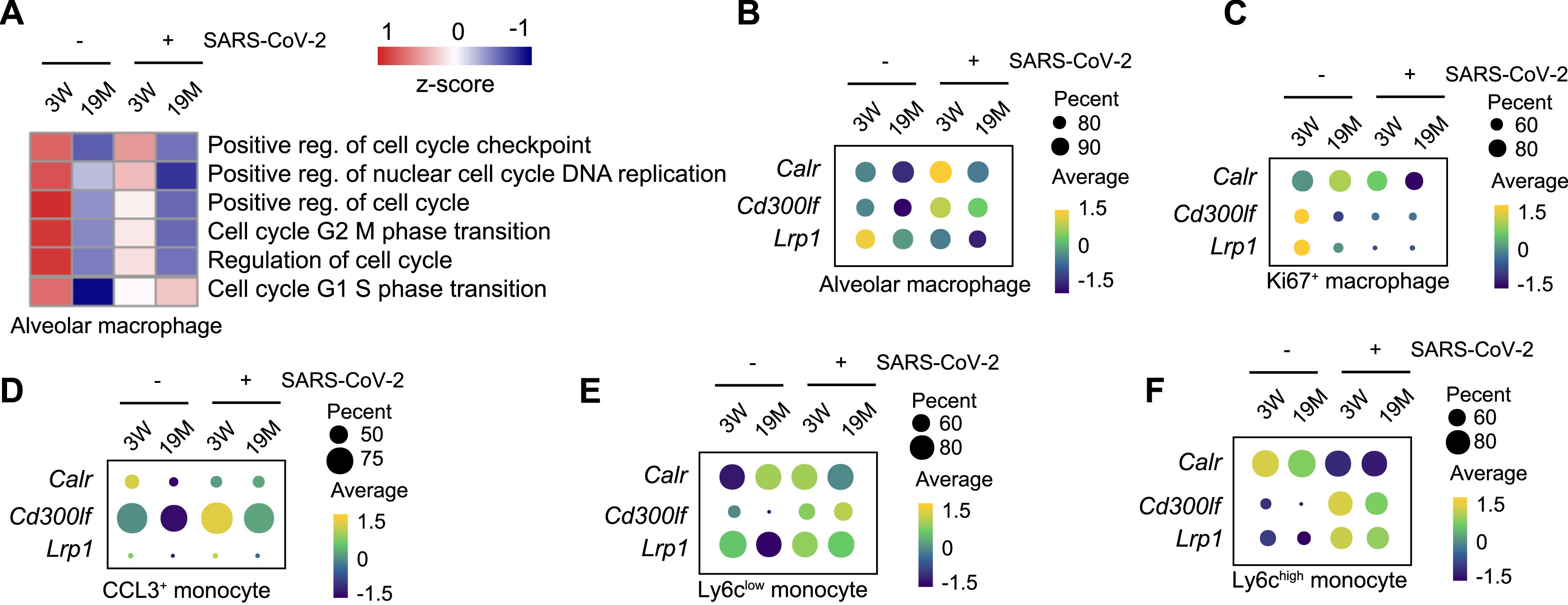
Aging is one of the greatest risk factors for morbidity caused by the coronavirus disease 2019 (COVID-19). In older individuals, a dysregulated immune response to severe acute respiratory syndrome coronavirus 2 (SARS-CoV-2) infection contributes to disease severity; however, the underlying mechanism remains elusive. In this study, we established an aging mouse model of COVID-19, successfully replicating the development of a relatively severe disease in older adults. Further single-cell transcriptome analysis revealed a distinct immune cell landscape in the infected lungs, accompanied by an over-activated inflammatory response, especially in aging mice. Compared to young mice, aging mice showed extensive neutrophil activation, NETosis, and a dramatic decrease in the number of alveolar macrophages (AMs). Moreover, as important executors of efferocytosis, AMs exhibited a low efferocytotic gene signature and downregulation of multiple efferocytosis receptors in aged mice. Further analysis indicated that the efferocytosis of neutrophils, whether undergoing apoptosis or NETosis, was compromised after SARS-CoV-2 infection. Since efferocytosis is a key process in inflammatory resolution, impaired efferocytosis may contribute to hyperinflammation in aging lungs. Our study reveals the characteristics and role of efferocytosis in aging mice after SARS-CoV-2 infection and provides valuable insights for the potential treatment of COVID-19.
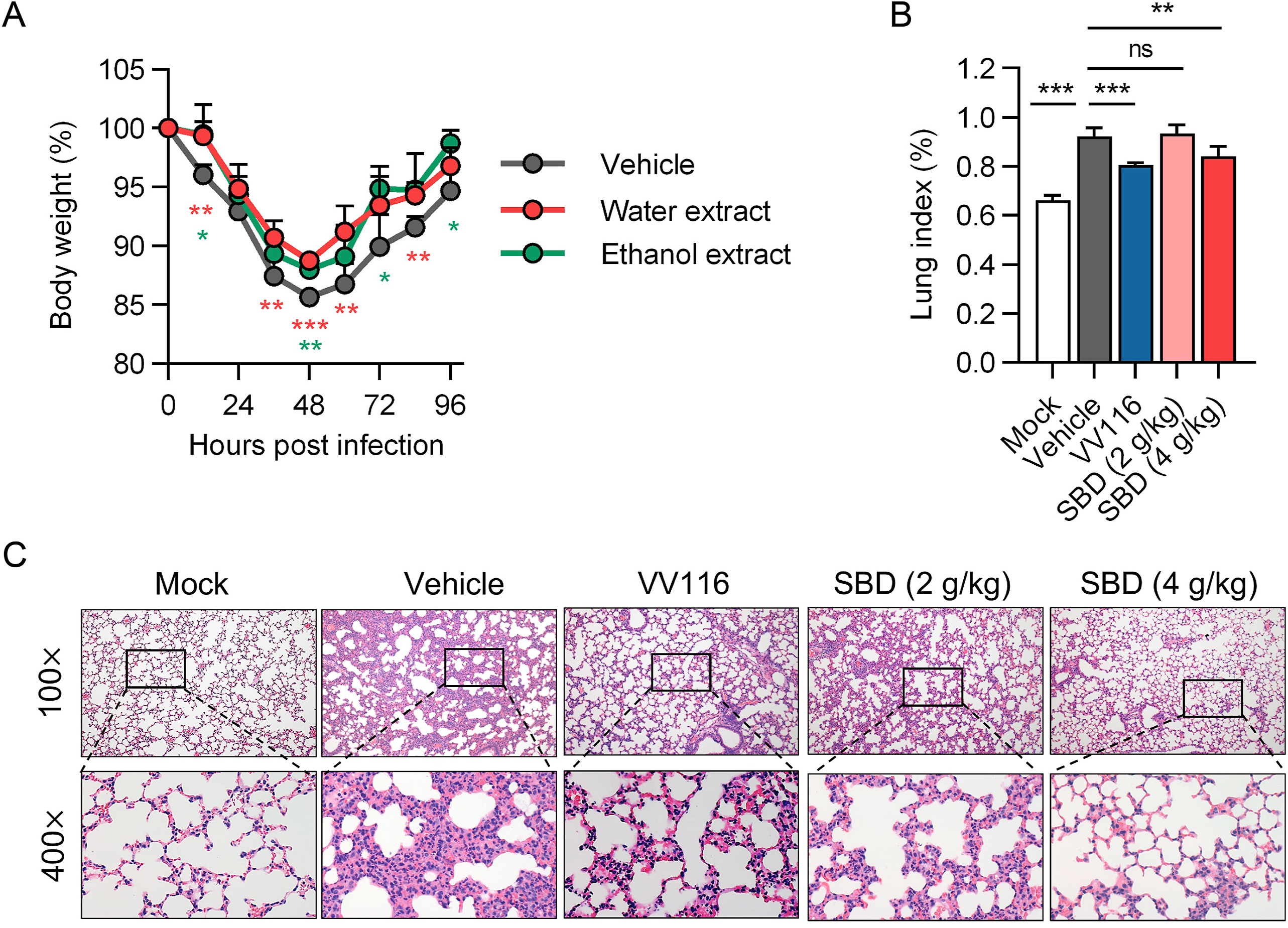
The emergence of SARS-CoV-2 variants and drug-resistant mutants emphasizes the urgent need to develop novel antiviral agents. In the present study, we examined the therapeutic effect of the Chinese medicinal herb, Scutellaria barbata D. Don (SBD), against SARS-CoV-2 infection both in vitro and in vivo. Using a viral replicon particle (VRP)-based mouse model of SARS-CoV-2 infection, our study revealed that SBD extracts can reduce viral load in mouse lungs and alleviate the viral induced pneumonia. In vitro antiviral determination further validated the direct acting antiviral efficacy of SBD extracts against SARS-CoV-2 replication. Mechanistic studies demonstrated that SBD can act against SARS-CoV-2 replication by targeting both 3-chymotrypsin-like and papain-like cysteine proteases, via a combination of multiple active constituents. Moreover, SBD can modulate the host inflammation response in a bi-directional manner, which also contribute to the mitigation of viral induced acute lung injury. In summary, our study provides SBD as a promising therapeutic agent to combat SARS-CoV-2 infections that merit further development.
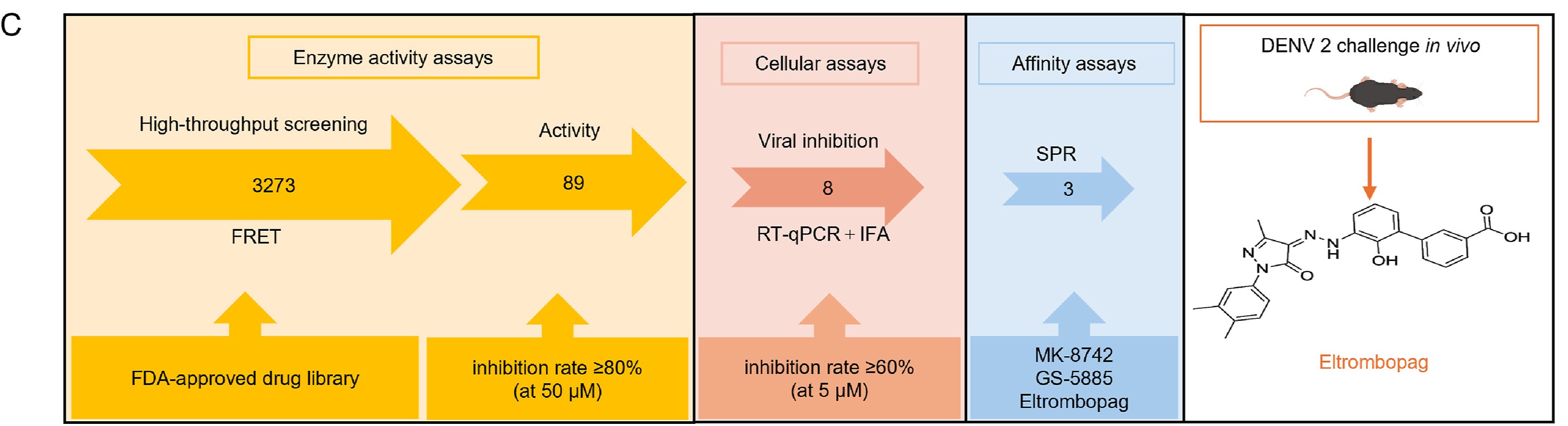
Dengue viruses (DENV) have spread throughout the world and pose a huge threat to human life. The most widespread serotype is type 2 DENV (DENV 2), which has no specific treatment. NS2B-NS3 protease plays a pivotal role in DENV replication because of its function in cleavage of the viral polyprotein; thus, it is considered a promising target for antiviral discovery. In this study, we developed a high-throughput screening system based on the NS2B-NS3 protease to identify candidates from an FDA-approved drug library. Eltrombopag was screened out of 3273 drugs, and demonstrated inhibition on DENV 2 at the micromolar level in vitro, significantly reducing viral loads in the targeted organs of challenged mice following intraperitoneal injection. Further mechanistic analysis showed that eltrombopag allosterically binds to the DENV 2 NS2B-NS3 protease in a reversible, non-competitive manner, therefore inhibiting DENV 2 at the post-infection stage. In addition, eltrombopag inhibited the NS2B-NS3 proteases of DENV 4 and Zika virus, suggesting its potential as a broad-spectrum antiviral agent. This study repurposed eltrombopag as a promising antiviral agent against DENV, providing an alternative for antiviral development against flaviviruses.
Enterovirus A71 (EV-A71) is the major causative pathogen for severe hand-foot-mouth disease (HFMD), a predominantly childhood-associated communicable disease. The mechanisms that children manifest severe disease progression while adults typically exhibit milder or asymptomatic infections remain incompletely characterized, which hinders the development of effective therapy against this disease. Herein, using the newborn mouse model of EV-A71 infection, we uncovered that the underdevelopment of T cells closely associated with the severity of EV-A71 infection, and EV-A71 infection dramatically impaired T-cell immune response. Moreover, the dysfunction of T-cell immunity contributes to the pathogenesis of EV-A71 infection, as the loss of T cells made neonatal mice highly vulnerable to EV-A71 infection. To further assess the relationship between T-cell immunity and HFMD, we enrolled a cohort of 145 pediatric patients with laboratory-confirmed EV-A71 infection and found that the compromised T-cell immune response is associated with the severity of EV-A71-caused HFMD in these children. Furthermore, we found that the treatment of newborn mice with Astragaloside A, a saponin from the medicinal herb Astragalus membranaceus, showed potent in vivo therapeutic efficacy against EV-A71 infection in a T-cell-dependent manner. In conclusion, these findings uncover the interaction between EV-A71 infection and T-cell immunity, provide novel insights onto the physiological impacts of T cells on the pathogenesis of EV-A71 infection and HFMD, and find a promising immunotherapeutic strategy to treat this viral disease.
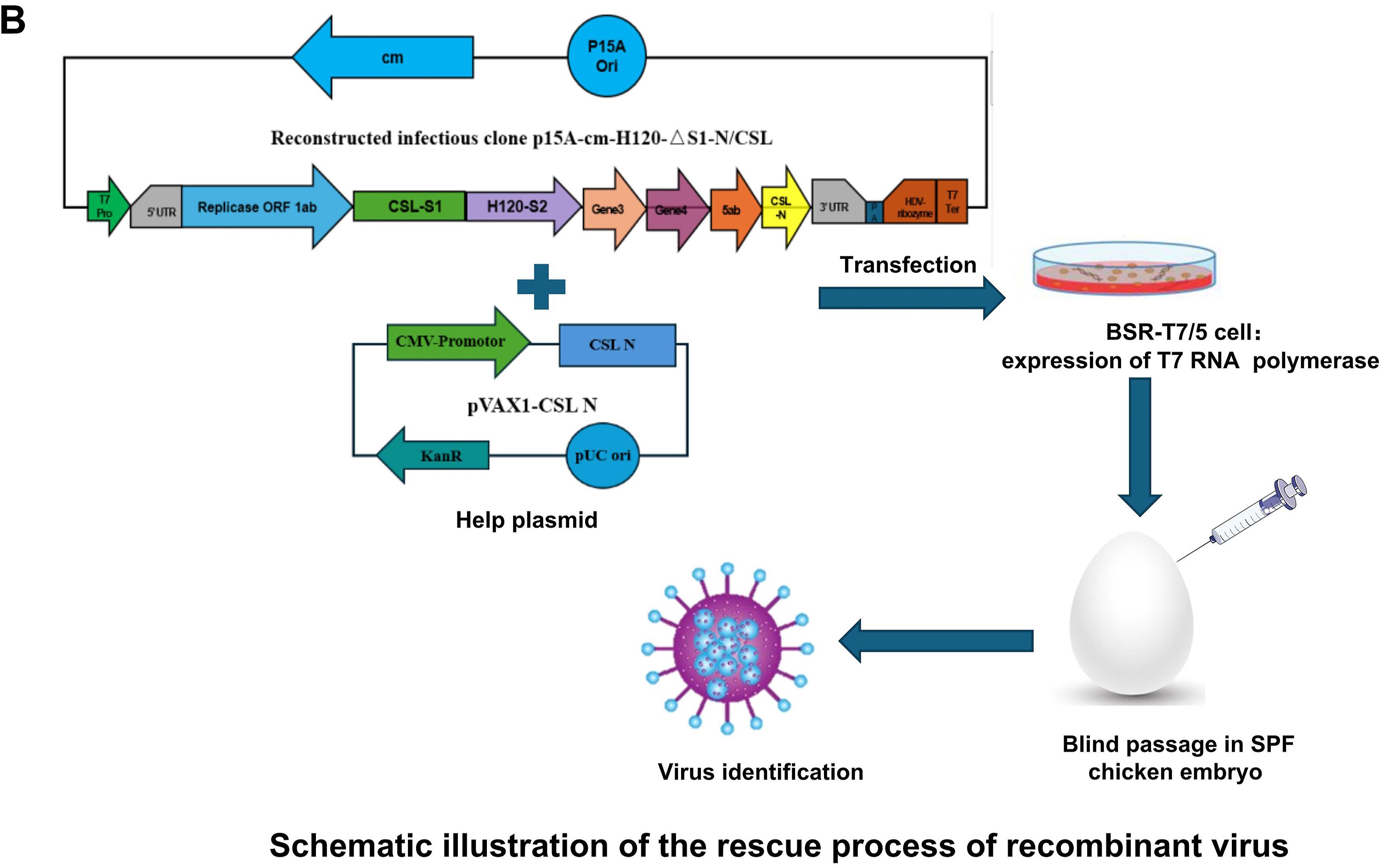
Infectious bronchitis (IB), a highly contagious acute respiratory disease affecting avian species, poses significant challenges to poultry production. The causative agent, infectious bronchitis virus (IBV), exhibits a high mutation rate, leading to limited cross-protection by existing vaccines. This necessitates the development of novel vaccines. This study, based on preliminary investigations conducted by our research team, identified six potential strains (PYG QX1, ZQF QX2, FQH QX3, LYZ QX4, XXX QX5, and CSL strains) for vaccine development. Previous pathogenicity test and serum cross-neutralization experiments conducted in this study have demonstrated that the FQH QX3 strain exhibited the weakest pathogenicity and the broadest spectrum of serum neutralization, while the CSL strain showed the highest pathogenicity and was the most challenging to neutralize, posing the greatest difficulty in prevention and control. Subsequently, we constructed and rescued recombinant vaccine candidates, H120-FQH QX3, and H120-CSL, expressing the S1 and N proteins of the FQH QX3 and CSL strains, respectively. Immunization protection experiments indicated that the H120-CSL recombinant vaccine candidate exhibited the most effective immune protection, making it a promising candidate for further study and evaluation as a recombinant vaccine. The S1 and N genes of the CSL strain demonstrated strong immunogenicity, making them potential candidate antigen genes for future vaccine development.
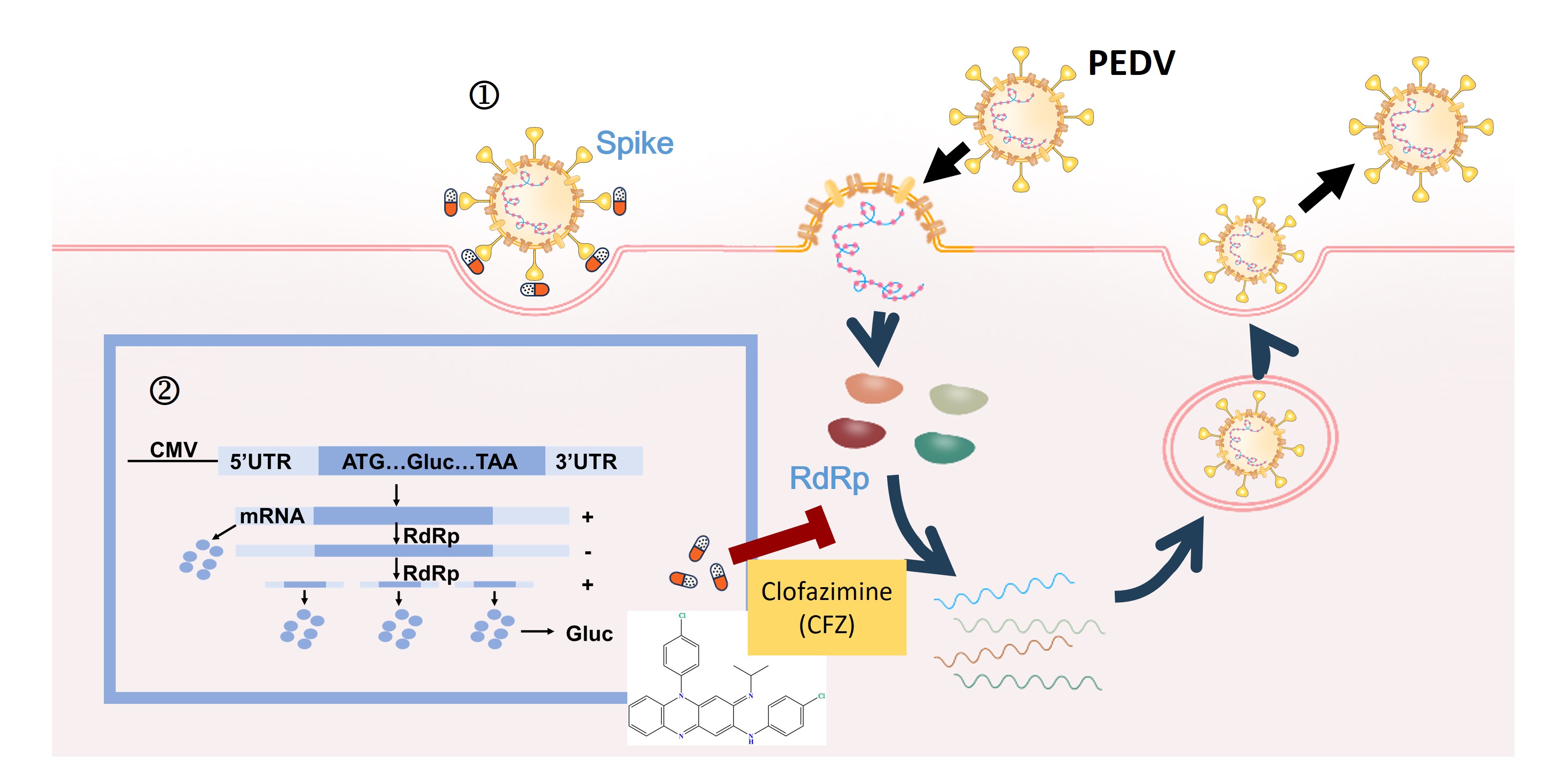
Porcine epidemic diarrhea virus (PEDV) infection causes acute watery diarrhea in neonatal piglets, leading to substantial economic losses within the pig farming industry. This study demonstrates that clofazimine (CFZ) significantly inhibits PEDV replication in a dose-dependent manner in vitro, with negligible cytotoxicity. Findings from our time-of-addition assays indicate that CFZ effectively disrupts multiple stages of the viral infection cycle. Using a CoV-RdRp-Gluc reporter system, we evaluated the potency of CFZ against PEDV RNA-dependent RNA polymerase (RdRp), and determined a low IC50 value of 0.1364 μM. Molecular docking studies further confirmed that CFZ has high binding affinity at the active sites of the spike protein and RdRp protein in PEDV. Transcriptome analysis of Vero E6 cells, with and without CFZ treatment, revealed a significant change in transcriptional activity at 8 h post-infection (hpi). Moreover, the simultaneous application of CFZ and nucleoside analogs showed enhanced the anti-PEDV effect of CFZ in vitro. Our study underscores the potential of CFZ as a viable therapeutic agent against PEDV.
Highlights 1. A new strain of Lassa virus (LASV) was successfully isolated and characterized. 2. The combination of ribavirin and LHF-535 has been demonstrated to exhibit synergistic effects in inhibiting LASV. 3. The findings provide new directions for the development of antiviral drugs and vaccines for Lassa fever.
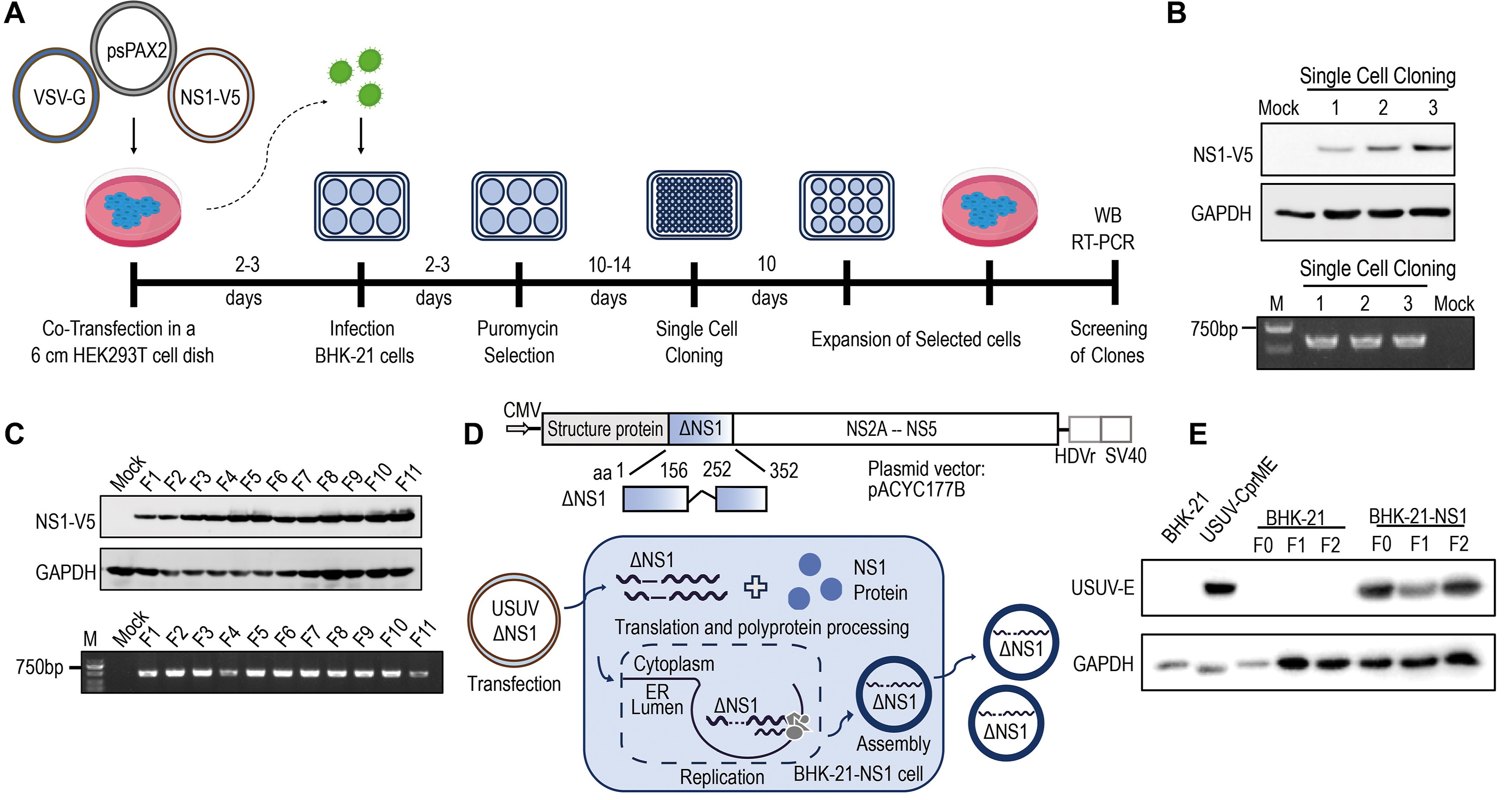
Highlights 1. A trans-complementation system for Usutu virus (USUV) recapitulates authentic viral replication. 2. High yield of TMN-ΔNS1 virus was obtained with no recombination into replication competent viruses. 3. TMN-ΔNS1 can be trans-complemented by heterologous orthoflavivirus NS1.
Highlights 1. A mouse model for CCHFV-induced coagulopathy was developed and characterized using STAT1 knockout mice. 2. High doses of CCHFV resulted in delayed tail bleeding time, shortened PT and APTT, and prolonged ELT. 3. Histopathology showed thrombus formation in the liver and the spleen as well as intestinal hemorrhages.
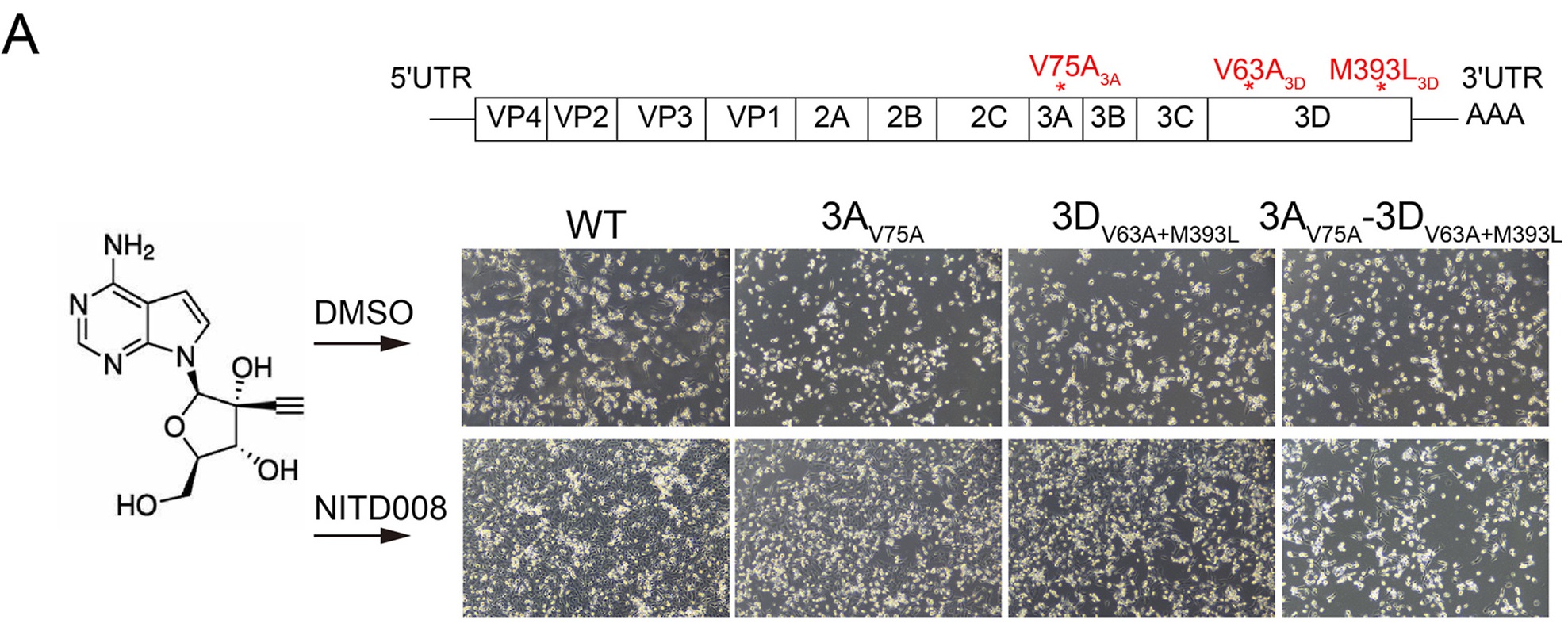
Highlights 1. The mutation spectra between WT population and NITD008-resistant populations during replication are compared. 2. The 2C protein may be a new target of NITD008 as a nucleotide analogue against EV71 infection. 3. Antiviral effect of NITD008 against EV71 is associated with increased frequency of U-to-A and U-to-C mutations.