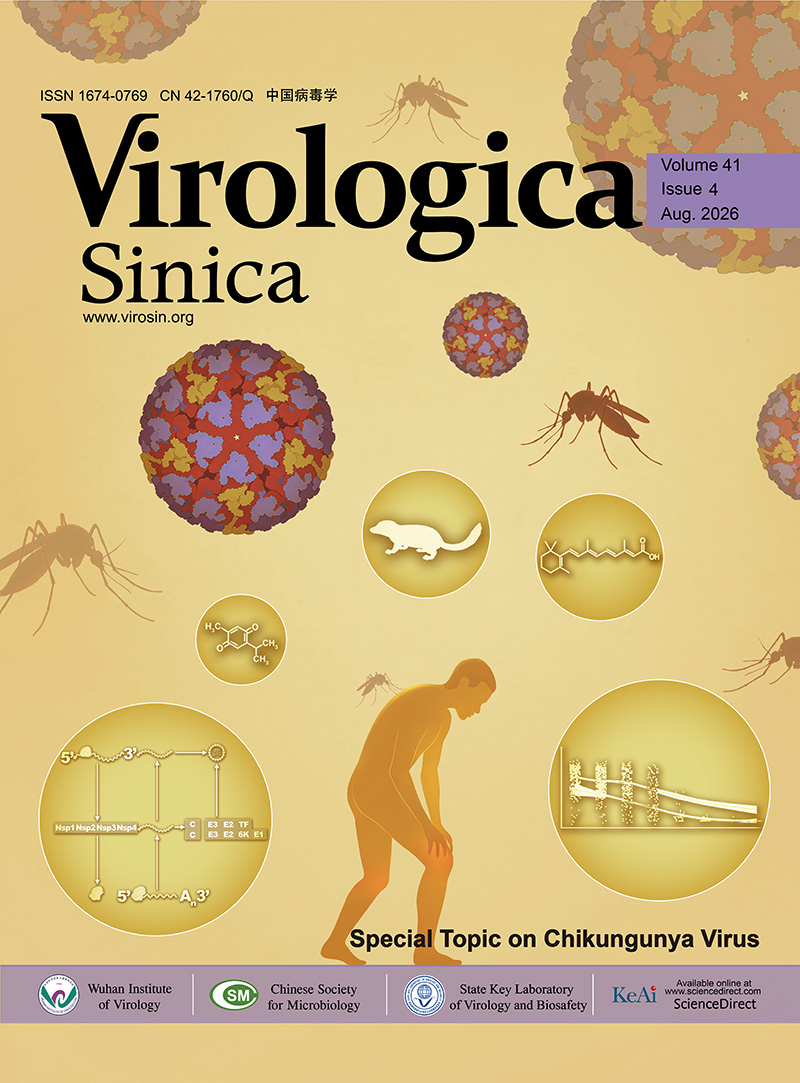
Chikungunya virus (CHIKV), a mosquito-borne alphavirus in the Togaviridae family, causes acute fever, rash, myalgia, and severe polyarthralgia, and many patients develop long-lasting or recurrent musculoskeletal symptoms post-acute infection. Over the past two decades, CHIKV has re-emerged globally with recurrent outbreaks across Africa, Asia, the Indian Ocean region, Europe, and the Americas, posing a substantial threat to public health. Yet no specific anti-CHIKV agents have been clinical approved or in advanced clinical trials. This issue of Virologica Sinica features the latest research on CHIKV, including a comprehensive review of current anti-CHIKV drug discovery and future directions, Tupaia belangeri and mouse models, development of biosafe toolkits for compound screening and mechanistic studies, retinoic acid as an anti-CHIKV candidate, and a longitudinal clinical investigation of viral loads in blood specimens during an ECSA-MAL-lineage outbreak. The cover illustrates CHIKV virions, alongside the animal models, antiviral agents, research tools, and viral kinetics presented in this issue.
Chunjiao Liu, Shixiang Pan, Mingxue Gao, Yumin Zhang, Leike Zhang, Bin Lin and Xiangrui Jiang. Recent progress in anti-Chikungunya virus drug discovery: Focus on the viral life cycle and direct-acting antivirals[J]. Virologica Sinica, 2026, 41(4): 735-752. doi: 10.1016/j.virs.2026.07.001.
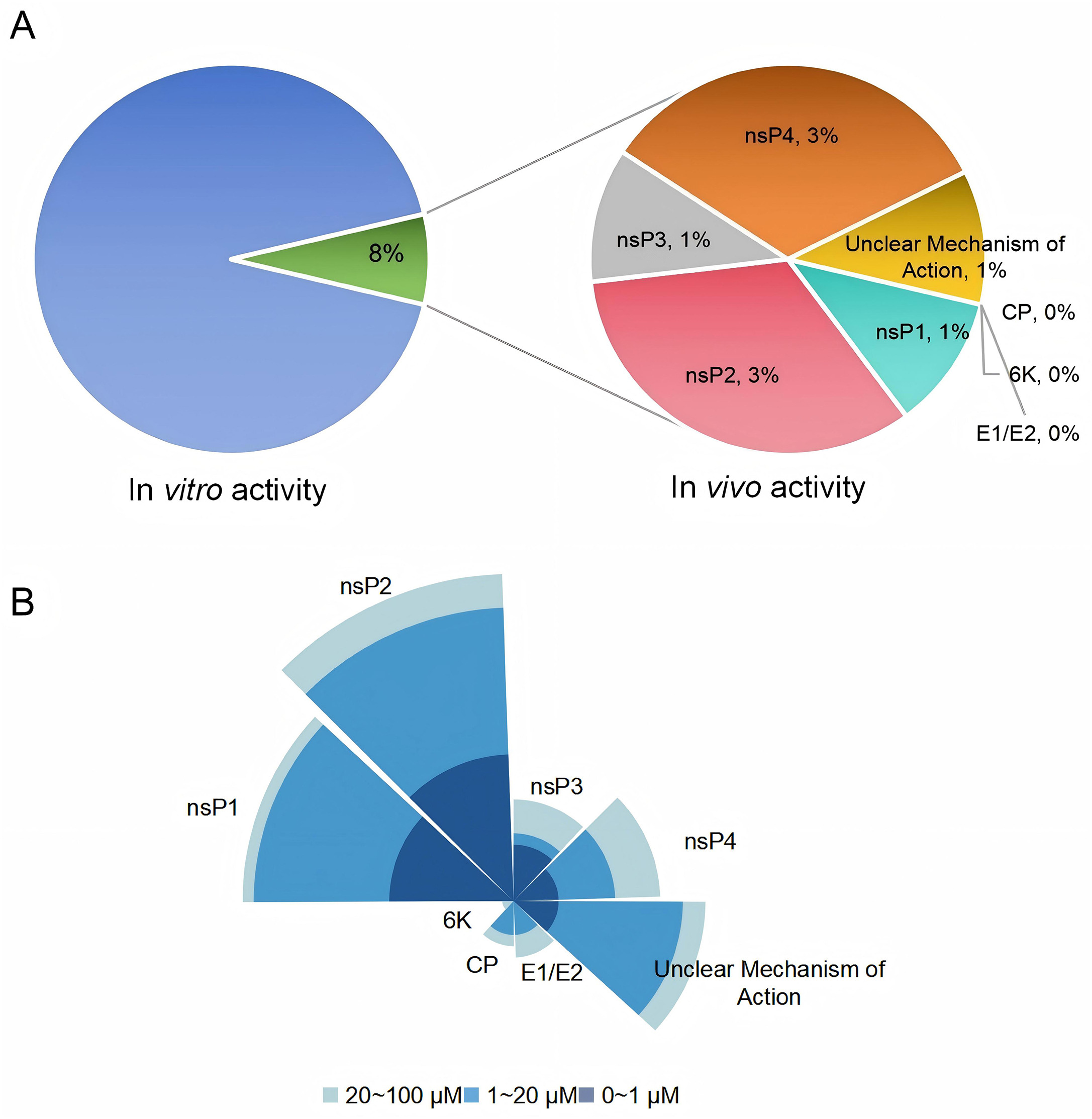
Chikungunya virus (CHIKV) belongs to the genus Alphavirus of the family Togaviridae. CHIKV infection generally causes severe clinical symptoms, including debilitating arthralgia, fever, hemorrhage and cutaneous rashes. In recent years, the transmission range of CHIKV has continued to expand, resulting in recurrent local outbreaks in densely populated and economically developed regions and posing a severe threat to public health. Accordingly, safe and effective anti-CHIKV therapeutics are urgently needed for the clinical treatment of infected patients. Nevertheless, no specific anti-CHIKV drugs have been approved for clinical use or advanced into clinical trials, and relevant research and development remain confined to the preclinical stage. This review systematically illustrates the key steps of the CHIKV life cycle, core viral components and vital functional domains, and summarizes the current research progress of anti-CHIKV agents. It comprehensively outlines the discovery strategies, structural optimization directions and activity evaluation approaches of anti-CHIKV small-molecule compounds, and further investigates their action targets. Notably, nsP2 and nsP4 represent promising targets for broad-spectrum anti-CHIKV even anti-alphavirus drug development due to their structural conservation across alphavirus species and druggable features. This work provides a solid theoretical basis and valuable reference for the future research and development of novel anti-CHIKV drugs.
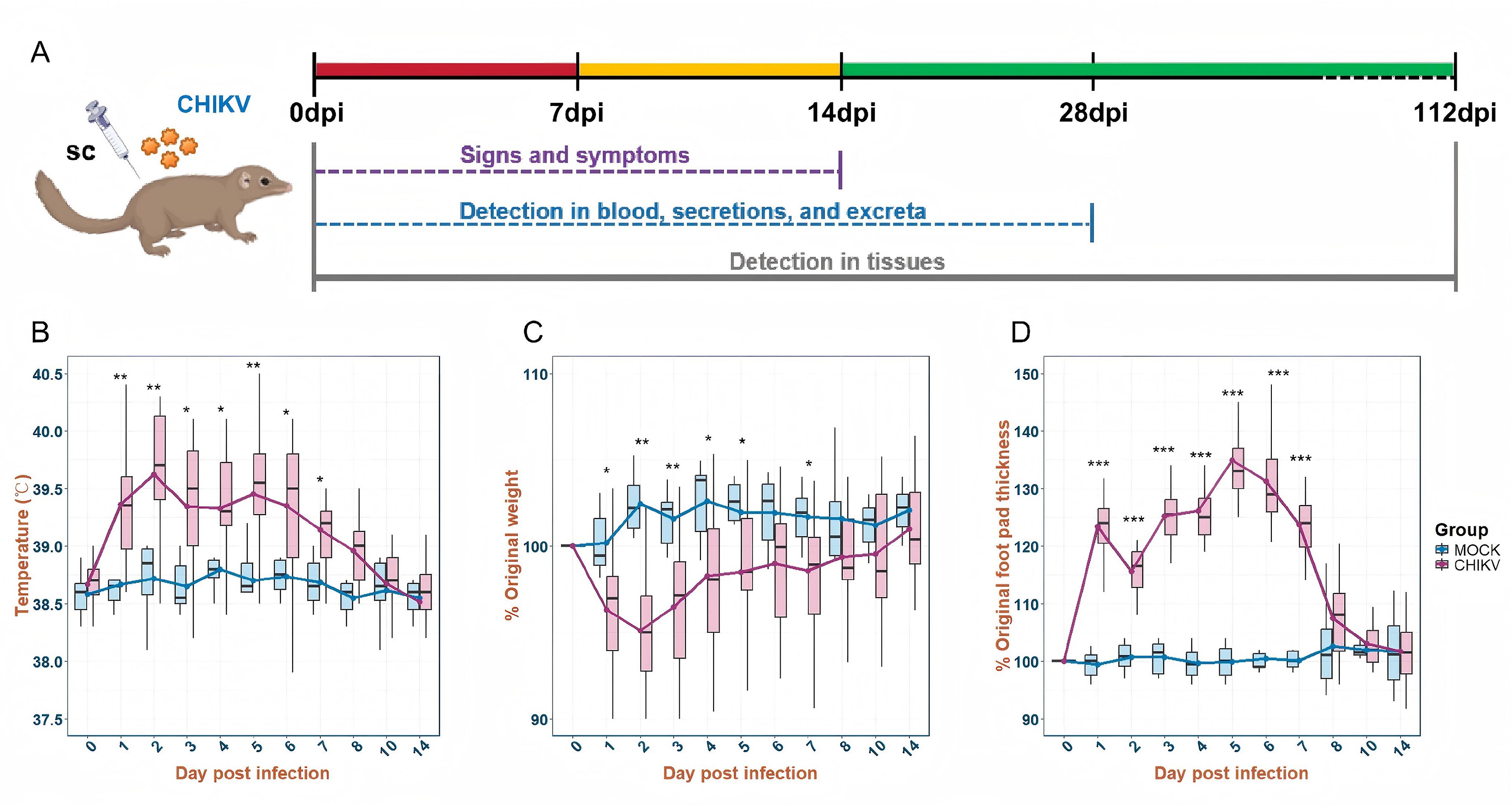
Chikungunya virus (CHIKV) infection in humans is typically characterized by acute febrile illness, rash, and polyarthralgia, and often progresses to chronic arthralgia. However, existing small-animal models fail to capture both the acute and chronic phases of the disease. In this study, we compared Chinese tree shrews (Tupaia belangeri) and C57BL/6 mice in terms of infection dynamics, viral characteristics, histopathological changes, and immune responses. Following dual-site inoculation (subcutaneous injection into the abdomen and footpad), Tupaia belangeri exhibited typical symptoms that more closely resembled those of humans, including pronounced fever, foot swelling, and skin lesions, and were accompanied by higher and more sustained viral loads in blood and multiple tissues. Histopathological examination revealed marked inflammation and tissue damage in muscle and joint tissues, consistent with pathological changes observed in humans. Transcriptomic analysis further demonstrated significant upregulation of multiple key immune-related genes (CXCL10, ISG15, IFIT3, SERPING1, MCEMP1, IFI6), indicating a human-like immune response profile. Collectively, our results show that Tupaia belangeri faithfully mirrors the infection features, viral dynamics, and immune responses of human CHIKV infection, establishing it as a valuable model for dissecting disease mechanisms and testing vaccines or antiviral therapies.
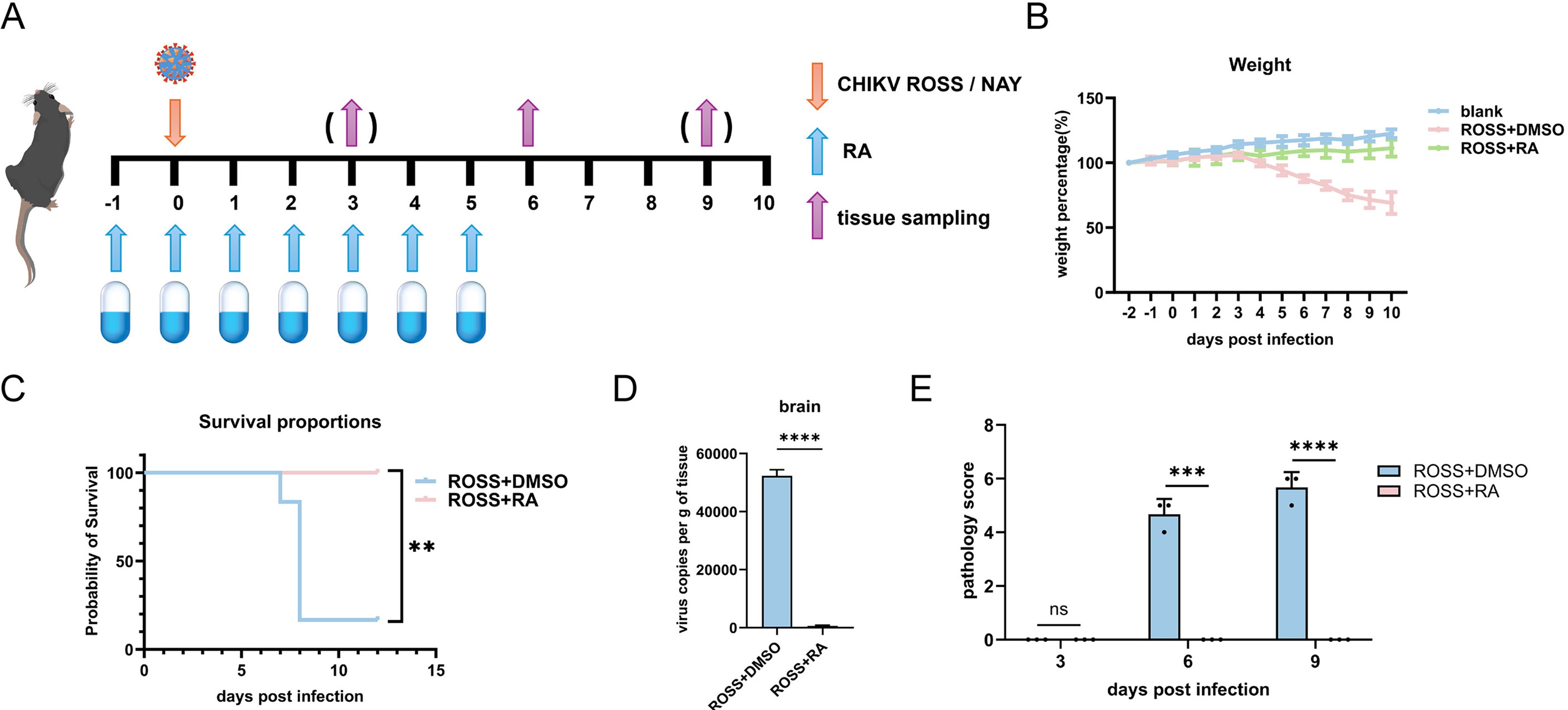
Chikungunya virus (CHIKV), a mosquito-borne alphavirus, causes debilitating febrile and arthritic disease and remains a persistent public health threat in tropical and subtropical regions, with no clinically approved antiviral drugs currently available, which underscores the urgent need for targeted and effective therapeutic interventions. Through high-throughput screening of an FDA-approved compound library, we identified retinoic acid (RA) as a broad-spectrum inhibitor of multiple arboviruses, exhibiting potent activity against CHIKV. Time-of-addition experiments, together with assays on viral binding, endocytosis, membrane fusion, replication and translation, were performed to determine the specific lifecycle stages inhibited by RA. Notably, RA exerts anti-CHIKV effects by selectively targeting eukaryotic translation initiation factor 4B (EIF4B), thereby disrupting the viral translation, as revealed by limited proteolysis-mass spectrometry (LiP-MS). And, our results demonstrated that RA administration exerted potent protective effects against CHIKV infection in vivo. Specifically, RA significantly reduced cerebral pathological damage, relieved clinical manifestations, and enhanced survival in a murine model of CHIKV-induced encephalitis, while also markedly attenuating footpad swelling and joint pathological alterations in a CHIKV-induced arthritis mouse model. Collectively, our findings highlight RA as a promising anti-CHIKV candidate targeting EIF4B, supporting its further development as a therapeutic agent against CHIKV infection.
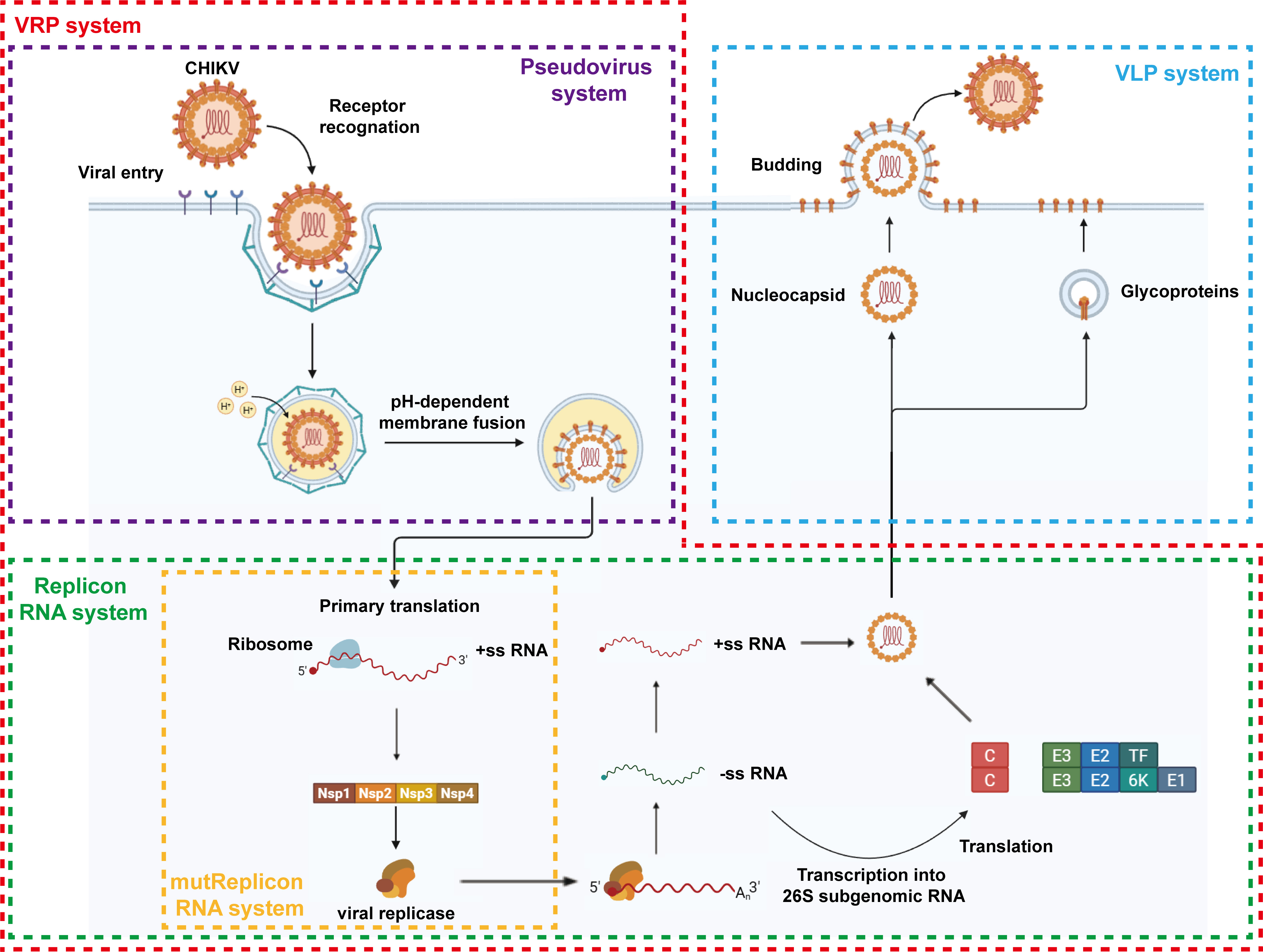
Chikungunya virus (CHIKV) is a re-emerging mosquito-borne alphavirus for which no specific antiviral therapy is currently available. During the large outbreak in Foshan, Guangdong Province, China, in July 2025, CHIKV rapidly spread to neighboring regions and caused more than 16,000 confirmed cases. In this study, the predominant outbreak strain of CHIKV was selected as the reference sequence to establish a panel of complementary biosafe tools for antiviral compound screening and mechanistic investigation. A virus replicon particle (VRP) system for CHIKV was first constructed and applied to compound library screening, resulting in the identification of three candidate antiviral compounds: MDL-12330A, bazedoxifene acetate, and anidulafungin. To further validate their antiviral activities and investigate their potential mechanisms, CHIKV functional evaluation systems were subsequently established, including vesicular stomatitis virus (VSV)- and murine leukemia virus (MLV)-based pseudovirus systems for viral entry, a replicon RNA system for post-entry replication-associated processes, a replication-defective nsP4 mutant replicon RNA system for primary translation, and a virus-like particle (VLP) system for viral particle assembly and budding assessment. Using these complementary systems, we systematically evaluated the antiviral profiles of the three candidate compounds across multiple stages of the CHIKV life cycle. This analysis revealed distinct stage-specific inhibitory patterns and provided insights into their potential antiviral mechanisms, which warrant validation using authentic CHIKV infection to assess their translational potential.
Yi Zhou, Qing Guo, Xingyue Zhao, Wei Zhang, Han Zhang, Shiyin Huang, Zihan He, Youhua Xie, Wen Zhang, Jinhua Gu, Shaokun Pan and Wang Li. Blood and gut virome remodeling in gastric cancer: Anellovirus expansion and novel virus discovery[J]. Virologica Sinica, 2026, 41(4): 791-805. doi: 10.1016/j.virs.2026.08.010.
Gastric cancer (GC) is a prevalent malignancy worldwide, yet effective early diagnostic tools remain lacking, and the role of the virome, a key component of the tumor microenvironment, in GC progression is largely unknown. This study aimed to characterize the virome landscapes in peripheral blood and feces of GC patients versus healthy controls, and to identify viral signatures associated with GC onset and metastasis. We performed viral metagenomic sequencing on pooled libraries from 100 GC patients (45 non-metastatic, 55 metastatic) and 50 healthy controls, followed by taxonomic annotation, diversity assessment, LEfSe differential abundance testing, and co-occurrence network analysis. In blood, the GC virome shifted from a bacteriophage-dominated profile in controls to one overwhelmingly dominated by Anelloviridae (> 80%), with significantly decreased alpha diversity. In contrast, the gut virome of GC patients showed increased alpha diversity and coexistence of diverse bacteriophages. LEfSe identified betatorquevirus in blood as a key discriminatory taxon for GC. Network analysis revealed negative correlations between Anelloviridae and multiple bacteriophage families, suggesting niche competition. We also discovered 67 provisional novel anellovirus species and one novel gemykibivirus in GC patient blood. Collectively, our findings indicate that GC is associated with compartment-specific virome remodeling in blood and gut, and that expansion of blood anelloviruses holds promise as a non-invasive biomarker. This study provides a foundational resource for understanding the virome's role in GC.
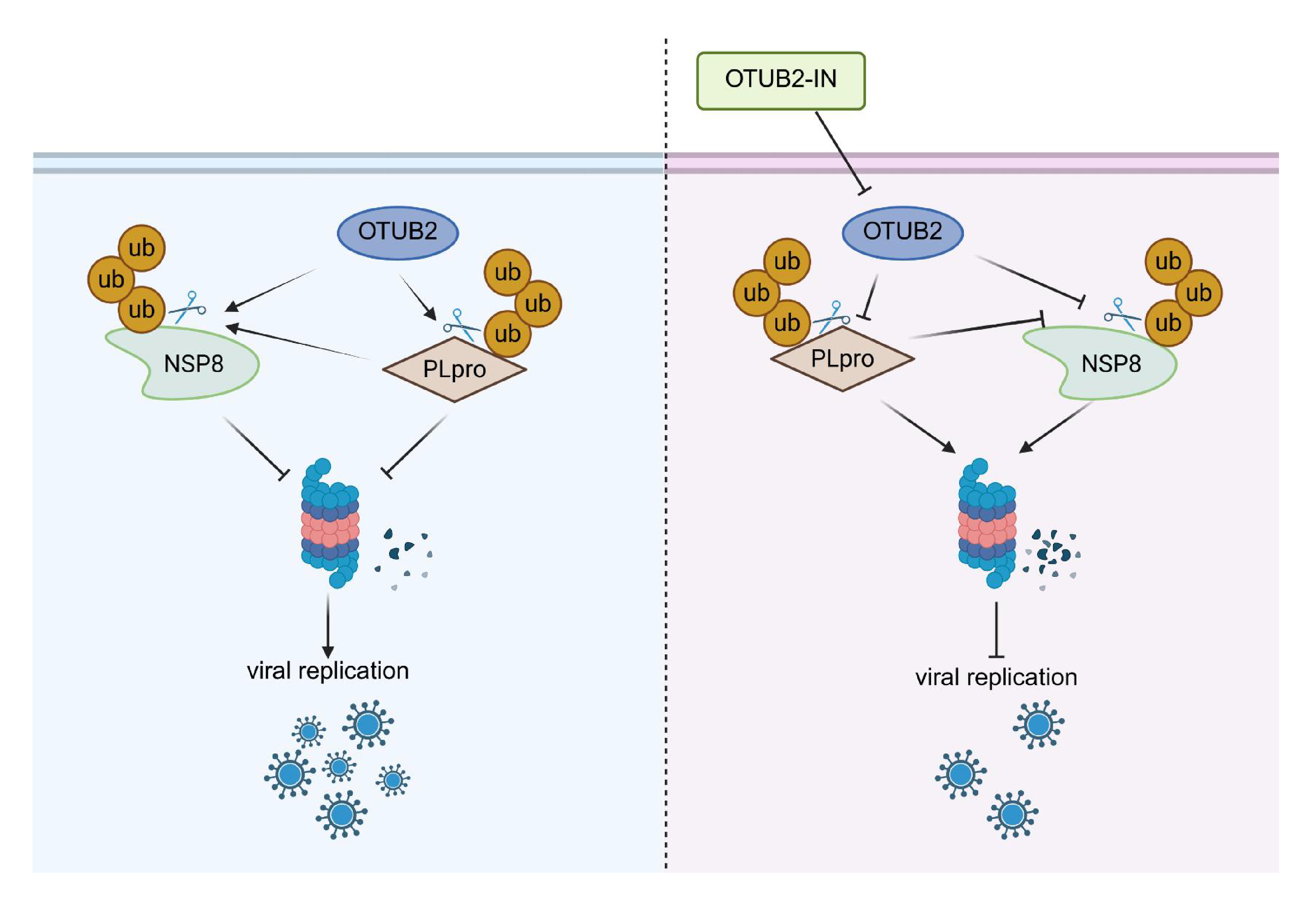
The ubiquitin-proteasome system (UPS) plays a central role in antiviral defense but is also frequently hijacked by viruses to facilitate their replication. Here, we demonstrate that the host deubiquitinase OTUB2 stabilizes the viral replication factor NSP8 of severe acute respiratory syndrome coronavirus 2 (SARS-CoV-2) through a dual-track mechanism. OTUB2 directly removes polyubiquitin chains from NSP8 to prevent its degradation. In parallel, OTUB2 stabilizes the viral papain-like protease (PLpro), which further promotes NSP8 stability through deubiquitination. Together, these effects preserve the functional integrity of the viral replication-transcription complex. Mechanistically, OTUB2-mediated stabilization of NSP8 potentiates NSP8-dependent suppression of type I interferon signaling, thereby promoting viral replication and immune evasion. Importantly, inhibition of OTUB2 disrupts OTUB2-mediated stabilization of NSP8 and PLpro, resulting in a marked reduction in viral replication and disease severity in cell culture systems and a hamster infection model. Collectively, our findings reveal a previously unrecognized mechanism by which SARS-CoV-2 utilizes the host deubiquitination system to stabilize its replication machinery and identify OTUB2 as a potential target for host-directed antiviral intervention.
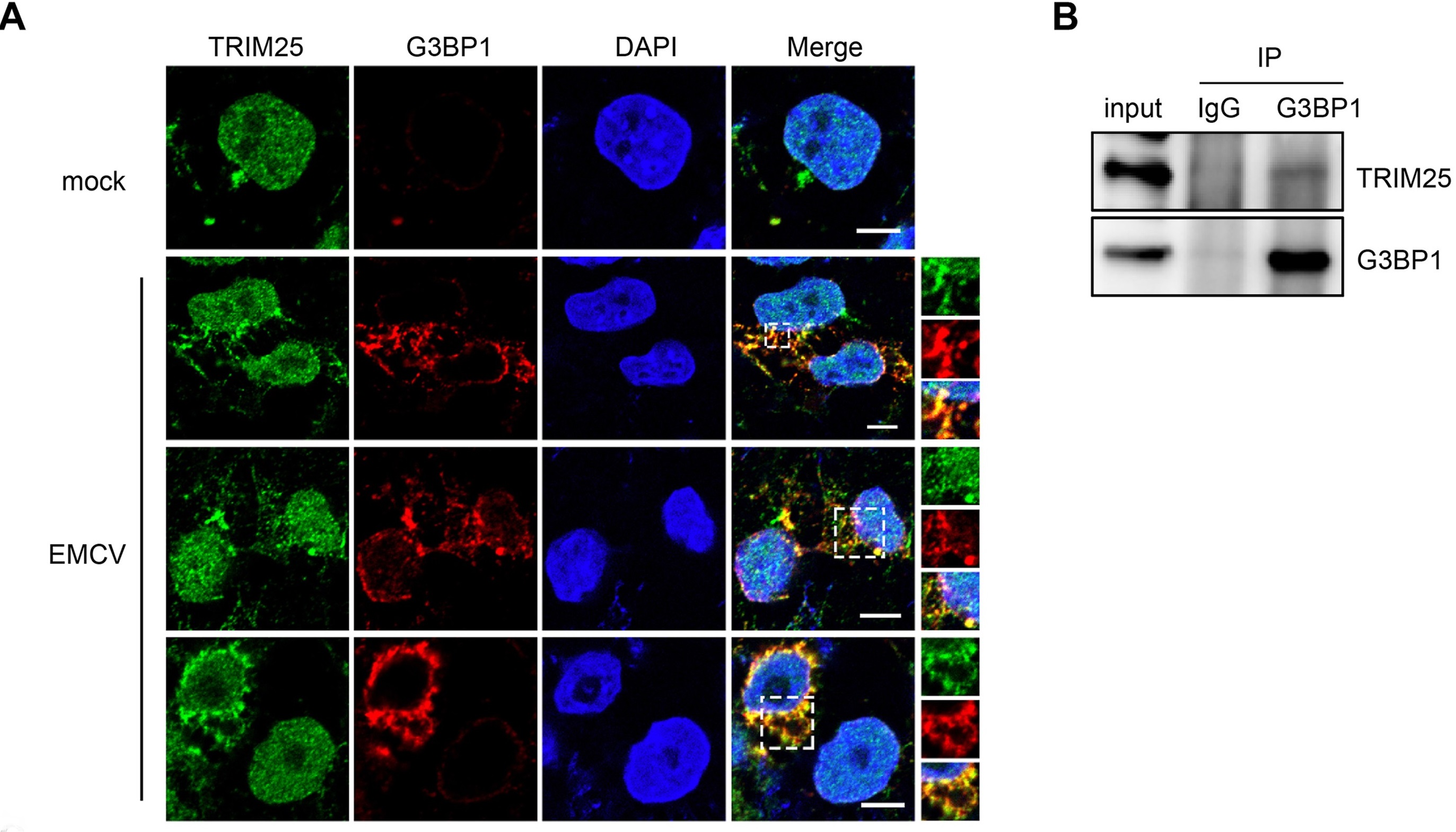
Mammalian embryonic stem cells (ESCs), despite lacking functional interferon (IFN) signaling, are remarkably resistant to viral infection. However, the mechanistic basis of their antiviral defenses remains incompletely characterized. In this study, we investigated the antiviral functional role and molecular mechanism of tripartite motif-containing protein 25 (TRIM25), a well-known key driver of IFN-dependent innate immunity, in IFN-deficient mouse ESCs (mESCs). TRIM25 exhibited a broad spectrum of antiviral activity in mESCs. RNAi depletion or CRISPR-mediated knockout of TRIM25 markedly enhanced the replication and propagation of both encephalomyocarditis virus (EMCV) and vesicular stomatitis virus (VSV). Mechanistically, the antiviral activity of TRIM25 in mESCs is independent of both IFN production and constitutive ISG expression. In virus-infected mESCs, TRIM25 translocated from the nucleus to the cytoplasm and directly bound viral RNA, where it formed cytoplasmic condensates with GTPase-activating protein-binding protein 1 (G3BP1) that colocalized with dsRNA foci. Genetic perturbation of G3BP1 similarly compromised the antiviral defenses of mESCs, revealing an essential synergism between TRIM25 and stress granule components in restricting viral replication. Our study identifies TRIM25 as a pivotal RNA-sensing effector in ESCs, delineating a previously unrecognized IFN-independent axis of intrinsic immunity that bridges viral RNA surveillance with stress granule-mediated suppression, thereby expanding the paradigm of pluripotent cell-autonomous antiviral strategies.
The Crimean-Congo hemorrhagic fever virus (CCHFV) poses a significant public health threat. In China, CCHFV has been circulating for decades, yet the genomic diversity and pathogenic potential of the circulating strains remain poorly characterized, hindering risk assessment and countermeasure development. In this study, we recovered 24 historical CCHFV strains isolated between 1966 and 2004 from humans, ticks and jerboas in Xinjiang Uyghur Autonomous Region of China. Whole-genome sequencing was performed, followed by comprehensive analyses of their phylogenetic relationships, in vitro infectivity and in vivo pathogenicity. Phylogenetic analyses revealed high genetic heterogeneity, identifying seven genotypes for the L segment, nine for the M segment (including a novel Asia 4 genotype), and nine for the S segment. Amino acid mutation analysis revealed that the mucin-like domain (MLD) of the glycoprotein (GP) exhibited the highest mutation rate, contributing substantially to sequence diversity. In vitro, Asia 2 (75024) and Asia 3 (79121M18) strains exhibited robust replication in monkey-, hamster-, and human-derived cell lines. In C57BL/6 mice, all four representative strains induced viral replication and specific antibody responses (IgM and IgG), causing mild to moderate pathological damage in the liver, spleen, and kidneys. In IFNAR-/- mice, virulence varied markedly among representative strains: Asia 2 and Asia 3 strains were highly lethal (LD50 < 1 TCID50), Asia 1 was moderately virulent (LD50 = 142.5 TCID50), and Asia 4 exhibited atypical, non-dose-dependent mortality. Collectively, our work reports a novel Asia 4 genotype and suggests strain- and lineage-associated differences in virulence for CCHFV in China, providing critical insights for surveillance and targeted countermeasure development.
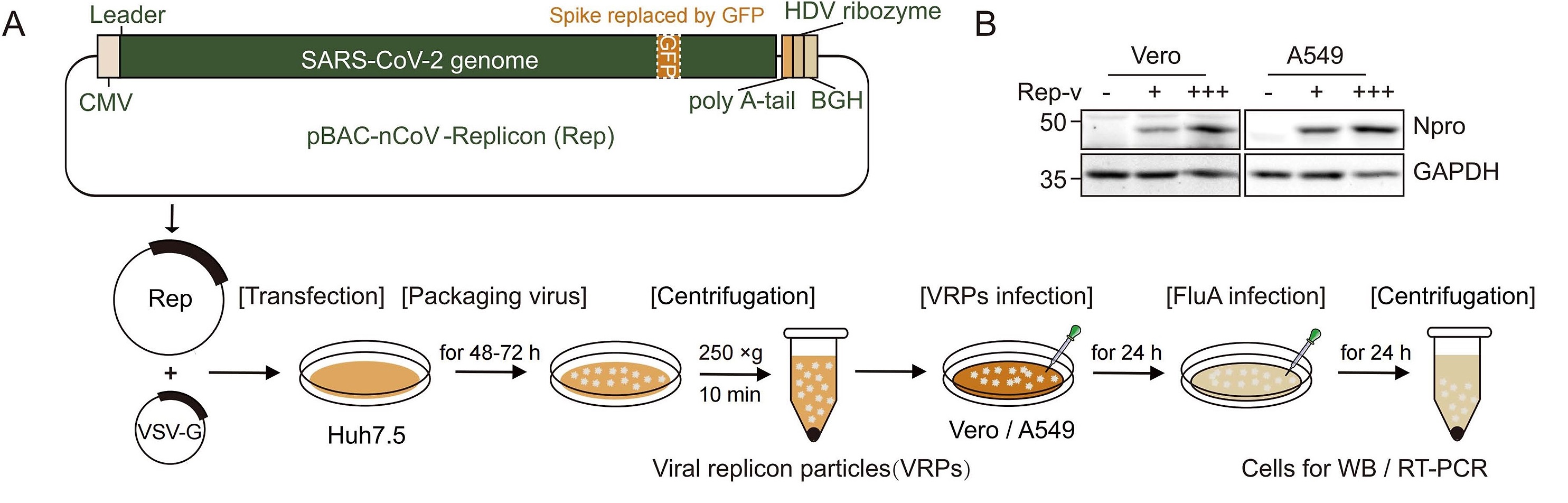
The co-circulation of multiple viruses can lead to distinct pathological outcomes, yet how severe acute respiratory syndrome coronavirus 2 (SARS-CoV-2) infection influences other viral infections remains poorly understood, despite its documented high frequency during the pandemic. In this study, we investigated how the proteolytic activity of SARS-CoV-2 3C-like protease (3CLpro) influences the replication of influenza A virus. In silico analysis identified candidate 3CLpro cleavage sites across numerous viral proteins, and biochemical assays confirmed that 3CLpro catalyzes the degradation of influenza virus nucleoprotein (NP) and polymerase acidic protein (PA) in a manner requiring its protease activity. This degradation of NP and PA, which are essential for viral genome packaging and transcription, disrupted the influenza replicative cycle and suppressed viral replication, both upon ectopic 3CLpro expression and during SARS-CoV-2 infection. Our data uncover a direct, enzyme-based mechanism by which SARS-CoV-2 can suppress influenza virus replication during coinfection. We provide a molecular explanation for the sharp, global decline in influenza activity observed during the COVID-19 pandemic and illustrate how enzymatic weapons of one virus can be repurposed to restrain a competing pathogen.
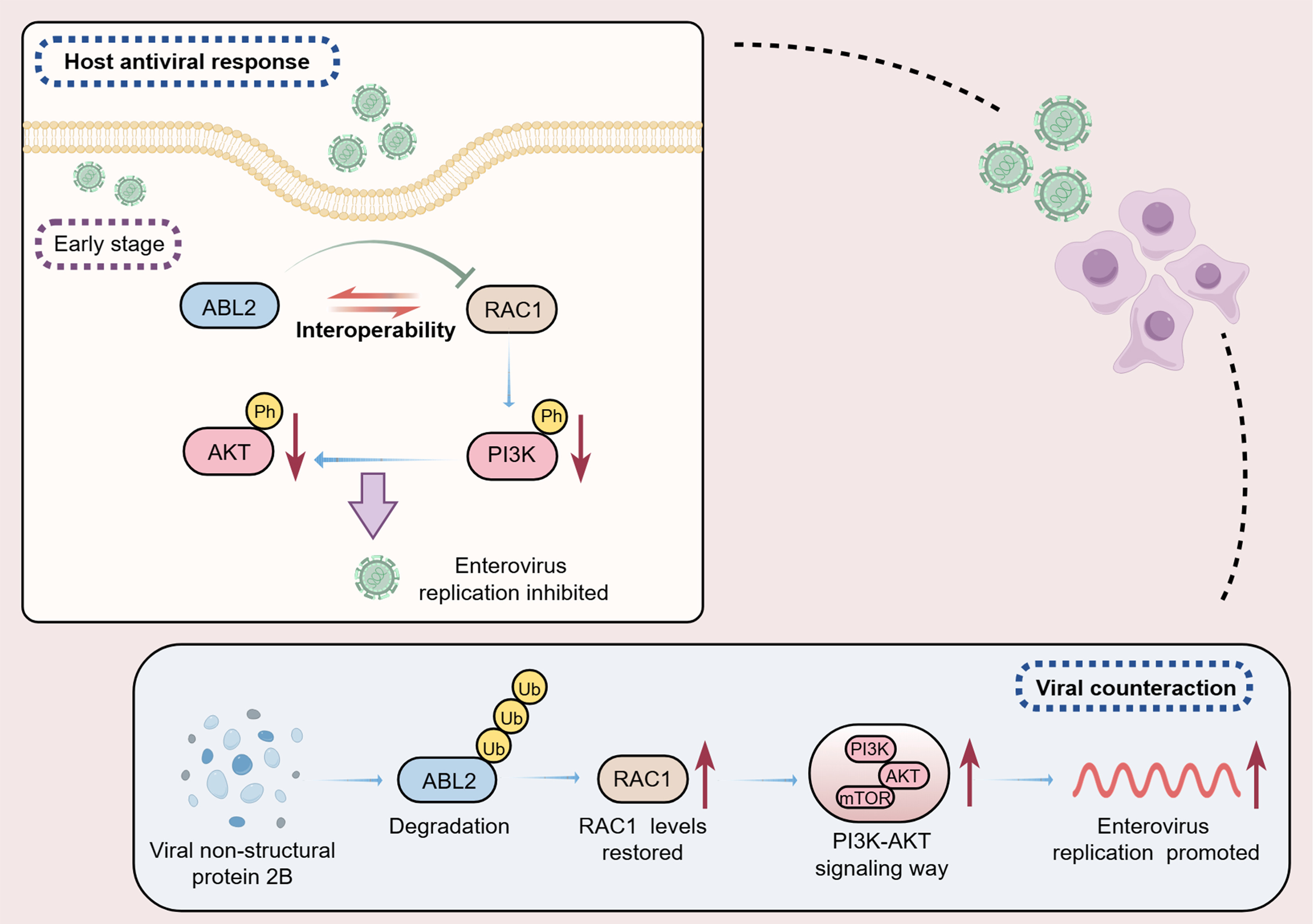
Enteroviruses, including Coxsackievirus B3 (CVB3), are significant human pathogens that cause severe diseases, such as viral myocarditis, pancreatitis, and encephalitis. ABL proto-oncogene 2 (ABL2), a non-receptor tyrosine-protein kinase, regulates diverse physiological processes and participates in virus infection; however, its role in enterovirus infection remains uncharacterized. Here, we demonstrate a novel host-virus interaction: enteroviruses degrade ABL2 via the ubiquitin-proteasome system through their non-structural protein 2B. Furthermore, ABL2 functions as an antiviral restriction factor during enterovirus infection, specifically inhibiting the early stages of viral replication. Mechanistically, ABL2 directly interacts with RAC1, a Rho family GTPase, and downregulates RAC1 protein levels, thereby suppressing RAC1-dependent activation of the PI3K/AKT signaling pathway. In summary, our study reveals a post-translational mechanism by which enteroviruses evade host antiviral defenses, providing a rationale for therapeutic development against enteroviral diseases.
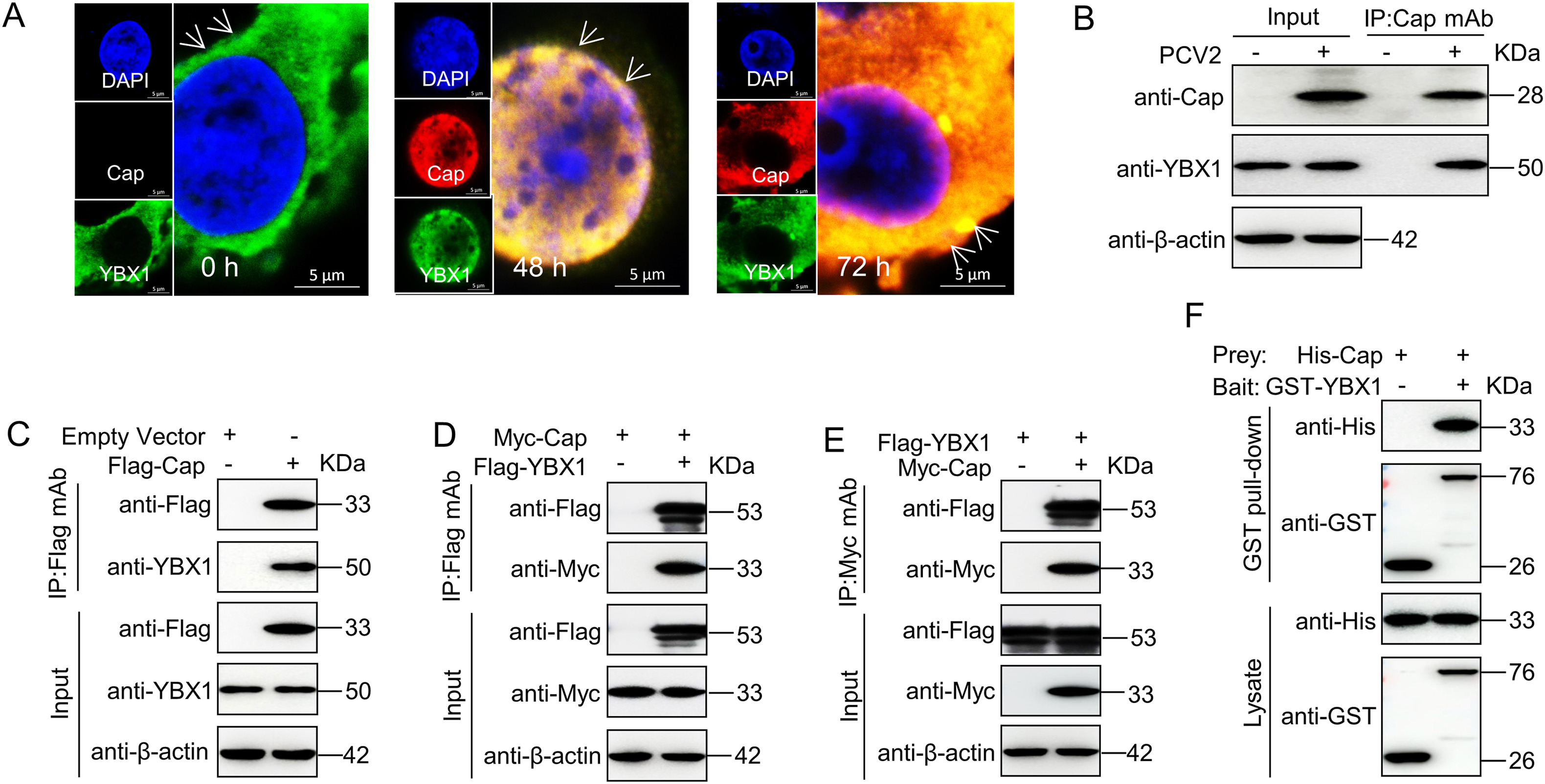
Porcine circovirus type 2 (PCV2), a major causative agent of PCV2-associated diseases, poses a serious threat to the global swine industry. The stability of PCV2 capsid (Cap) protein is critical for viral replication; however, the underlying mechanisms regulating Cap stability during PCV2 infection remain poorly understood. In this study, co-immunoprecipitation assays were used to demonstrate that PCV2 Cap protein can maintain its own stability by binding to the cellular Y-box-binding protein 1 (YBX1) during viral infection. Furthermore, binding domain mapping experiments revealed two specific regions essential for this interaction: the N-terminal arginine-rich motif (ARM) of PCV2 Cap (amino acid sequence: 1MTYPRRRYRRRRHRPRSHLG20) and the amino acid residues 189RRRR192 within the C-terminal domain (CTD) of YBX1. Virus rescue experiments further confirmed that substituting all arginine residues with alanine in the N-terminal ARM of Cap completely abolished its binding to YBX1. Analysis of viral replication capacity showed that YBX1 promotes PCV2 replication by stabilizing the viral Cap protein. Additionally, knockdown of YBX1 significantly reduced the protein levels of PCV2 Cap, and this effect was reversed either by treatment with the proteasome inhibitor MG132 or by restoring YBX1 expression. Collectively, these findings demonstrate that YBX1 promotes PCV2 replication by directly interacting with the ARM of PCV2 Cap, thereby inhibiting the proteasomal degradation of Cap during viral infection.
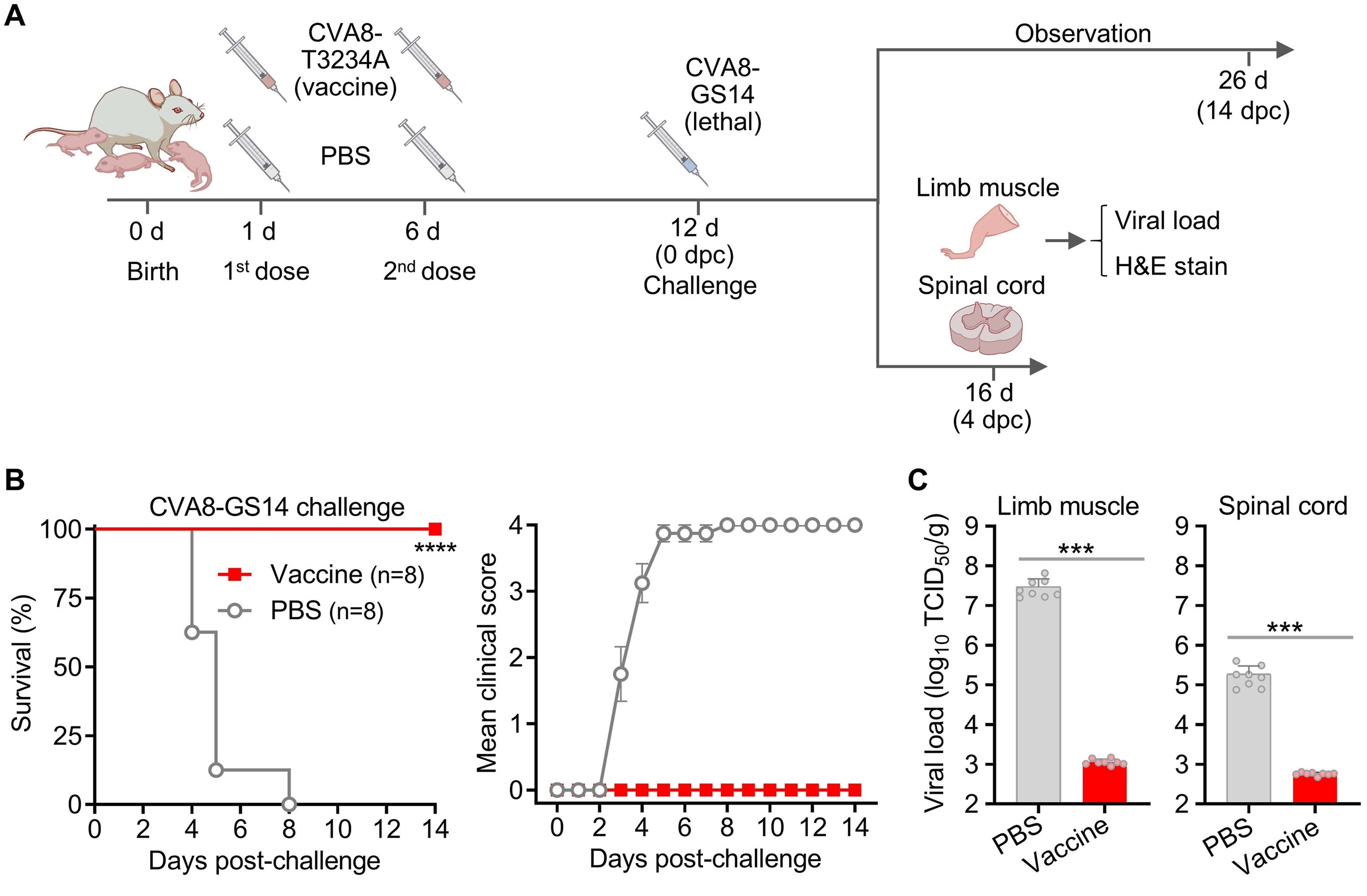
Coxsackievirus A10 (CVA10) is a major causative agent of hand, foot and mouth disease and utilizes KREMEN1 (KRM1) as its cellular receptor. While our previous work identifies VP2 residue K140 as a universal anchor for KRM1 binding among KRM1-utilizing enteroviruses, the functional significance of other receptor-interface residues remains poorly characterized. Here, through structure-guided mutagenesis, we demonstrate that VP3-T234, a completely conserved residue at the C-terminus of VP3, is essential for CVA10 infectivity. The T234A mutation does not affect virion assembly but abolishes both KRM1 binding and cellular attachment. Interestingly, this requirement shows remarkable virus specificity: the homologous residue is critical for CVA8, but is not required for other KRM1-utilizing enteroviruses including CVA2-CVA6 and CVA12. The T234A mutation significantly attenuates the pathogenesis of both CVA10 and CVA8 in neonatal mice. Moreover, the CVA8-T234A mutant provides complete protection as an attenuated vaccine against lethal CVA8 challenge. Our findings establish a model wherein KRM1 engagement relies on the conserved VP2-K140 anchor complemented by virus-specific secondary residues, with VP3-T234 representing a key determinant for CVA10 and CVA8. These insights advance our understanding of enterovirus-receptor interactions and provide new directions for vaccine development.
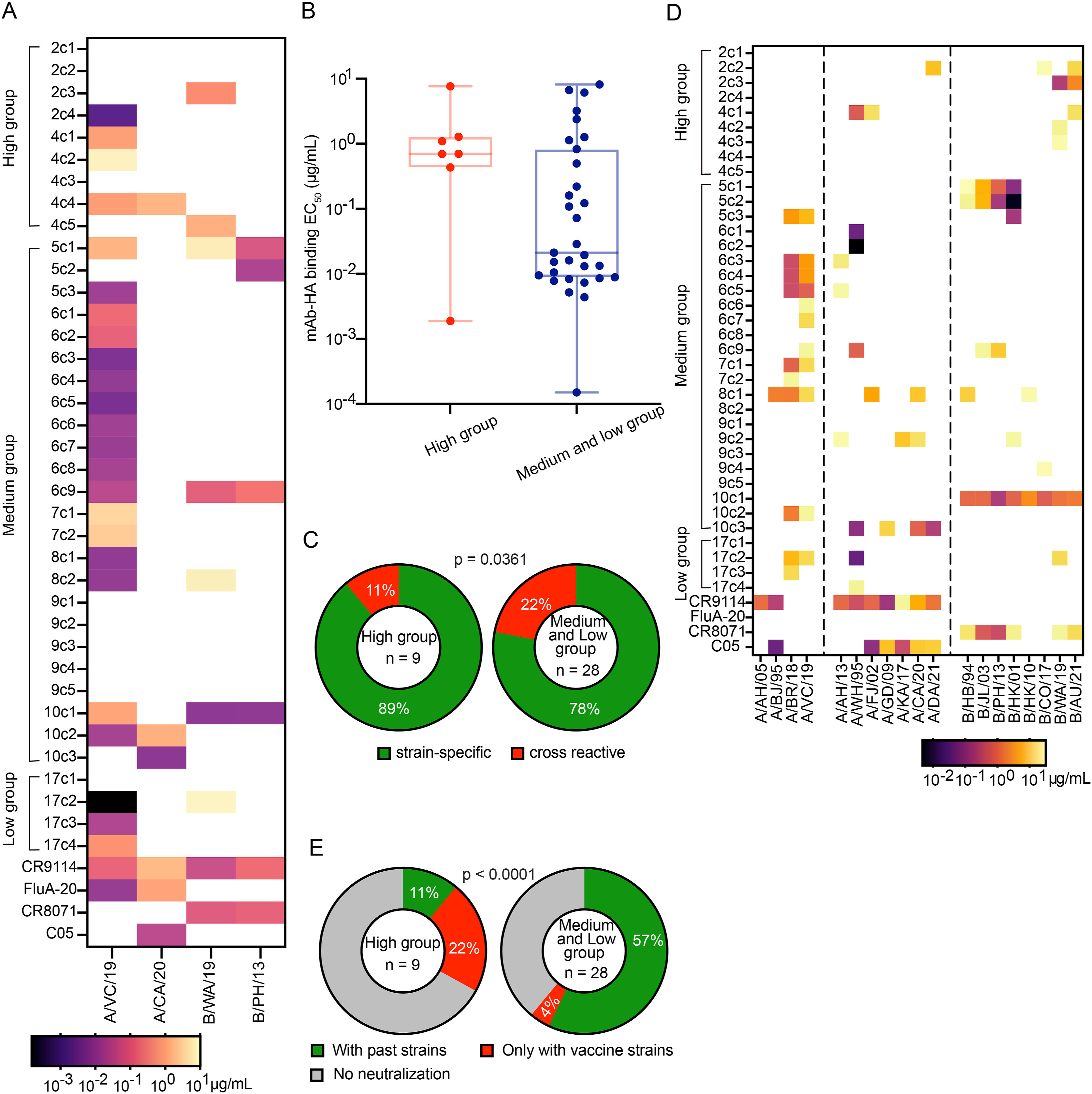
Repeated influenza exposures generate complex antibody landscapes, yet how pre-existing antibodies are associated with subsequent vaccine responses remains unclear. We longitudinally tracked 21 adults stratified by pre-vaccination neutralizing titers to examine B-cell dynamics using flow cytometry, B cell receptor (BCR) sequencing, and monoclonal antibody characterization. After vaccination, participants with high baseline titers showed a longitudinal increase in the frequency of HA+CD27-IgD+ naive-phenotype B cells. BCRs recovered from hemagglutinin (HA)-binding (HA+) B cells in the high-titer group displayed lower somatic hypermutation and shorter CDR3s, whereas those recovered from the lower-titer groups showed higher mutation levels and more extensive class switching. Correspondingly, monoclonal antibodies from the high-titer group generally showed narrow reactivity, while those from lower-titer groups showed broader neutralizing activity against historical strains. Clonal tracing further suggested that mAbs from lower-titer groups were more often linked to pre-existing sequences. Together, these findings suggest that pre-existing antibody levels are associated with differences in B-cell repertoire maturation and antibody breadth after influenza vaccination.
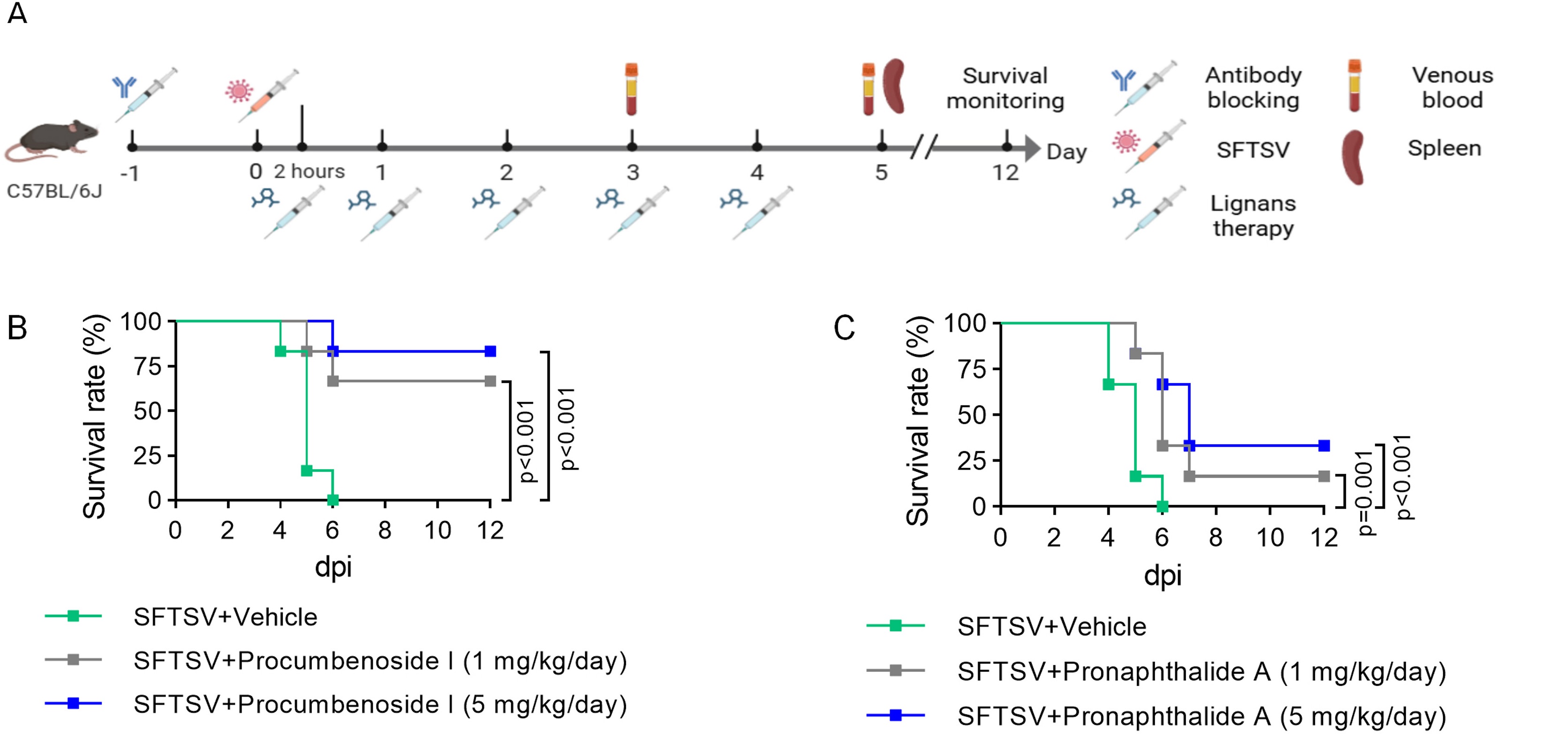
Severe fever with thrombocytopenia syndrome virus (SFTSV) is an emerging tick-borne bunyavirus that causes a life-threatening infectious disease with high mortality. Currently, there are no approved vaccines or specific therapeutic drugs for clinical use against SFTSV infection. Here, we screened a lignan compound library to identify candidates with anti-SFTSV activity. Two type I arylnaphthalide lignan lactones, Pronaphthalide A and Procumbenoside I, were identified as potent inhibitors of SFTSV infection. Mechanistic investigations indicated that these lignans exert their inhibitory effects at the viral binding and internalization stages. Molecular docking analysis revealed that these lignans can bind to the conserved B domain of the SFTSV glycoprotein Gn, an interaction validated by subsequent experiments as the core mechanism underlying their antiviral activity. In a mouse model of lethal SFTSV infection, treatment with these compounds, particularly Procumbenoside I, significantly inhibited viral infection, attenuated histopathological abnormalities, and improved survival rates. The antiviral activity of these lignans was further expanded to other bunyaviruses, including Lymphocytic choriomeningitis virus (LCMV) and Wetland virus (WELV). These findings uncover the broad-spectrum antiviral activity of type I arylnaphthalide lignans and support their potential as candidate therapeutic agents for the clinical intervention of bunyavirus infections.
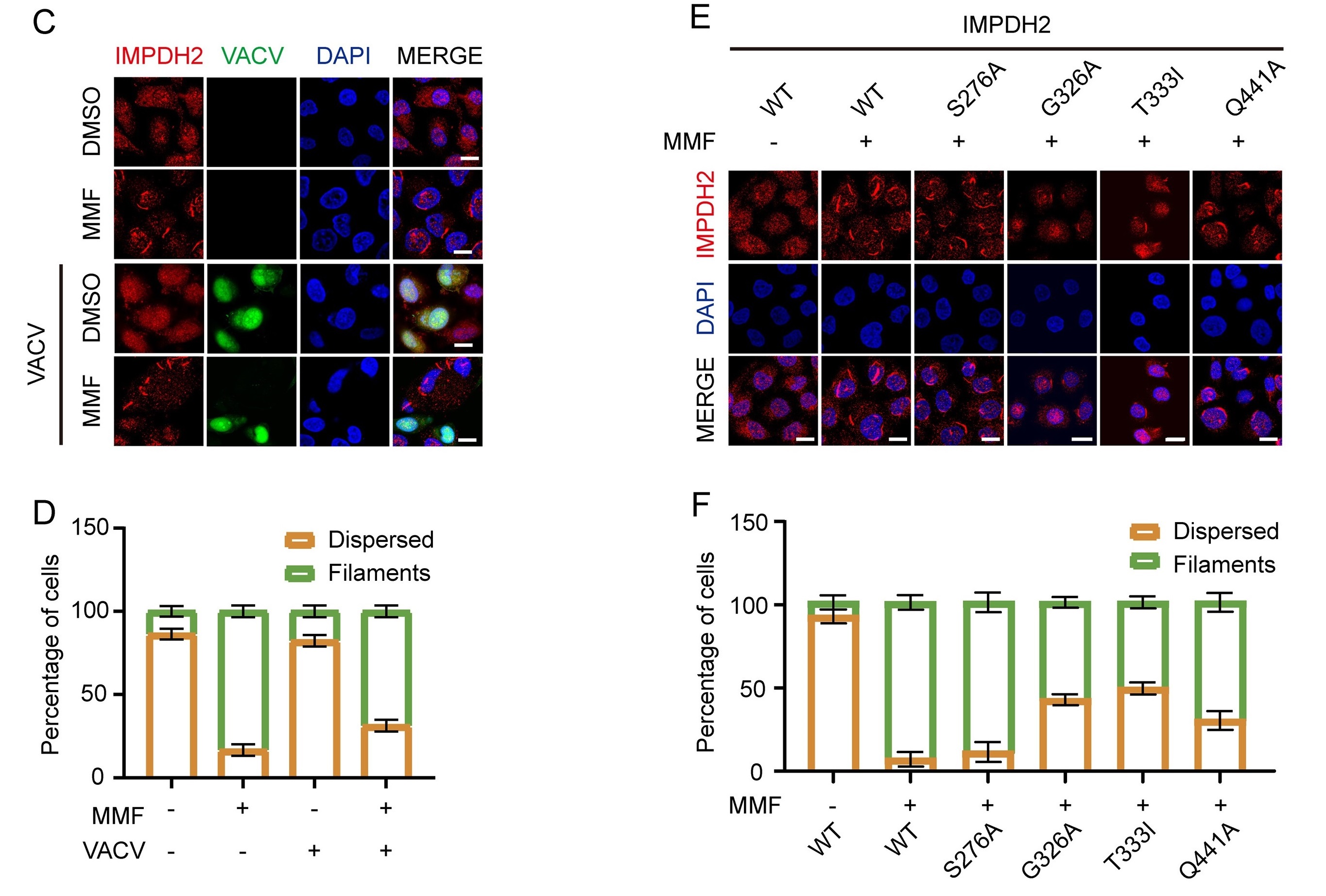
Monkeypox virus (MPXV), a pathogenic orthopoxvirus, has caused major outbreaks and emerged as a global public health threat. Although antivirals approved for smallpox are used therapeutically against monkeypox, their clinical utility is limited by drug availability and emerging resistance. The conserved strategy by which viruses remodel host nucleotide metabolism to secure biosynthetic precursors for replication and spread has emerged as a pivotal target for the development of broad-spectrum antiviral therapeutics. In this study, leveraging the high genetic and biological similarity between vaccinia virus (VACV) and MPXV, we employed VACV as a surrogate model to screen 10 FDA-approved inhibitors targeting nucleotide metabolism enzymes, aiming to identify potential novel inhibitors against MPXV. Mycophenolate mofetil (MMF), an inosine 5'-monophosphate dehydrogenase type II (IMPDH2) inhibitor, displayed potent inhibition effects against both VACV and MPXV. Subsequent downstream time-course studies revealed that MMF targets a post-entry stage of the viral replication cycle. Mechanistic studies suggest that MMF inhibits IMPDH2 activity by suppressing ubiquitin-specific protease 5 (USP5)-mediated deubiquitination of IMPDH2 and inducing rod-and-ring (R&R) assembly, leading to reducing dNTP pools and enhancing antiviral effects. In conclusion, our findings demonstrate that MMF is an effective antiviral drug against VACV and MPXV infection and establish a host-directed therapeutic strategy to combat future orthopoxvirus outbreaks.
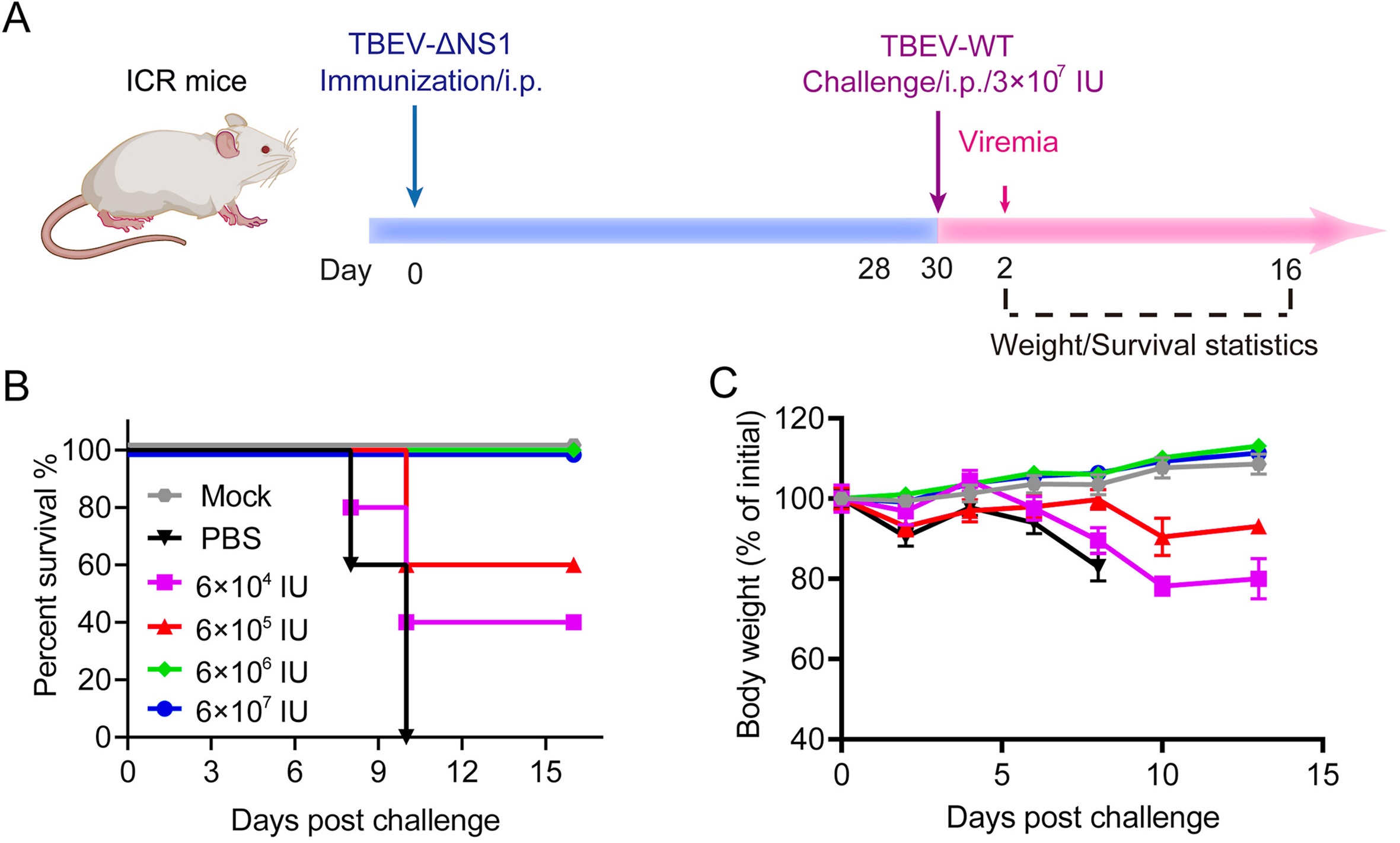
Tick-borne encephalitis virus (TBEV) poses a severe threat to public health, causing neurological disorders with high morbidity and mortality in endemic regions. Therefore, developing safe and effective strategies for TBEV vaccines has long been a focus of attention. Herein, leveraging our well-established NS1 trans-complementation platform, we successfully constructed a high-titer replication-defective TBEV (TBEV-△NS1) using the BHK-21 cell line stably expressing Omsk hemorrhagic fever virus (OHFV) NS1 (designated BHKNS1). Retention of the NS1 deletion in TBEV-△NS1 was confirmed by continuous passaging in BHKNS1 cells, as no replicative virus was detected in naive BHK-21 cells. The safety profile of TBEV-△NS1 was further validated, as administration of a high dose of TBEV-△NS1 to ICR mice did not induce any clinical symptoms. Notably, TBEV-△NS1 conferred complete protection against lethal wild-type (WT) TBEV challenge in ICR mice, whereas non-immunized control mice exhibited 100% mortality, significant weight loss, and viremia. This protective efficacy is tightly correlated with robust humoral and cellular immune responses, as demonstrated by the induction of high titers of TBEV-specific IgG, neutralizing antibodies, and IFN-γ-secreting CD8+ T cells following a single immunization. Collectively, our findings provide a proof-of-concept for the NS1 trans-complementation platform in TBEV vaccine development.
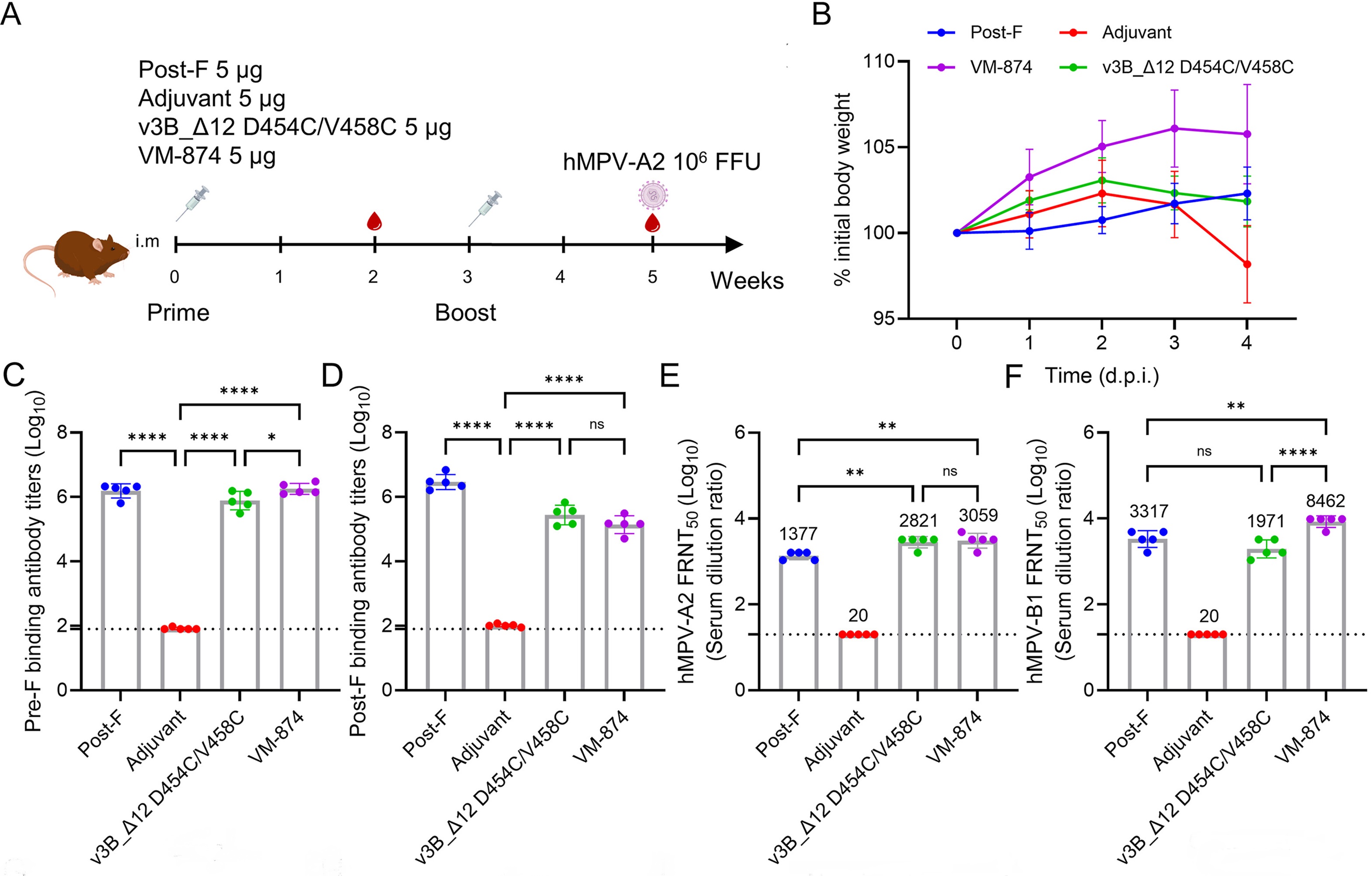
Human metapneumovirus (hMPV) is a major cause of pediatric acute lower respiratory tract infections (ALRTIs), yet vaccine development has been hindered by the intrinsic metastability of the prefusion F glycoprotein (pre-F). Here, we used a structure-based design strategy to stabilize hMPV pre-F while preserving neutralization-sensitive epitopes. By applying combined stabilizing elements, including disulfide bonds, a designed salt bridge, and a trimer-interface sequence swap, we generated VM-874, a pre-F-stabilized trimer that was expressed at high levels in 293F cells and exhibited improved thermal stability and stress-resistant antigenicity. VM-874 also retained binding to multiple conformation-sensitive monoclonal antibodies following thermal and storage stress. VM-874 elicited high serum neutralizing titers against both hMPV A2 and B1 strains and conferred protection in BALB/c mice and cotton rats, as evidenced by reduced pulmonary viral burden and attenuated lung pathology after challenge. Although VM-874 elicited antibodies that cross-bound respiratory syncytial virus (RSV) F protein, no RSV-neutralizing activity was detected, underscoring the need to distinguish cross-reactivity from heterologous protection in combined RSV/hMPV vaccine strategies.
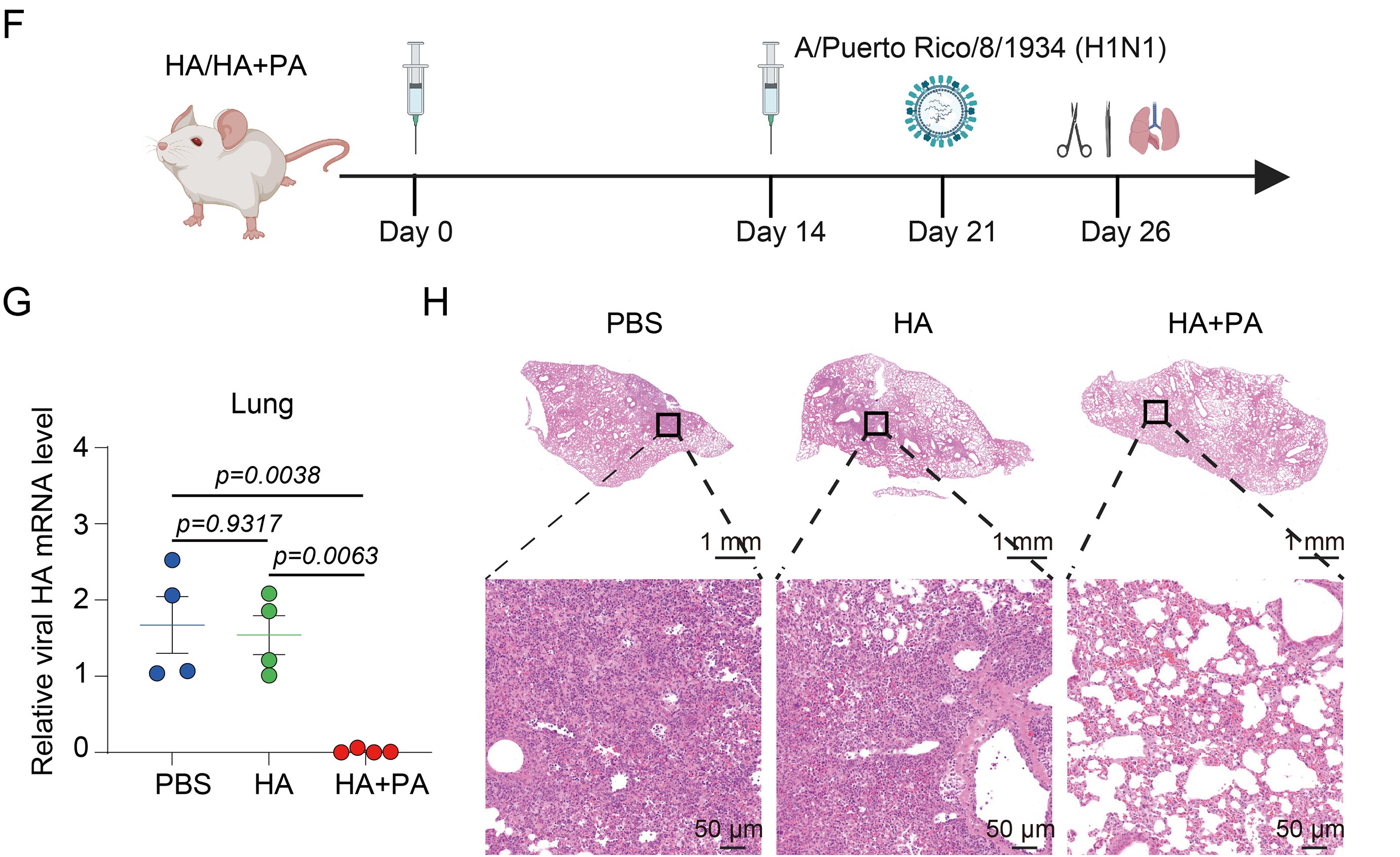
Overcoming immunosuppressive tumor microenvironments remains a critical challenge in advanced vaccine development. Here, we evaluated Pygenic acid A (PA), an intracellular small-molecule inhibitor targeting the PD-1/SHP-2 axis, as a novel vaccine adjuvant. The adjuvant efficacy of PA was systematically assessed in two murine models: a therapeutic B16-F10 melanoma lung metastasis model and a prophylactic lethal H1N1 influenza virus challenge model. In the melanoma metastasis model, PA potentiated the anti-tumor effect of the mTRP2 vaccine, markedly inhibiting pulmonary metastatic lesions and prolonging the survival of tumor-bearing mice. Mechanistically, PA robustly boosted the intratumoral infiltration of functional T cells, thereby reversing local tumor immunosuppression. In the influenza vaccination model, consistent immunostimulatory effects were observed: the PA-adjuvanted hemagglutinin (HA) vaccine effectively elicited broad-spectrum cross-neutralizing antibody responses and provided complete protection against lethal heterologous influenza virus challenge. Further mechanistic investigations demonstrated that PA specifically promoted the differentiation of T follicular helper (Tfh) cells and the expansion of germinal center (GC) B cells in draining lymph nodes, while triggering a robust Th1-type cellular immune response dominated by IFN-γ secretion. Furthermore, in vivo safety assessments verified that PA intervention induced no obvious systemic inflammation, hematological abnormalities, or visceral organ injury, indicating a favorable safety profile. Collectively, these results demonstrate that PA serves as a potent and safe intracellular checkpoint-targeting adjuvant capable of potentiating both cellular immunity and cross-protective humoral immunity, holding great translational promise for the development of advanced cancer vaccines and broad-spectrum influenza vaccines.
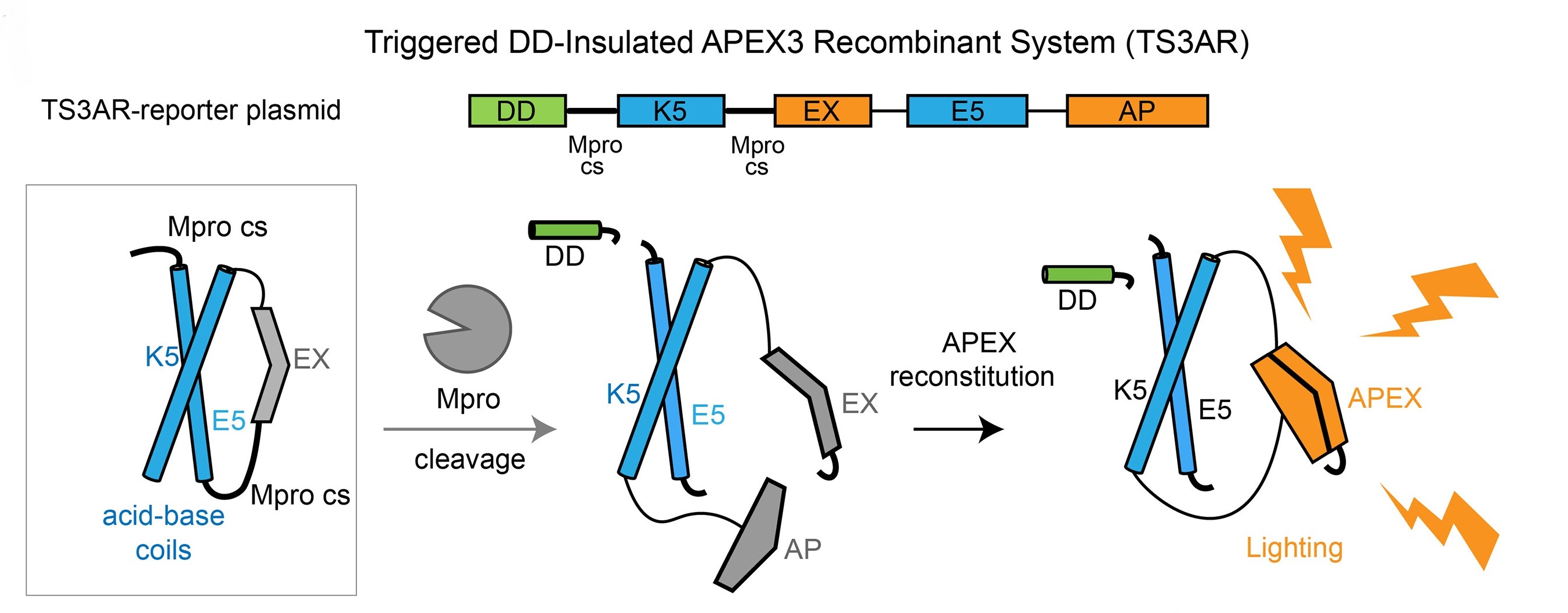
Viral proteases are key targets for the development of broad-spectrum antiviral drugs development. However, screening platform capable of accurately assessing inhibitor activity within physiologically relevant cellular environments remain urgently needed. Traditional methods, such as fluorescent protein assays and Förster resonance energy transfer (FRET), suffer from significant limitations, including susceptibility to non-specific conformational interference by test compounds and an inability to faithfully reflect intracellular inhibitory effects. To address these challenges, we constructed two modular biosensors (TS3AR and C3SIR) based on engineered ascorbate peroxidase (APEX). Their detection mechanism relies on specific cleavage of the substrate recognition sequence by the target protease, which triggers the reassembly of split APEX fragments, restores enzymatic activity, and generates fluorescent signals generated via cascade amplification reaction. Validation using the coronavirus main protease (Mpro) as a model showed that the TS3AR sensor achieved the signal-to-noise ratio up to 1500-fold for enzyme activity detection, while the C3SIR sensor effectively avoided the false positives caused by conformational interference seen in traditional methods and accurately identified high-potency Mpro inhibitors, including enstrelvir, PF-00835231, and nirmatrelvir. Moreover, by replacing the protease recognition sequence, these modular biosensors can be flexibly adapted for activity analysis and drug evaluation of Mpro from various coronaviruses (e.g., SARS-CoV-2, MERS-CoV) as well as other viral proteases (e.g., enterovirus 71, Epstein-Barr virus and hepatitis A virus). Overall, this platform provides a reliable, highly specific intracellular screening tool to accelerate the development of broad-spectrum therapeutics against both emerging and existing viral threats.
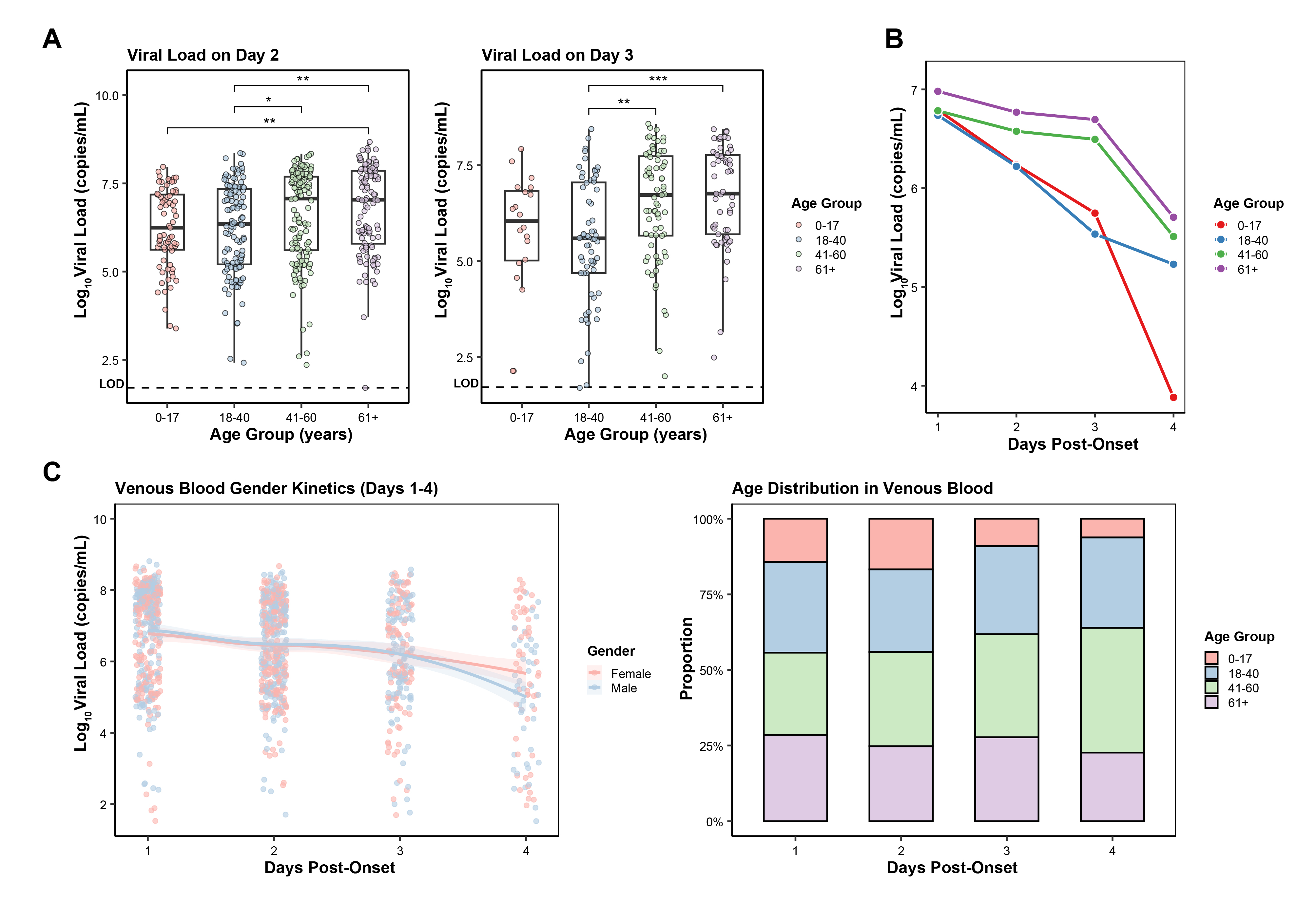
Highlights 1 ECSA-MAL lineage of CHIKV shows robust replication and rapid clearance. 2 Peak venous viremia (median 2.3 × 10⁷ copies/mL) occurs on day 1 of symptom onset. 3 Older age is significantly associated with higher peak viral loads. 4 Longitudinal monitoring of capillary blood reveals viral clearance by day 6.
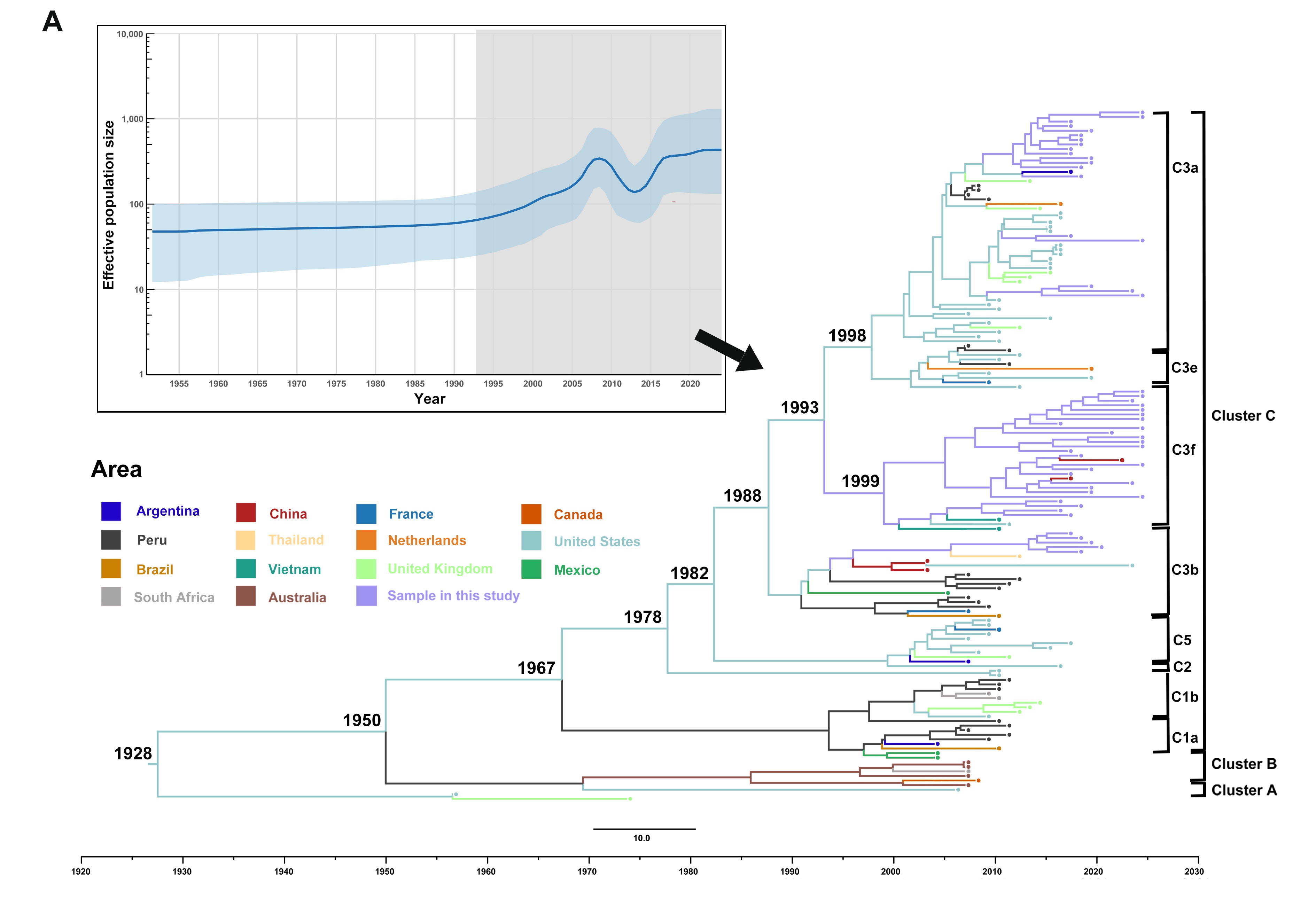
Highlights 1 Fifty whole-genome sequencing revealed co-circulating HPIV-3 C3 sub-lineages C3f and C3a in Shanghai, China. 2 Whole-genome phylogeny dated the HPIV-3 tMRCA to ~1925.6 and revealed two post-1990 demographic expansions. 3 Recombination signals detected in the HN gene and other regions may lead to discordance in partial-gene phylogenies. 4 The L gene showed the highest variability and harbored the largest number of putative positively selected sites.
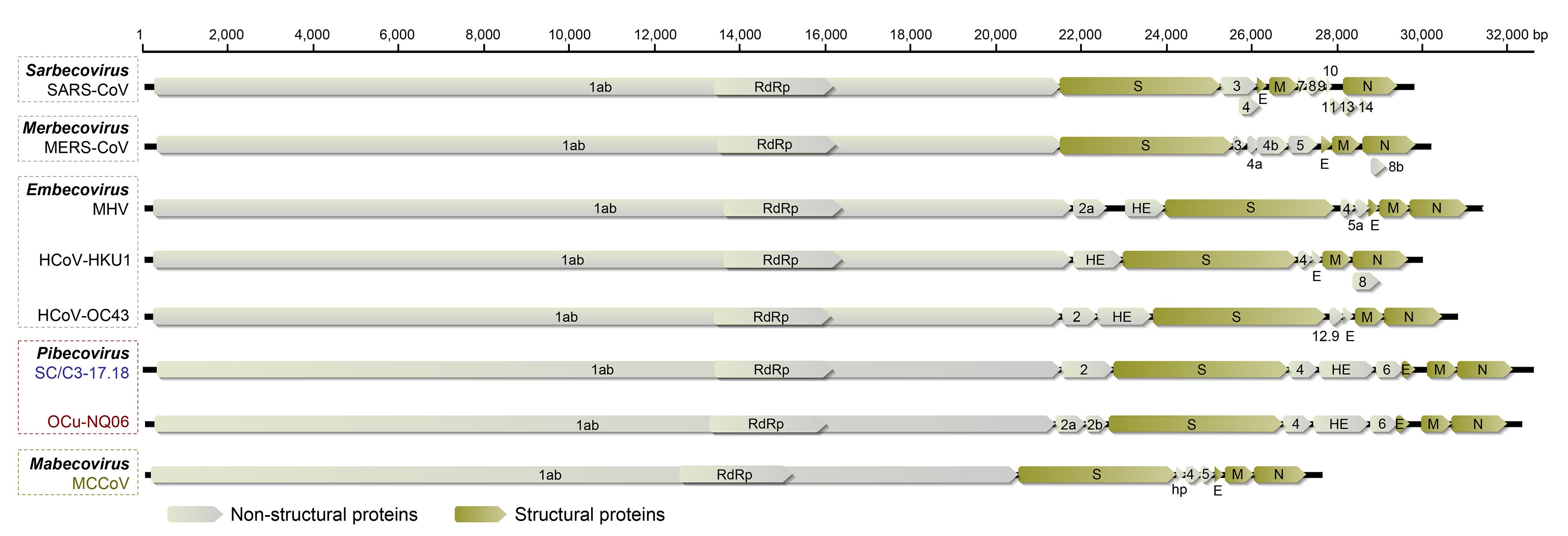
Highlights 1 Pikas and marmots from plateaus host divergent α- and β-CoVs, including the candidate subgenera Pibecovirus and Mabecovirus. 2 The plateau CoVs show distinctive genomic features (relocated HE gene, variable ORFs), indicating lineage-specific evolution. 3 High-altitude plateau ecosystems are a key yet understudied frontier of CoV evolution, warranting systematic surveillance.