
Single-cell transcriptomic analyses of HSV-1 reactivation from latently infected tree shrew and mouse trigeminal ganglia reveal differing molecular and cellular processes
Herpes simplex virus type 1 (HSV-1) infects over 70% of the population and establishes lifelong latent infection with periodic reactivation in humans, resulting in various related diseases. However, the molecular and cellular events underlying the transition of HSV-1 from latency to reactivation remain poorly understood. In this study, we used bulk RNA sequencing and single-cell transcriptomic analyses to dissect the cellular and molecular events of HSV-1 latency-reactivation transition in infected trigeminal ganglia (TG) in both mouse and tree shrew infection models. We found that mice exhibited fluctuating host gene responses during the acute phase and relatively quiescent latency, whereas tree shrews displayed a relatively mild acute phase and active latency characteristics. Single-cell analysis revealed that HSV-1 infects TG neuronal subpopulations expressing growth hormone and pituitary hormones. Importantly, we observed that HSV-1 latency in tree shrew TGs exhibited inhibition of cellular autophagy function, while HSV-1 latency in mice was accompanied by the attenuation of monocyte-related immune surveillance. Given that infected cell protein 0 (ICP0) has autophagy inhibitory activity, we further investigated the role of this viral protein in tree shrew models using an ICP0-deficient HSV-1 strain. Notably, the mutant virus could not undergo spontaneous reactivation from latency. These findings support the hypothesis that ICP0 may be essential for spontaneous reactivation by inhibiting autophagy in vivo.
more >>

The role of T cells in influenza infection and vaccination
Influenza virus infections cause significant illness or death every year, becoming a serious health risk. Currently, influenza vaccines mainly induce responses to antibodies against specific strains, but they do not effectively induce effective T cell-mediated immunity. Humoral immunity relies on the production of antibodies that bind to surface proteins (such as hemagglutinin and neuraminidase) to combat the virus. These antibodies envelope the virus to prevent it from invading cells and also label the virus for phagocytic cells to clear. T cell-mediated immunity relies on cytotoxic cells to kill infected cells to combat the virus. Cytotoxic T cells rely on viral proteins on the surface of infected cell to recognize them. This enables the detection of more viral proteins, such as internal proteins like nucleoproteins. A better understanding of the mechanism by which T cells combat influenza is helpful for vaccine development. In this review, we elaborate on the role of T cells in enhancing anti-influenza immune defense. In addition, we explore the possibility that new influenza vaccines can induce such T cell responses.
more >>

Integrated multiplex PCR and metatranscriptomics reveal upper-lower airway microbial landscapes in pediatric respiratory infections
Despite widespread use of multiple PCR, a substantial proportion of pediatric acute respiratory tract infections (ARTIs) lack identifiable pathogens and are classified as unknown etiology. The microbial characteristics and clinical relevance of these cases remain unclear. In this study, we compared the airway microbiomes of PCR-positive and PCR-negative ARTIs and examined their relationships with sampling site and disease severity. A total of 514 hospitalized children with ARTIs were enrolled. Nasopharyngeal swabs (NS) and bronchoalveolar lavage fluid (BALF) samples were tested using a 22-target multiplex PCR panel and subsequently stratified by pathogen status for pooled metatranscriptomic sequencing to profile active microbial communities, viral genotypes, and antibiotic resistance genes. PCR identified common respiratory pathogens in 77.0% of NS and 54.1% of BALF samples. Metatranscriptomic analysis showed that PCR-negative pools displayed markedly lower viral activity and comparatively higher bacterial transcript abundance, with notable enrichment of Pseudomonas. Microbial signatures differed between upper and lower airway samples and across clinical severity, with severe cases demonstrating increased bacterial burden and Pseudomonas enrichment, whereas mild infections exhibited relatively stronger viral signals. Under current thresholds, antibiotic resistance genes were detected in patient pools but not in healthy controls. Overall, PCR-negative pediatric ARTIs exhibited distinct, bacteria-enriched microbial profiles. Integrating metatranscriptomics with PCR enhances pathogen characterization and reveals site- and severity-related microbial patterns that may support diagnostic evaluation and clinical management.
more >>

Current status of dengue fever epidemics and vaccine development
Dengue fever, an acute mosquito-borne infectious disease caused by dengue virus (DENV), is primarily endemic in tropical and subtropical regions. In recent years, the global incidence of dengue has increased dramatically. Since 2023, widespread outbreaks have been reported across numerous countries in the Americas, Asia and Africa. According to the World Health Organization, more than 5 million dengue cases were reported globally in 2023, while the number surged to over 14 million cases with more than 10,000 deaths in 2024—marking the highest global burden ever recorded. A similar upward trend has been observed in China, which experienced its largest dengue outbreak in a decade in 2024, with Guangdong Province accounting for the majority of domestically reported cases. These epidemiological patterns highlight the rapid expansion of dengue transmission, driven by climate change, accelerated urbanization and increased human mobility. In this context, vaccine development has become a public health priority. To date, two vaccines—Dengvaxia and Qdenga—have been licensed for clinical use. Six other vaccine candidates are currently in clinical trials, among which the tetravalent live-attenuated vaccines TV003/TV005 are considered the most promising. Despite considerable advances in dengue vaccine research, significant challenges remain, including the need to elicit balanced immune responses against the four serotypes and to reduce the risk of antibody-dependent enhancement (ADE). Taken together, this review systematically summarizes recent global and regional trends in dengue fever and the current progress in dengue vaccine development, collectively offering a valuable resource for informing prevention and control strategies.
more >>

Multivalent display of envelope protein domain III with Mi3 nanoparticles induces protective immunity against lethal Zika virus infection in mice
Zika virus (ZIKV) infection is associated with severe neurological complications such as congenital microcephaly, yet no safe and effective vaccine is currently available. A critical challenge in ZIKV vaccine development arises from cross-reactive, non- or sub-neutralizing antibodies, which may enhance dengue virus (DENV) infection through antibody-dependent enhancement (ADE). Herein, we report a vaccine strategy utilizing Mi3 nanoparticles to display the envelope (E) protein domain III (EDIII) of ZIKV, which induces protective immunity against ZIKV infection in murine models. Compared to an EDIII subunit vaccine, the Mi3-EDIII nanoparticle vaccine elicited significantly higher antibody responses and stronger cell-mediated immune responses. In C57BL/6 mice, maternal immunization with Mi3-EDIII protected the neonates against ZIKV-caused symptoms, including body weight loss, neurological abnormalities, retardation of brain development, and mortality. In interferon-α/β receptor knockout (Ifnar1-/-) C57BL/6 mice, Mi3-EDIII immunization conferred effective protection against lethal ZIKV challenge. Notably, unlike ZIKV convalescent sera, Mi3-EDIII immune sera did not enhance DENV infection in human chronic myelogenous leukemia K562 cells, suggesting the absence of ADE-prone antibody induction. Our results demonstrate that Mi3-EDIII is a promising vaccine candidate against ZIKV infection and warrants further development.
more >>

Metatranscriptomics profiling reveals rodent- and shrew-borne viral diversity and evolutionary relationships in Guangzhou, China
Emerging zoonotic infectious diseases, predominantly caused by viruses, pose increasing public health threats globally. Rodents and shrews are natural hosts for a variety of zoonotic viruses. Guangzhou is one of China’s most densely populated cities and experiences frequent international and domestic population movements, making it a hotspot for infectious diseases. This study reports the metatranscriptomics virome of 208 rodents and shrews collected between June 2023 and December 2024 from four main urban areas (Tianhe, Baiyun, Liwan, Yuexiu) and five non-main urban areas (Zengcheng, Huadu, Conghua, Panyu, Nansha) in Guangzhou. Individual libraries were constructed from mixed tissue samples (liver, spleen, lung, and kidney) of each animal. Metatranscriptomics sequencing revealed diverse viral communities, identifying 24 viral strains across eight mammalian-associated viral families. Notably, we identified 17 known viruses and seven potentially novel viruses, including Seoul virus (5.2% prevalence in Rattus norvegicus from Panyu), Wenzhou mammarenavirus (13.2% in Rattus norvegicus from Conghua and Huadu), Jeilongvirus (29.4% in Rattus andamanensis from Panyu), and a divergent lineage of arteriviruses that may represent a new genus (maximum positivity rates of 2.9% in Rattus norvegicus and 5.7% in Rattus tanezumi). Phylogenetic analysis elucidated evolutionary relationships within key families such as Hantaviridae, Arenaviridae, Flaviviridae, and Parvoviridae, revealing distinct viral carriage patterns in Guangzhou City that are shaped by host species and geographical location. This is the first macro-level study of rodent and shrew viromes in Guangzhou and provides a scientific basis for strengthening surveillance of mammalian-associated viruses and preventing emerging zoonotic infectious diseases in the region.
more >>
Antiviral agents for dengue virus
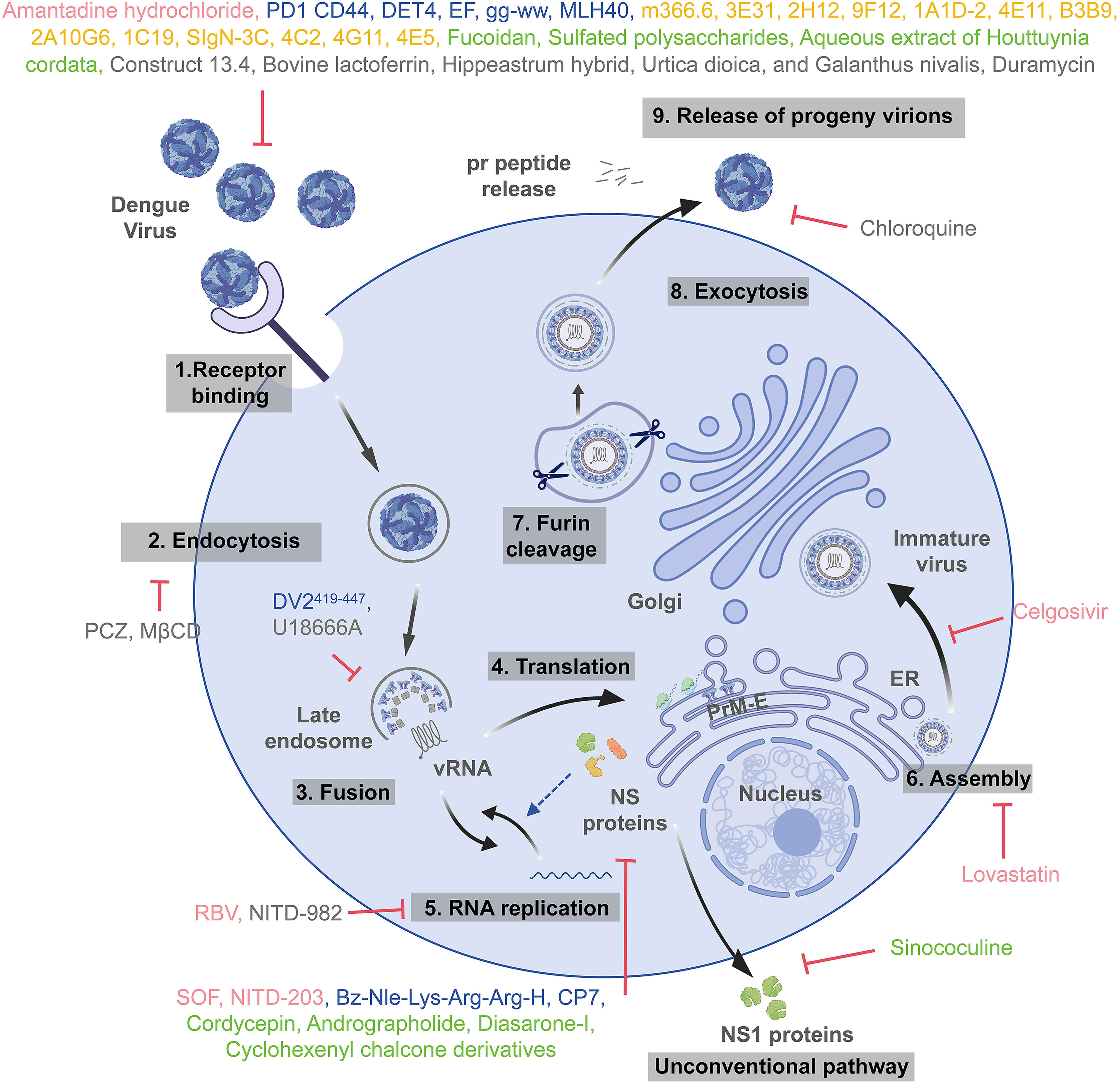
Dengue virus (DENV) is a mosquito-borne pathogen responsible for a spectrum of illnesses, including dengue fever, dengue hemorrhagic fever, and dengue shock syndrome. Nearly half of the global population is at risk of DENV infection, making it a pressing public health issue worldwide. The limited cross-protection among the four DENV serotypes (DENV1-4) and the phenomenon of antibody-dependent enhancement (ADE) have posed significant challenges to the development of effective dengue vaccines. Furthermore, there are currently no specific antiviral treatments available. This review provides an overview of DENV's key characteristics, clinical manifestations, and recent advancements in antiviral drug development—including the repurposing of approved drugs, peptide-based antiviral agents, therapeutic antibodies, natural products with antiviral potential, and host factor inhibitors—aiming to offer critical insights to inform strategies for managing and preventing dengue outbreaks.
more >>

The coronavirus 3CL protease: Unveiling its complex host interactions and central role in viral pathogenesis
The 3CL protease, a highly conserved enzyme in the coronavirus, plays a crucial role in the viral life cycle by facilitating viral replication through precise cleavage of polyproteins. Beyond its proteolytic function, the 3CL protease also engages in intricate interactions with host cell proteins involved in critical cellular processes such as transcription, translation, and nuclear-cytoplasmic transport, effectively hijacking cellular machinery to promote viral replication. Additionally, it disrupts innate immune signaling pathways, suppresses interferon activity and cleaves antiviral proteins. Furthermore, it modulates host cell death pathways including pyroptosis and apoptosis, interferes with autophagy and inhibits stress granule formation to maintain viral infection and exacerbate viral pathogenesis. This review highlights the molecular mechanisms by which the 3CL protease orchestrates virus-host interactions, emphasizing its central role in coronavirus pathogenesis and highlighting potential therapeutic targets for future interventions.
more >>

Virome diversity in small mammals from south China: Insights into virus evolution, transmission, and ecology
Mammals are critical reservoirs of human infectious diseases and the spillover of viruses is related to climate conditions. We conducted meta-transcriptomic sequencing of 226 mammals (bats, rodents, hedgehogs, and shrews) representing 20 species collected across eight cities in south China between 2018 and 2024. Samples included internal organs, oropharyngeal and anal swabs, and feces. We identified 63 vertebrate-associated viruses, including 34 novel viruses. Phylogenetic analysis revealed six viruses with potential infection risks to humans or domestic animals due to their close phylogenetic relationships with known pathogens. Cross-species transmission was observed in 14.3% (9/63) of viruses, shared by at least two host species, with bats, particularly Rhinolophus and Hipposideros, serving as key hubs for viral circulation and zoonotic spillover. Virome composition varied substantially among mammalian species and geographic regions (adonis test, R2 = 0.50, P = 0.001). Generalized linear models quantified the roles of host taxonomy, ecotypes, and meteorological factors in shaping viral diversity, demonstrating host taxonomy (at the order level) as a predominant role (25.70% deviance explained), followed by ecotypes (10.27% deviance explained). Phylogenetic analysis conducted using our betacoronavirus sequences, as well as betacoronavirus sequences derived from 2.0 × 10⁴ bats sampled in China between July 2013 and March 2024, revealed that no betacoronaviruses exhibited closer phylogenetic relationships to SARS-CoV-2 than the known strains (e.g., RaTG13). These findings provide critical insights into virus evolution, transmission, and ecological determinants, which are essential for the prevention of emerging infectious diseases.
more >>

Host factor RBM25 promotes HBV replication through Yin Yang 1-mediated cccDNA transcription
The persistence of covalently closed circular DNA (cccDNA) in hepatitis B virus (HBV)-infected hepatocytes remains a major obstacle to effective antiviral treatment. Understanding the molecular mechanisms regulating HBV cccDNA transcription is essential for developing novel therapeutic strategies. In this study, we investigated the role of RNA binding motif protein 25 (RBM25) in HBV replication, focusing on its interaction with cccDNA and its regulation of host transcription factors. The results demonstrated that RBM25 knockdown markedly inhibited HBV replication, reducing levels of HBV DNA, hepatitis B e antigen (HBeAg), hepatitis B surface antigen (HBsAg), HBV RNA, and L-HBs in HBV-replicating and infected cell models. Consistent results were observed in a mouse model hydrodynamically injected with 1.2 × HBV plasmid. Conversely, RBM25 overexpression significantly enhanced HBV replication. Mechanistically, RBM25 promoted HBV promoter activities by binding to cccDNA through its RE/RD and PWI domains. This effect was mediated by increased Yin Yang 1 (YY1) expression, which enhanced acetylation of cccDNA-bound histones, promoting HBV transcription. Furthermore, RBM25 expression was upregulated and translocated to the nucleus following core protein expression and accumulation, while overexpression of RBM25 promoted core protein degradation. In conclusion, this study demonstrates that RBM25 is a novel host factor that enhances HBV replication by upregulating YY1-dependent transcriptional activation of cccDNA. It also reveales a reciprocal regulatory mechanism between the HBV core protein and RBM25, which helps sustain HBV replication.
more >>

Insights into cross-species infection: Porcine epidemic diarrhea virus infections in the rodent
The cross-species infection of coronaviruses has resulted in several major epidemics since 2003. Porcine epidemic diarrhea virus (PEDV) is a devastating swine enteric coronavirus, which targets pigs as the only natural reservoir. In this study, the nucleic acid of PEDV was detected in rat fecal samples collected from pig farms. Further animal tests showed that PEDV can cause systemic infections in neonatal mice and rats via intracranial inoculation. The brain, lung, intestine and spleen were all targets for PEDV in rodents in contrast to the intestine being targeted in pigs. Morbidity and mortality vary via different infection routes. PEDV was also detectable in feces after infection, suggesting that the infected rodents were potential infectious sources. Moreover, the cerebral tropism of PEDV was verified in piglets via orally inoculation, which had not been identified before. In conclusion, our findings demonstrate that PEDV could cross the species barrier to infect mice and rats through different routes in experimental settings. Although it is highly devastating to piglets, PEDV changes the target organs and turns to be milder when meeting with new hosts. Based on these findings, more attention should be paid to the potential cross-species infection of PEDV.
more >>

Qingqi Guxue Decoction induces S cell cycle arrest to inhibit replication of severe fever with thrombocytopenia syndrome virus
Severe fever with thrombocytopenia syndrome (SFTS) is a novel emerging acute infectious disease caused by severe fever with thrombocytopenia syndrome virus (SFTSV), characterized by high fever and thrombocytopenia. It has been proved that traditional Chinese medicine (TCM) has displayed definite therapeutic effects on viral hemorrhagic fever, indicating its potential to treat SFTS. In this study, SFTS-relative key targets were predicted via gene ontology (GO) analysis and kyoto encyclopedia of genes and genomes (KEGG) enrichment analysis. Molecular docking was then used to select stable binders. Molecules matched TCMs were identified, and a new prescription, Qingqi Guxue decoction (QQGX), was formulated to clear heat and nourish blood, with a resulting drug composition network. We explored the optimal drug proportion for QQGX. Through an in-depth study of molecular mechanisms, we found that QQGX induces S phase arrest by promoting the degradation of cyclin A2 (CCNA2) and cyclin-dependent kinase 2 (CDK2), thereby inhibiting SFTSV replication. Finally, we verified the effectiveness and safety of QQGX based on the mouse liver bile duct organoid model infected with SFTSV. In summary, our study prepared a TCM decoction using the method of network pharmacology. This decoction has a significant inhibitory effect on the replication of SFTSV and provides a new treatment strategy for hemorrhagic fever with TCM.
more >>

Zika virus transmission in Aedes aegypti: A systematic study on the ability of mosquitoes to transmit the virus horizontally and vertically
Zika virus (ZIKV) is a mosquito-borne virus belonging to the genus Orthoflavivirus, and the family Flaviviridae. It commonly presents with febrile-like symptoms, neurological issues, and pregnancy complications in humans. Currently, there is no commercial vaccine or specific treatment available to prevent ZIKV infection. Therefore, controlling the epidemic's spread relies on preventing mosquitoes from transmitting the virus. Although various studies have explored the transmission of ZIKV between mosquitoes and vertebrate hosts, comprehensive research on potential mosquito-to-mosquito transmission of ZIKV remains limited. In this study, we conducted systematic laboratory investigations to assess the ability of ZIKV to spread among mosquitoes, and to evaluate the impact of ZIKV infection on mosquito development. Our findings revealed that ZIKV can be transmitted between Aedes aegypti mosquitoes both vertically and horizontally, through oviposition and contact between mosquitoes of the same or opposite sex. Additionally, we observed that ZIKV infection resulted in a reduction in the number of mosquito eggs but an increase in their size. The widespread distribution of ZIKV in infected mosquitoes and the altered levels of hormone related genes following viral infection were noted, which may contribute to viral transmission among mosquitoes and affect mosquito development. This research provides systematic experimental evidence of ZIKV transmission among mosquitoes, which is crucial for developing novel strategies to disrupt the spread of orthoflaviviruses and other mosquito-borne pathogens.
more >>

Current antiviral therapies and promising drug candidates against respiratory syncytial virus infection
Respiratory syncytial virus (RSV) is one of the most common viruses leading to lower respiratory tract infections (LRTIs) in children and elderly individuals worldwide. Although significant progress in the prevention and treatment of RSV infection was made in 2023, with two anti-RSV vaccines and one monoclonal antibody approved by the FDA, there is still a lack of postinfection therapeutic drugs in clinical practice, especially for the pediatric population. In recent years, with an increasing understanding of the pathogenic mechanisms of RSV, drugs and drug candidates, have shown great potential for clinical application. In this review, we categorize and discuss promising anti-RSV drug candidates that have been in preclinical or clinical development over the last five years.
more >>

Insights into recent advancements in human and animal rotavirus vaccines: Exploring new frontiers
Rotavirus infections cause severe gastroenteritis and dehydration in young children and animals worldwide, leading to high rates of morbidity and mortality, predominantly in low- and middle-income countries. In the past decade, substantial progress has been made in the development and implementation of rotavirus vaccines, which have been essential in alleviating the global burden of this disease, not only in human being but also in livestock species like calves and piglets, where these infections can cause significant economic losses. By synthesizing the latest research and real-world evidence, this review article is designated to provide deep insights into the current state of rotavirus vaccine technology and its global implementation as well as the application of rotavirus vaccines in veterinary settings and their importance in controlling zoonotic transmission and maintaining food security.
more >>
Articles in press have been peer-reviewed and accepted, which are not yet assigned to volumes/issues, but are citable by Digital Object Identifier (DOI).
|
2026, 41(4): 735-752.
doi: 10.1016/j.virs.2026.07.001
Received: 28 February 2026
Accepted: 03 July 2026
Published: 06 July 2026

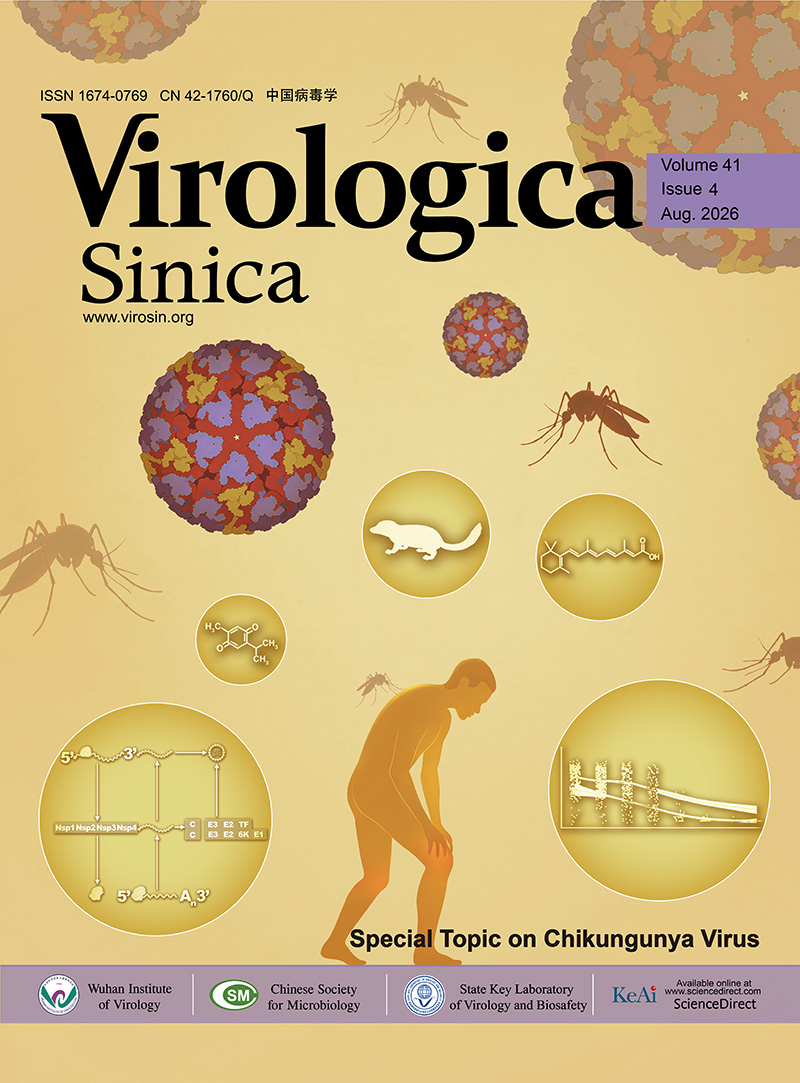
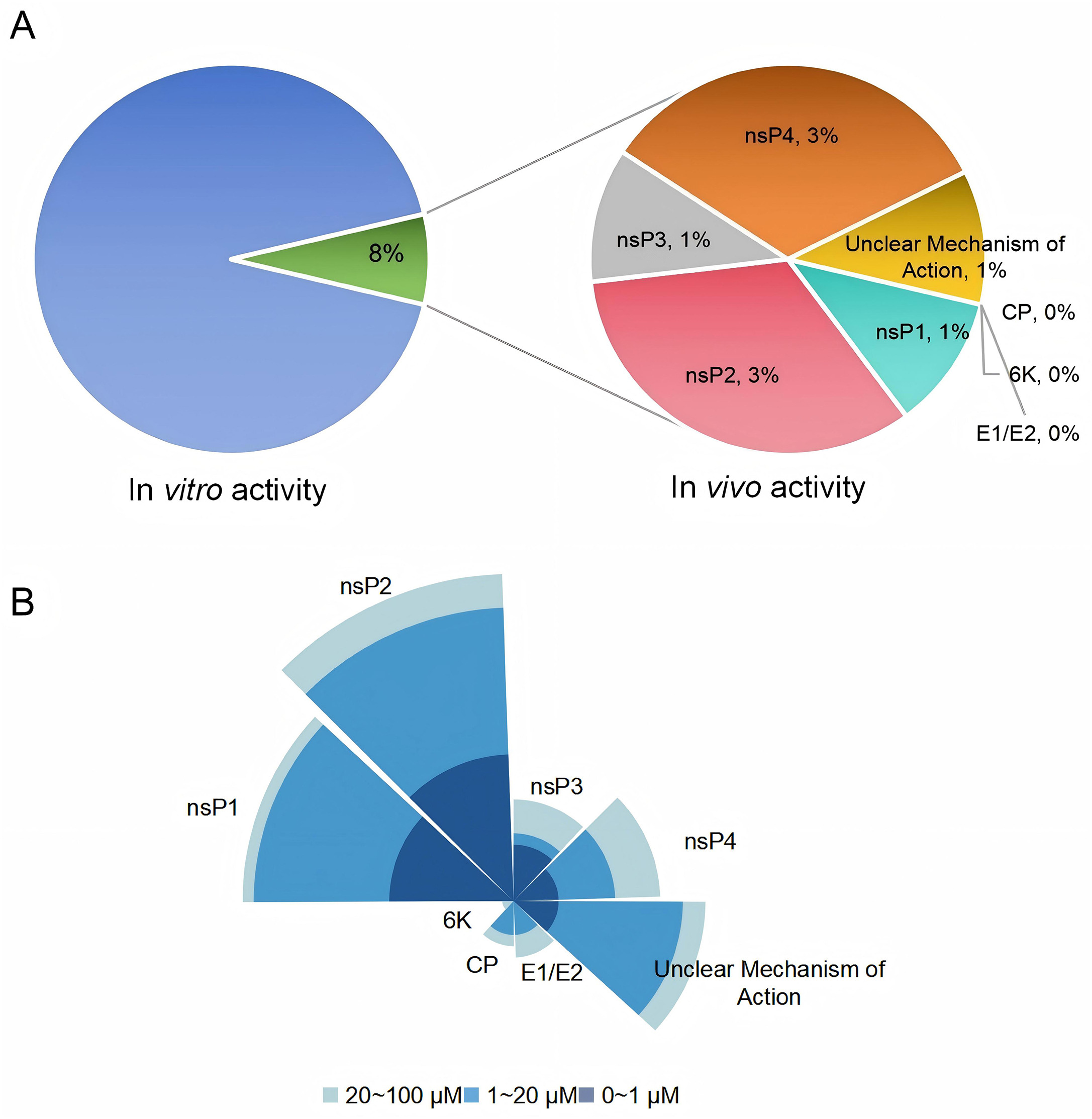
Chikungunya virus (CHIKV) belongs to the genus Alphavirus of the family Togaviridae. CHIKV infection generally causes severe clinical symptoms, including debilitating arthralgia, fever, hemorrhage and cutaneous rashes. In recent years, the transmission range of CHIKV has continued to expand, resulting in recurrent local outbreaks in densely populated and economically developed regions and posing a severe threat to public health. Accordingly, safe and effective anti-CHIKV therapeutics are urgently needed for the clinical treatment of infected patients. Nevertheless, no specific anti-CHIKV drugs have been approved for clinical use or advanced into clinical trials, and relevant research and development remain confined to the preclinical stage. This review systematically illustrates the key steps of the CHIKV life cycle, core viral components and vital functional domains, and summarizes the current research progress of anti-CHIKV agents. It comprehensively outlines the discovery strategies, structural optimization directions and activity evaluation approaches of anti-CHIKV small-molecule compounds, and further investigates their action targets. Notably, nsP2 and nsP4 represent promising targets for broad-spectrum anti-CHIKV even anti-alphavirus drug development due to their structural conservation across alphavirus species and druggable features. This work provides a solid theoretical basis and valuable reference for the future research and development of novel anti-CHIKV drugs.
2026, 41(4): 753-765.
doi: 10.1016/j.virs.2026.03.013
Received: 15 September 2025
Accepted: 25 March 2026
Published: 27 March 2026
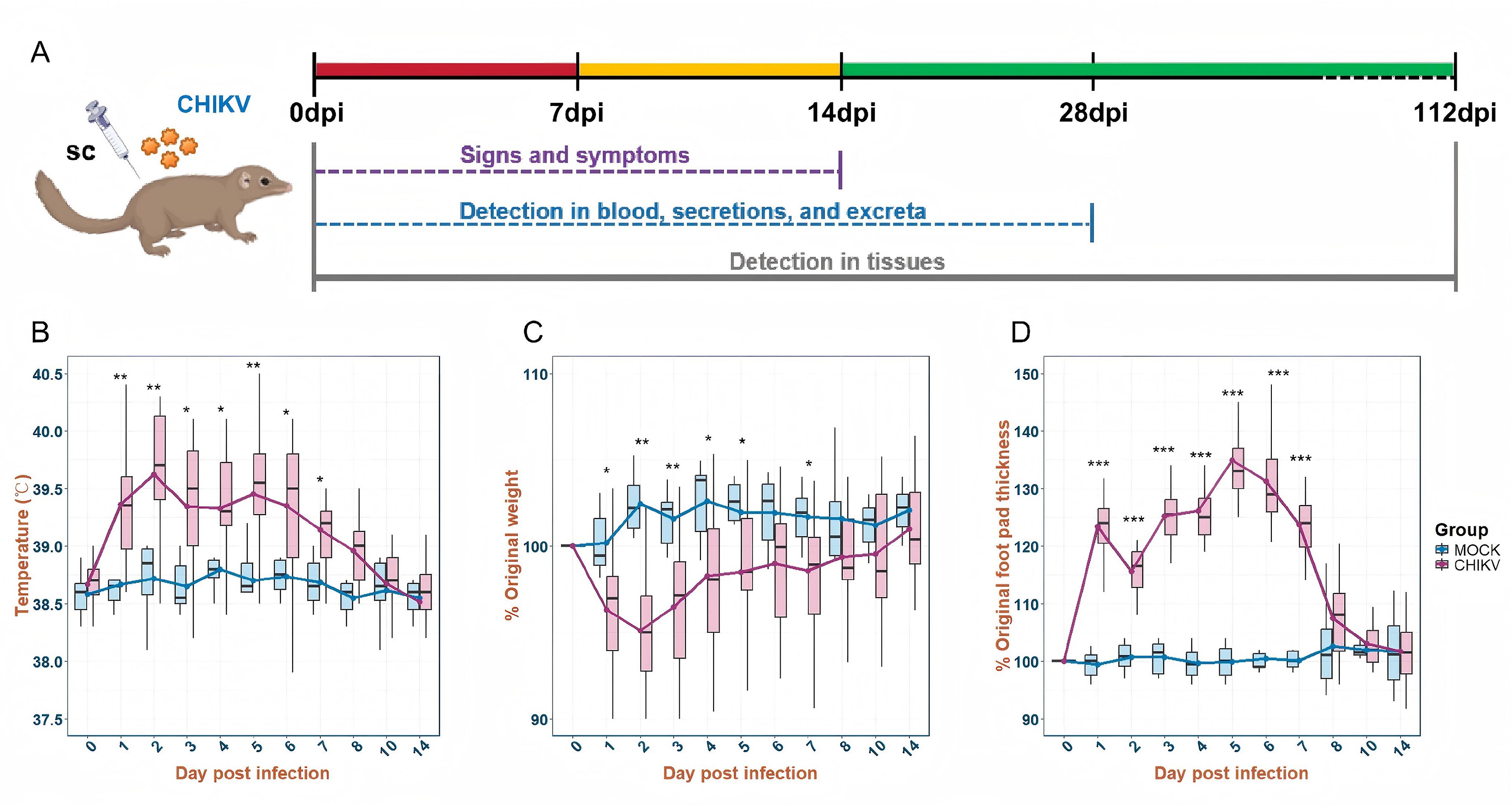
Chikungunya virus (CHIKV) infection in humans is typically characterized by acute febrile illness, rash, and polyarthralgia, and often progresses to chronic arthralgia. However, existing small-animal models fail to capture both the acute and chronic phases of the disease. In this study, we compared Chinese tree shrews (Tupaia belangeri) and C57BL/6 mice in terms of infection dynamics, viral characteristics, histopathological changes, and immune responses. Following dual-site inoculation (subcutaneous injection into the abdomen and footpad), Tupaia belangeri exhibited typical symptoms that more closely resembled those of humans, including pronounced fever, foot swelling, and skin lesions, and were accompanied by higher and more sustained viral loads in blood and multiple tissues. Histopathological examination revealed marked inflammation and tissue damage in muscle and joint tissues, consistent with pathological changes observed in humans. Transcriptomic analysis further demonstrated significant upregulation of multiple key immune-related genes (CXCL10, ISG15, IFIT3, SERPING1, MCEMP1, IFI6), indicating a human-like immune response profile. Collectively, our results show that Tupaia belangeri faithfully mirrors the infection features, viral dynamics, and immune responses of human CHIKV infection, establishing it as a valuable model for dissecting disease mechanisms and testing vaccines or antiviral therapies.
2026, 41(4): 766-778.
doi: 10.1016/j.virs.2026.06.013
Received: 03 March 2026
Accepted: 29 June 2026
Published: 02 July 2026
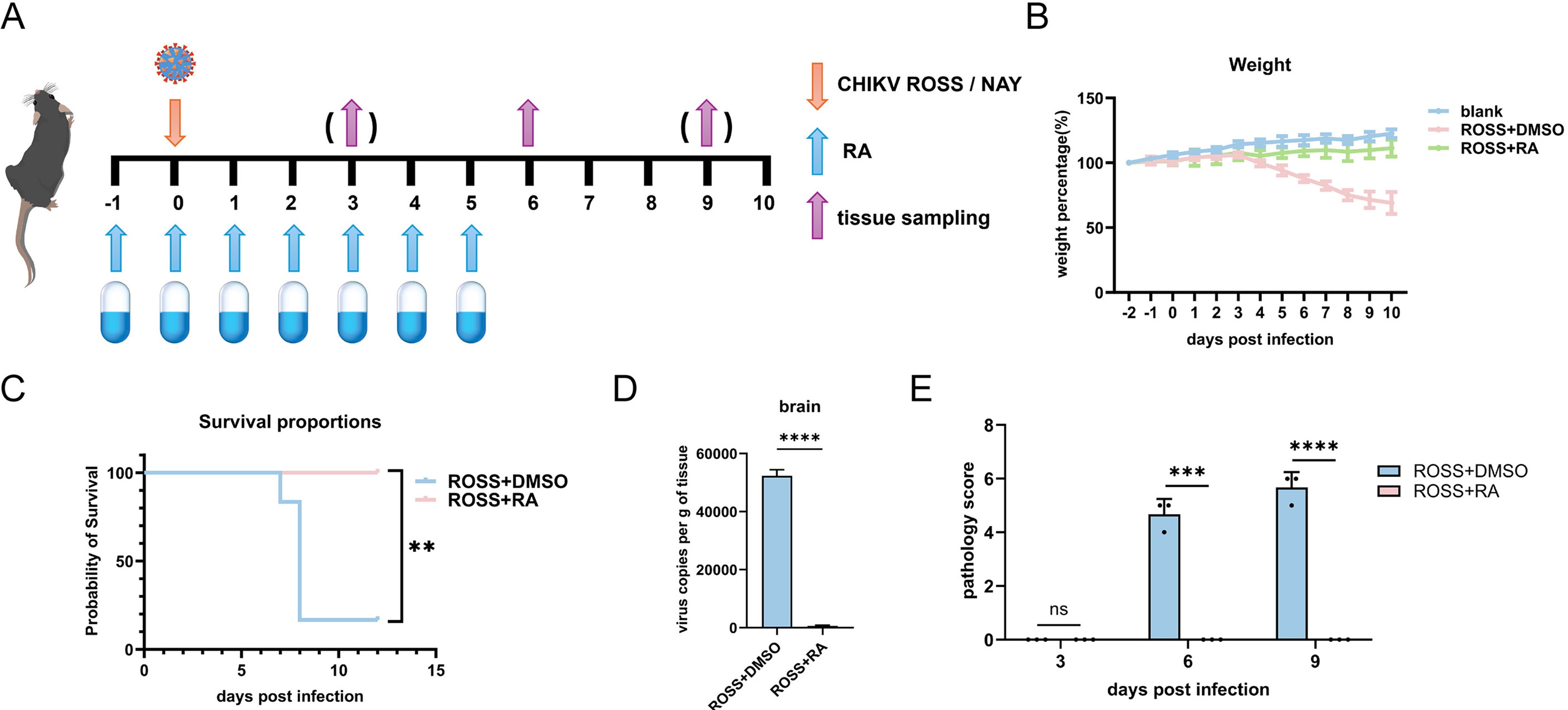
Chikungunya virus (CHIKV), a mosquito-borne alphavirus, causes debilitating febrile and arthritic disease and remains a persistent public health threat in tropical and subtropical regions, with no clinically approved antiviral drugs currently available, which underscores the urgent need for targeted and effective therapeutic interventions. Through high-throughput screening of an FDA-approved compound library, we identified retinoic acid (RA) as a broad-spectrum inhibitor of multiple arboviruses, exhibiting potent activity against CHIKV. Time-of-addition experiments, together with assays on viral binding, endocytosis, membrane fusion, replication and translation, were performed to determine the specific lifecycle stages inhibited by RA. Notably, RA exerts anti-CHIKV effects by selectively targeting eukaryotic translation initiation factor 4B (EIF4B), thereby disrupting the viral translation, as revealed by limited proteolysis-mass spectrometry (LiP-MS). And, our results demonstrated that RA administration exerted potent protective effects against CHIKV infection in vivo. Specifically, RA significantly reduced cerebral pathological damage, relieved clinical manifestations, and enhanced survival in a murine model of CHIKV-induced encephalitis, while also markedly attenuating footpad swelling and joint pathological alterations in a CHIKV-induced arthritis mouse model. Collectively, our findings highlight RA as a promising anti-CHIKV candidate targeting EIF4B, supporting its further development as a therapeutic agent against CHIKV infection.
2026, 41(4): 779-790.
doi: 10.1016/j.virs.2026.08.005
Received: 30 April 2026
Accepted: 06 August 2026
Published: 10 August 2026
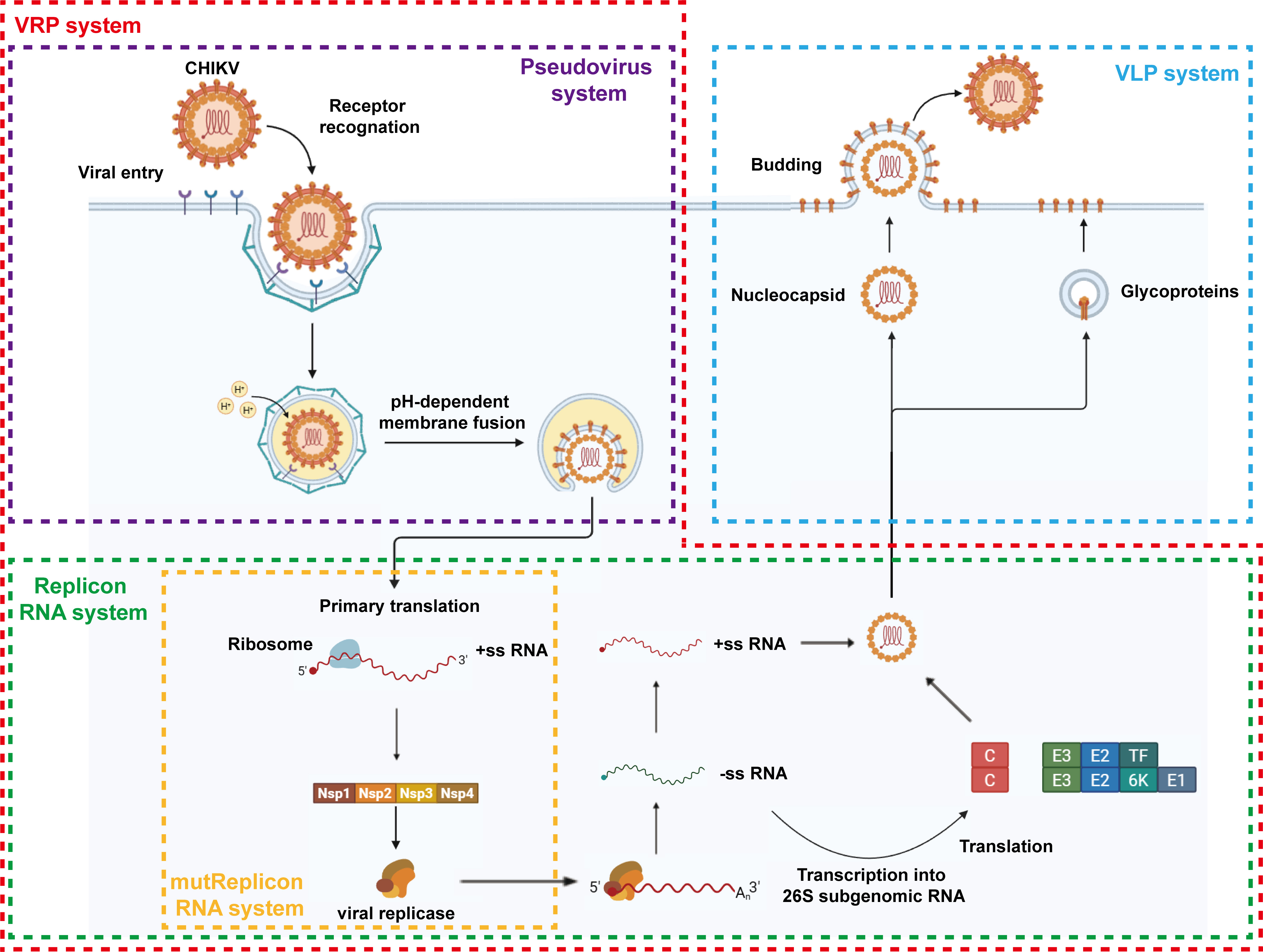
Chikungunya virus (CHIKV) is a re-emerging mosquito-borne alphavirus for which no specific antiviral therapy is currently available. During the large outbreak in Foshan, Guangdong Province, China, in July 2025, CHIKV rapidly spread to neighboring regions and caused more than 16,000 confirmed cases. In this study, the predominant outbreak strain of CHIKV was selected as the reference sequence to establish a panel of complementary biosafe tools for antiviral compound screening and mechanistic investigation. A virus replicon particle (VRP) system for CHIKV was first constructed and applied to compound library screening, resulting in the identification of three candidate antiviral compounds: MDL-12330A, bazedoxifene acetate, and anidulafungin. To further validate their antiviral activities and investigate their potential mechanisms, CHIKV functional evaluation systems were subsequently established, including vesicular stomatitis virus (VSV)- and murine leukemia virus (MLV)-based pseudovirus systems for viral entry, a replicon RNA system for post-entry replication-associated processes, a replication-defective nsP4 mutant replicon RNA system for primary translation, and a virus-like particle (VLP) system for viral particle assembly and budding assessment. Using these complementary systems, we systematically evaluated the antiviral profiles of the three candidate compounds across multiple stages of the CHIKV life cycle. This analysis revealed distinct stage-specific inhibitory patterns and provided insights into their potential antiviral mechanisms, which warrant validation using authentic CHIKV infection to assess their translational potential.

2026, 41(4): 791-805.
doi: 10.1016/j.virs.2026.08.010
Received: 13 April 2026
Accepted: 10 August 2026
Published: 12 August 2026
Gastric cancer (GC) is a prevalent malignancy worldwide, yet effective early diagnostic tools remain lacking, and the role of the virome, a key component of the tumor microenvironment, in GC progression is largely unknown. This study aimed to characterize the virome landscapes in peripheral blood and feces of GC patients versus healthy controls, and to identify viral signatures associated with GC onset and metastasis. We performed viral metagenomic sequencing on pooled libraries from 100 GC patients (45 non-metastatic, 55 metastatic) and 50 healthy controls, followed by taxonomic annotation, diversity assessment, LEfSe differential abundance testing, and co-occurrence network analysis. In blood, the GC virome shifted from a bacteriophage-dominated profile in controls to one overwhelmingly dominated by Anelloviridae (> 80%), with significantly decreased alpha diversity. In contrast, the gut virome of GC patients showed increased alpha diversity and coexistence of diverse bacteriophages. LEfSe identified betatorquevirus in blood as a key discriminatory taxon for GC. Network analysis revealed negative correlations between Anelloviridae and multiple bacteriophage families, suggesting niche competition. We also discovered 67 provisional novel anellovirus species and one novel gemykibivirus in GC patient blood. Collectively, our findings indicate that GC is associated with compartment-specific virome remodeling in blood and gut, and that expansion of blood anelloviruses holds promise as a non-invasive biomarker. This study provides a foundational resource for understanding the virome's role in GC.
2026, 41(4): 806-819.
doi: 10.1016/j.virs.2026.07.008
Received: 24 March 2026
Accepted: 17 July 2026
Published: 27 July 2026
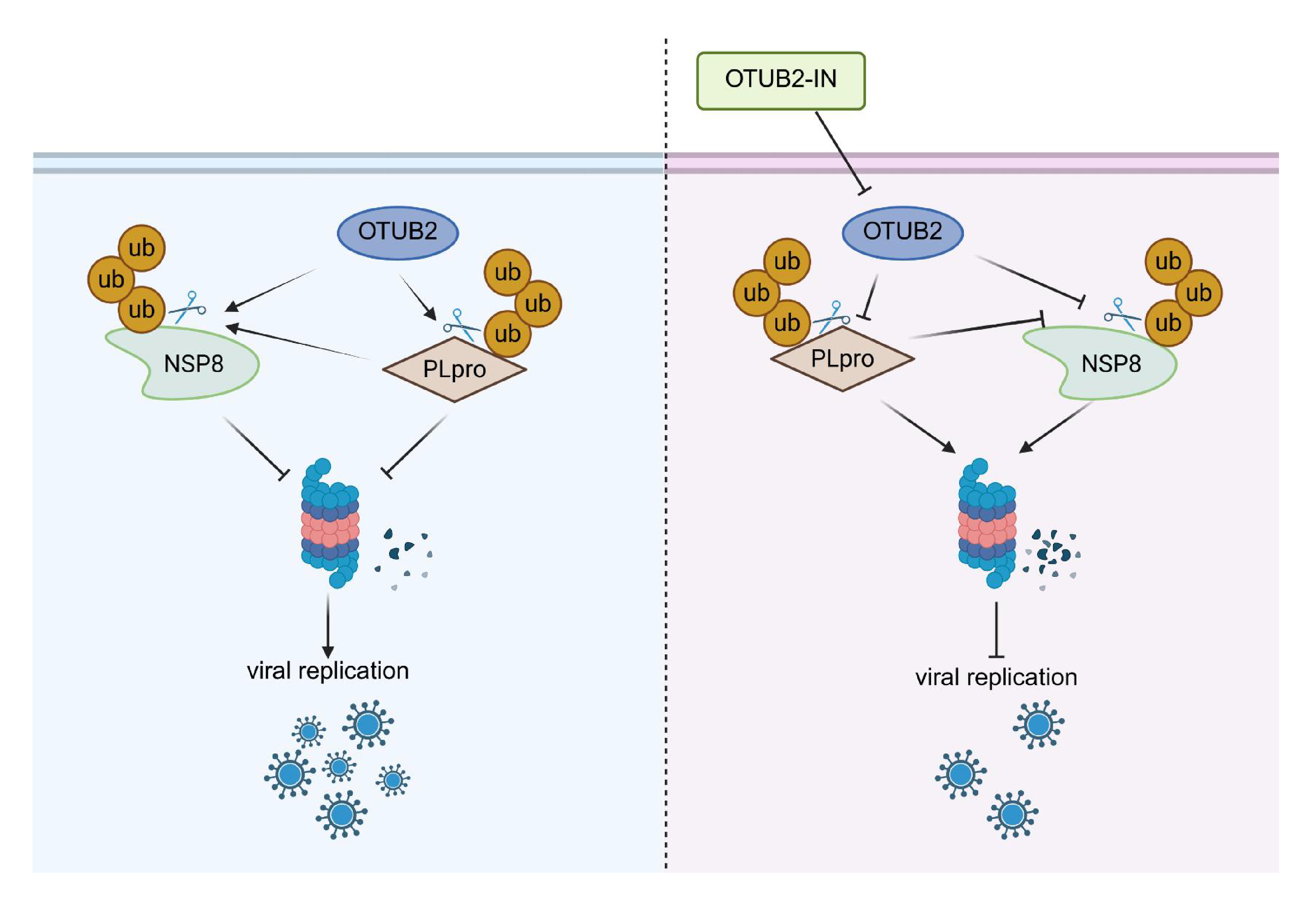
The ubiquitin-proteasome system (UPS) plays a central role in antiviral defense but is also frequently hijacked by viruses to facilitate their replication. Here, we demonstrate that the host deubiquitinase OTUB2 stabilizes the viral replication factor NSP8 of severe acute respiratory syndrome coronavirus 2 (SARS-CoV-2) through a dual-track mechanism. OTUB2 directly removes polyubiquitin chains from NSP8 to prevent its degradation. In parallel, OTUB2 stabilizes the viral papain-like protease (PLpro), which further promotes NSP8 stability through deubiquitination. Together, these effects preserve the functional integrity of the viral replication-transcription complex. Mechanistically, OTUB2-mediated stabilization of NSP8 potentiates NSP8-dependent suppression of type I interferon signaling, thereby promoting viral replication and immune evasion. Importantly, inhibition of OTUB2 disrupts OTUB2-mediated stabilization of NSP8 and PLpro, resulting in a marked reduction in viral replication and disease severity in cell culture systems and a hamster infection model. Collectively, our findings reveal a previously unrecognized mechanism by which SARS-CoV-2 utilizes the host deubiquitination system to stabilize its replication machinery and identify OTUB2 as a potential target for host-directed antiviral intervention.
2026, 41(4): 820-831.
doi: 10.1016/j.virs.2026.07.011
Received: 17 January 2026
Accepted: 28 July 2026
Published: 30 July 2026
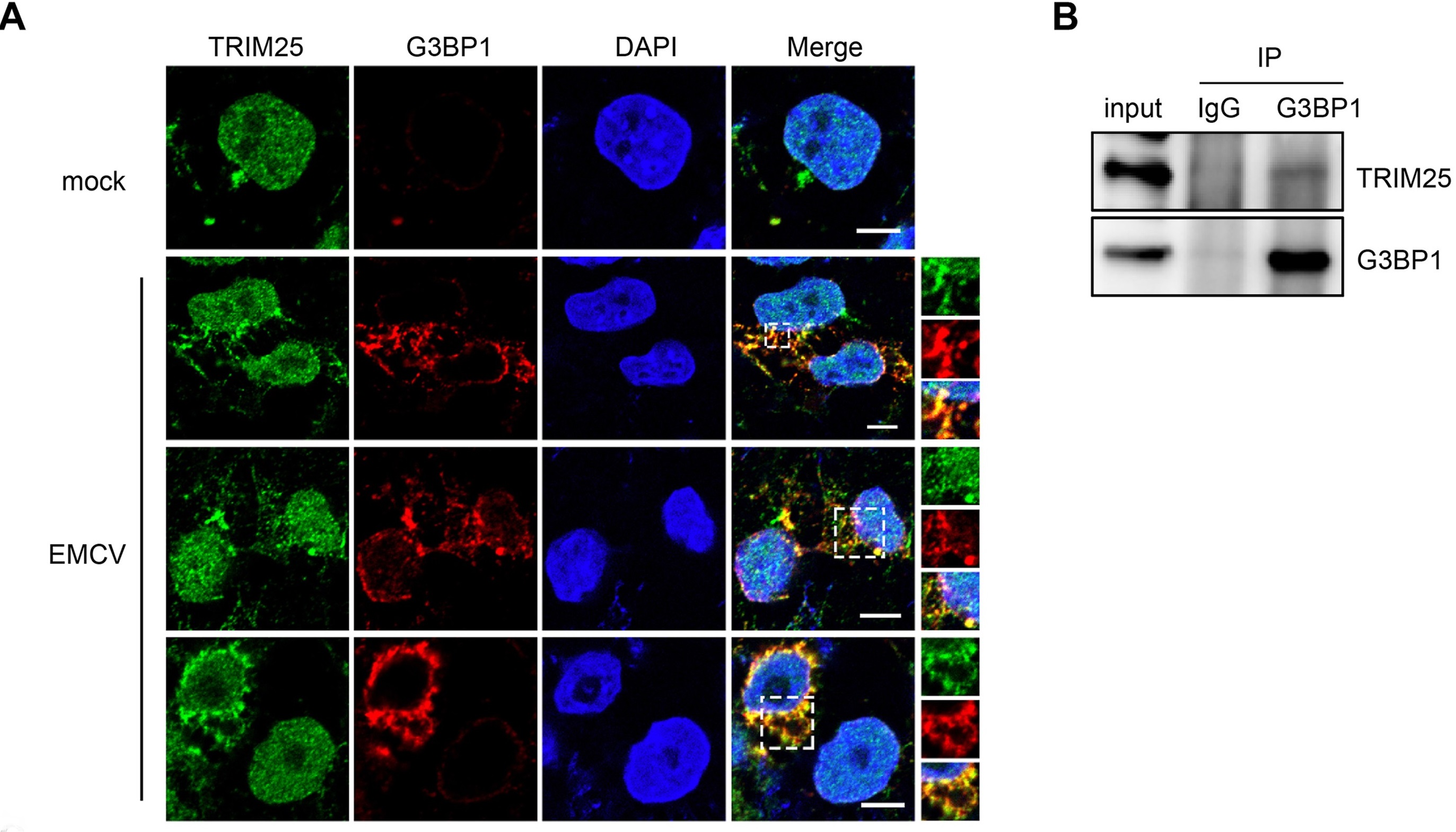
Mammalian embryonic stem cells (ESCs), despite lacking functional interferon (IFN) signaling, are remarkably resistant to viral infection. However, the mechanistic basis of their antiviral defenses remains incompletely characterized. In this study, we investigated the antiviral functional role and molecular mechanism of tripartite motif-containing protein 25 (TRIM25), a well-known key driver of IFN-dependent innate immunity, in IFN-deficient mouse ESCs (mESCs). TRIM25 exhibited a broad spectrum of antiviral activity in mESCs. RNAi depletion or CRISPR-mediated knockout of TRIM25 markedly enhanced the replication and propagation of both encephalomyocarditis virus (EMCV) and vesicular stomatitis virus (VSV). Mechanistically, the antiviral activity of TRIM25 in mESCs is independent of both IFN production and constitutive ISG expression. In virus-infected mESCs, TRIM25 translocated from the nucleus to the cytoplasm and directly bound viral RNA, where it formed cytoplasmic condensates with GTPase-activating protein-binding protein 1 (G3BP1) that colocalized with dsRNA foci. Genetic perturbation of G3BP1 similarly compromised the antiviral defenses of mESCs, revealing an essential synergism between TRIM25 and stress granule components in restricting viral replication. Our study identifies TRIM25 as a pivotal RNA-sensing effector in ESCs, delineating a previously unrecognized IFN-independent axis of intrinsic immunity that bridges viral RNA surveillance with stress granule-mediated suppression, thereby expanding the paradigm of pluripotent cell-autonomous antiviral strategies.

2026, 41(4): 832-841.
doi: 10.1016/j.virs.2026.07.012
Received: 26 December 2025
Accepted: 28 July 2026
Published: 31 July 2026
The Crimean-Congo hemorrhagic fever virus (CCHFV) poses a significant public health threat. In China, CCHFV has been circulating for decades, yet the genomic diversity and pathogenic potential of the circulating strains remain poorly characterized, hindering risk assessment and countermeasure development. In this study, we recovered 24 historical CCHFV strains isolated between 1966 and 2004 from humans, ticks and jerboas in Xinjiang Uyghur Autonomous Region of China. Whole-genome sequencing was performed, followed by comprehensive analyses of their phylogenetic relationships, in vitro infectivity and in vivo pathogenicity. Phylogenetic analyses revealed high genetic heterogeneity, identifying seven genotypes for the L segment, nine for the M segment (including a novel Asia 4 genotype), and nine for the S segment. Amino acid mutation analysis revealed that the mucin-like domain (MLD) of the glycoprotein (GP) exhibited the highest mutation rate, contributing substantially to sequence diversity. In vitro, Asia 2 (75024) and Asia 3 (79121M18) strains exhibited robust replication in monkey-, hamster-, and human-derived cell lines. In C57BL/6 mice, all four representative strains induced viral replication and specific antibody responses (IgM and IgG), causing mild to moderate pathological damage in the liver, spleen, and kidneys. In IFNAR-/- mice, virulence varied markedly among representative strains: Asia 2 and Asia 3 strains were highly lethal (LD50 < 1 TCID50), Asia 1 was moderately virulent (LD50 = 142.5 TCID50), and Asia 4 exhibited atypical, non-dose-dependent mortality. Collectively, our work reports a novel Asia 4 genotype and suggests strain- and lineage-associated differences in virulence for CCHFV in China, providing critical insights for surveillance and targeted countermeasure development.
2026, 41(4): 842-854.
doi: 10.1016/j.virs.2026.08.006
Received: 01 April 2026
Accepted: 06 August 2026
Published: 10 August 2026
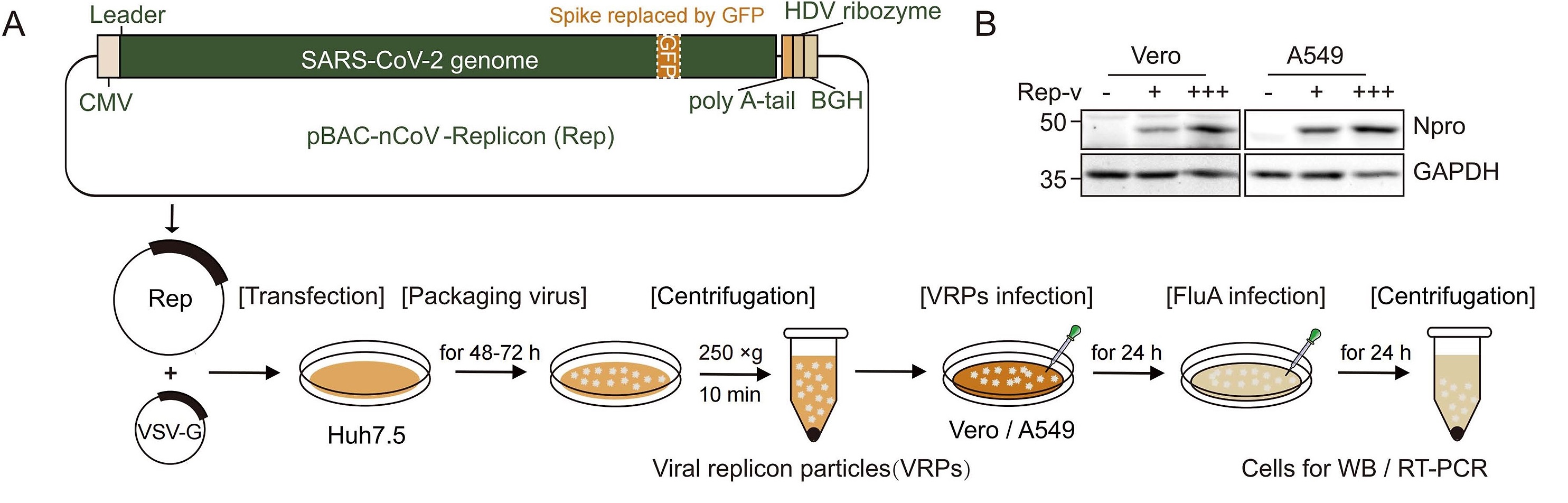
The co-circulation of multiple viruses can lead to distinct pathological outcomes, yet how severe acute respiratory syndrome coronavirus 2 (SARS-CoV-2) infection influences other viral infections remains poorly understood, despite its documented high frequency during the pandemic. In this study, we investigated how the proteolytic activity of SARS-CoV-2 3C-like protease (3CLpro) influences the replication of influenza A virus. In silico analysis identified candidate 3CLpro cleavage sites across numerous viral proteins, and biochemical assays confirmed that 3CLpro catalyzes the degradation of influenza virus nucleoprotein (NP) and polymerase acidic protein (PA) in a manner requiring its protease activity. This degradation of NP and PA, which are essential for viral genome packaging and transcription, disrupted the influenza replicative cycle and suppressed viral replication, both upon ectopic 3CLpro expression and during SARS-CoV-2 infection. Our data uncover a direct, enzyme-based mechanism by which SARS-CoV-2 can suppress influenza virus replication during coinfection. We provide a molecular explanation for the sharp, global decline in influenza activity observed during the COVID-19 pandemic and illustrate how enzymatic weapons of one virus can be repurposed to restrain a competing pathogen.
2026, 41(4): 855-867.
doi: 10.1016/j.virs.2026.08.003
Received: 11 March 2026
Accepted: 04 August 2026
Published: 11 August 2026
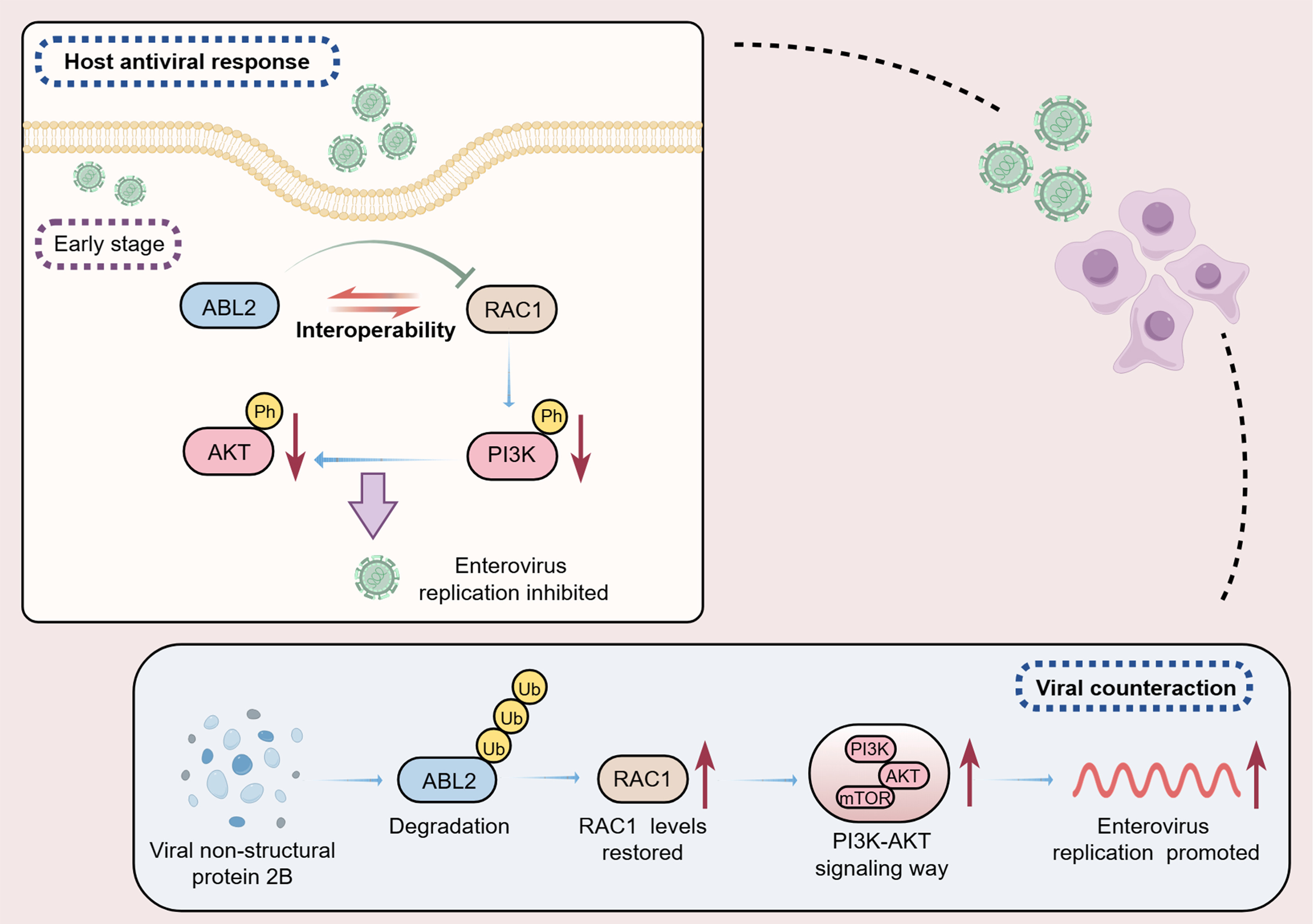
Enteroviruses, including Coxsackievirus B3 (CVB3), are significant human pathogens that cause severe diseases, such as viral myocarditis, pancreatitis, and encephalitis. ABL proto-oncogene 2 (ABL2), a non-receptor tyrosine-protein kinase, regulates diverse physiological processes and participates in virus infection; however, its role in enterovirus infection remains uncharacterized. Here, we demonstrate a novel host-virus interaction: enteroviruses degrade ABL2 via the ubiquitin-proteasome system through their non-structural protein 2B. Furthermore, ABL2 functions as an antiviral restriction factor during enterovirus infection, specifically inhibiting the early stages of viral replication. Mechanistically, ABL2 directly interacts with RAC1, a Rho family GTPase, and downregulates RAC1 protein levels, thereby suppressing RAC1-dependent activation of the PI3K/AKT signaling pathway. In summary, our study reveals a post-translational mechanism by which enteroviruses evade host antiviral defenses, providing a rationale for therapeutic development against enteroviral diseases.
2026, 41(4): 868-881.
doi: 10.1016/j.virs.2026.08.008
Received: 07 February 2026
Accepted: 10 August 2026
Published: 12 August 2026
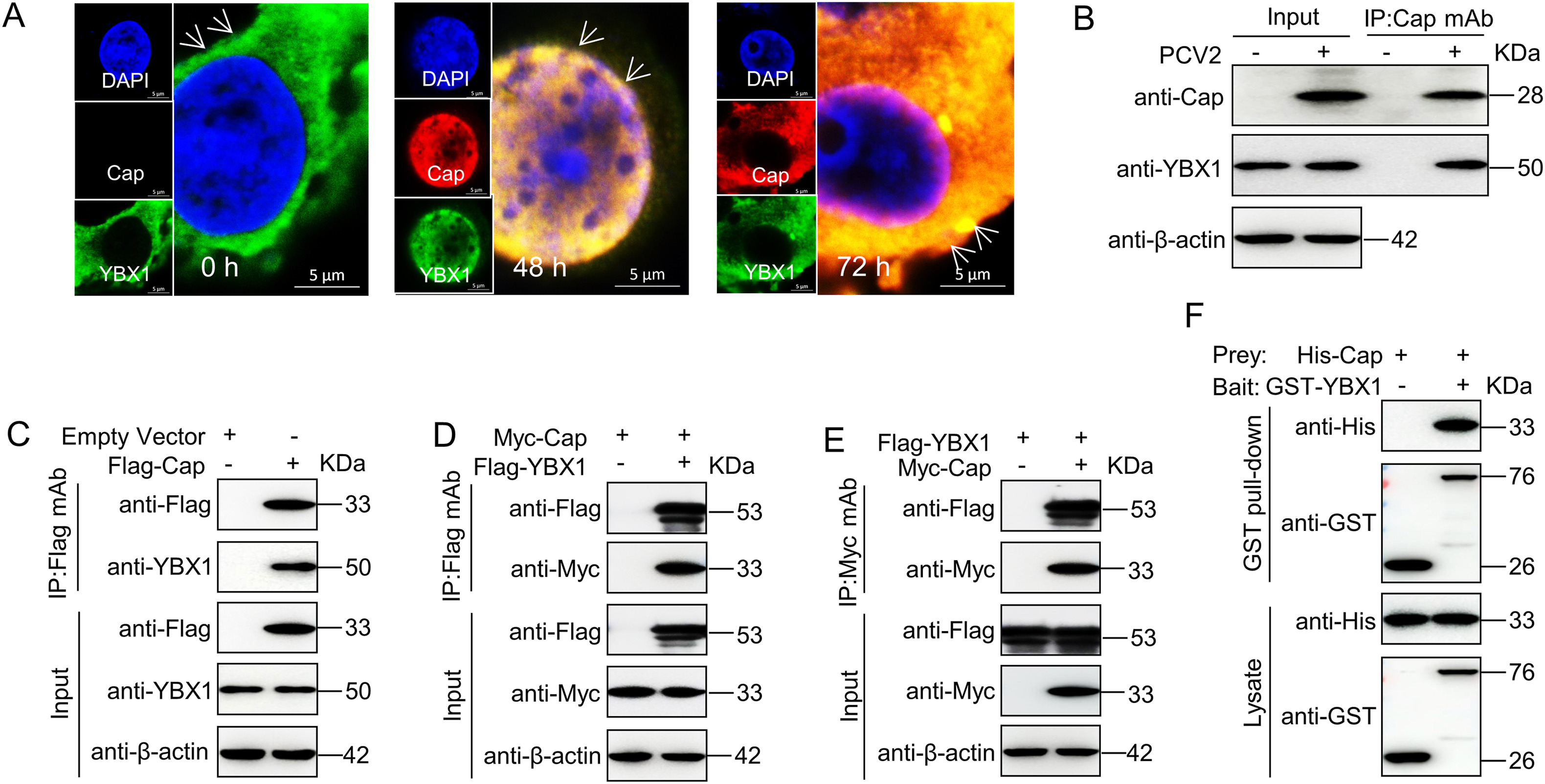
Porcine circovirus type 2 (PCV2), a major causative agent of PCV2-associated diseases, poses a serious threat to the global swine industry. The stability of PCV2 capsid (Cap) protein is critical for viral replication; however, the underlying mechanisms regulating Cap stability during PCV2 infection remain poorly understood. In this study, co-immunoprecipitation assays were used to demonstrate that PCV2 Cap protein can maintain its own stability by binding to the cellular Y-box-binding protein 1 (YBX1) during viral infection. Furthermore, binding domain mapping experiments revealed two specific regions essential for this interaction: the N-terminal arginine-rich motif (ARM) of PCV2 Cap (amino acid sequence: 1MTYPRRRYRRRRHRPRSHLG20) and the amino acid residues 189RRRR192 within the C-terminal domain (CTD) of YBX1. Virus rescue experiments further confirmed that substituting all arginine residues with alanine in the N-terminal ARM of Cap completely abolished its binding to YBX1. Analysis of viral replication capacity showed that YBX1 promotes PCV2 replication by stabilizing the viral Cap protein. Additionally, knockdown of YBX1 significantly reduced the protein levels of PCV2 Cap, and this effect was reversed either by treatment with the proteasome inhibitor MG132 or by restoring YBX1 expression. Collectively, these findings demonstrate that YBX1 promotes PCV2 replication by directly interacting with the ARM of PCV2 Cap, thereby inhibiting the proteasomal degradation of Cap during viral infection.
2026, 41(4): 882-897.
doi: 10.1016/j.virs.2026.07.002
Received: 20 May 2026
Accepted: 06 July 2026
Published: 08 July 2026
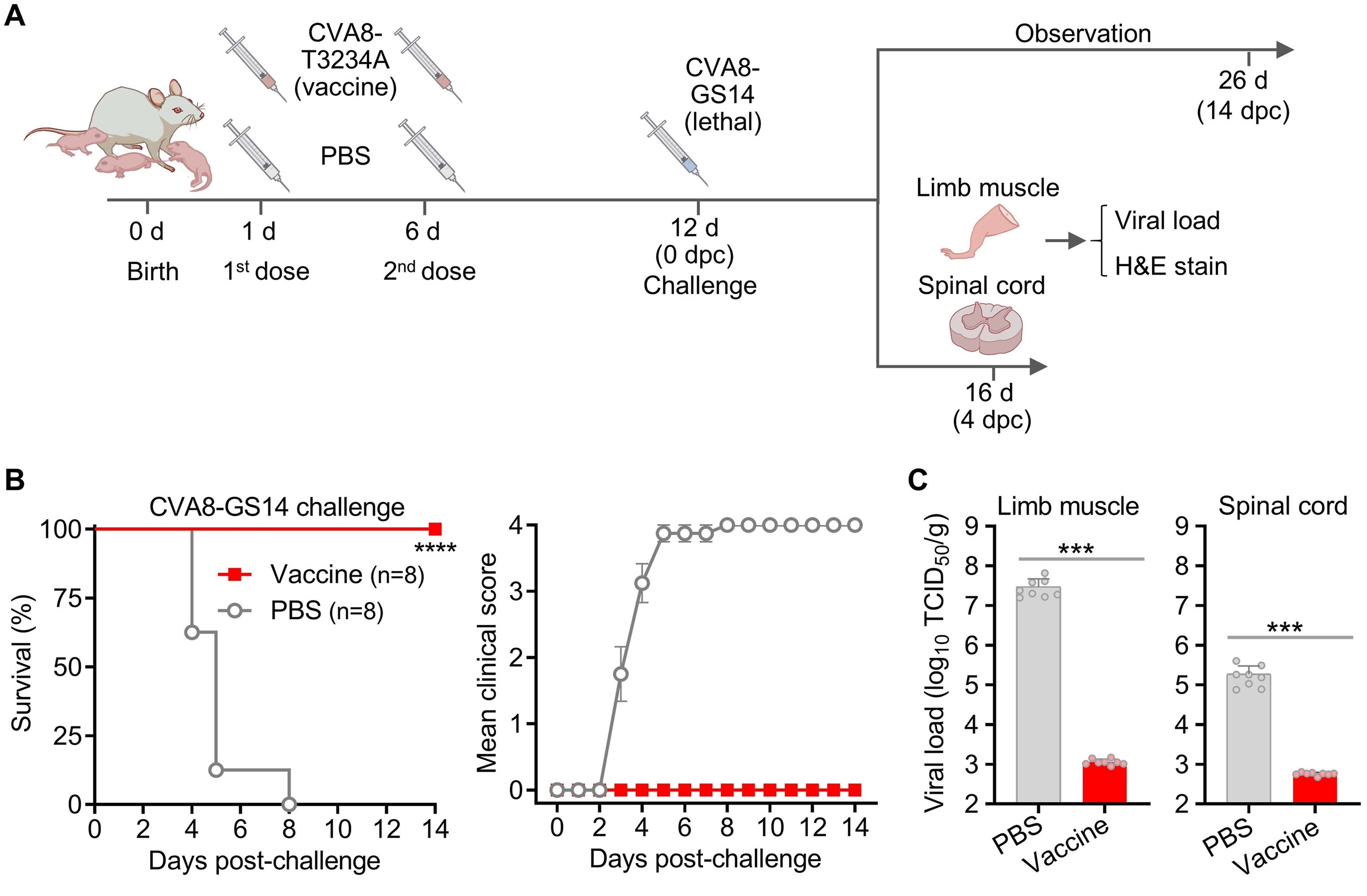
Coxsackievirus A10 (CVA10) is a major causative agent of hand, foot and mouth disease and utilizes KREMEN1 (KRM1) as its cellular receptor. While our previous work identifies VP2 residue K140 as a universal anchor for KRM1 binding among KRM1-utilizing enteroviruses, the functional significance of other receptor-interface residues remains poorly characterized. Here, through structure-guided mutagenesis, we demonstrate that VP3-T234, a completely conserved residue at the C-terminus of VP3, is essential for CVA10 infectivity. The T234A mutation does not affect virion assembly but abolishes both KRM1 binding and cellular attachment. Interestingly, this requirement shows remarkable virus specificity: the homologous residue is critical for CVA8, but is not required for other KRM1-utilizing enteroviruses including CVA2-CVA6 and CVA12. The T234A mutation significantly attenuates the pathogenesis of both CVA10 and CVA8 in neonatal mice. Moreover, the CVA8-T234A mutant provides complete protection as an attenuated vaccine against lethal CVA8 challenge. Our findings establish a model wherein KRM1 engagement relies on the conserved VP2-K140 anchor complemented by virus-specific secondary residues, with VP3-T234 representing a key determinant for CVA10 and CVA8. These insights advance our understanding of enterovirus-receptor interactions and provide new directions for vaccine development.
2026, 41(4): 898-911.
doi: 10.1016/j.virs.2026.08.007
Received: 25 April 2026
Accepted: 07 August 2026
Published: 10 August 2026
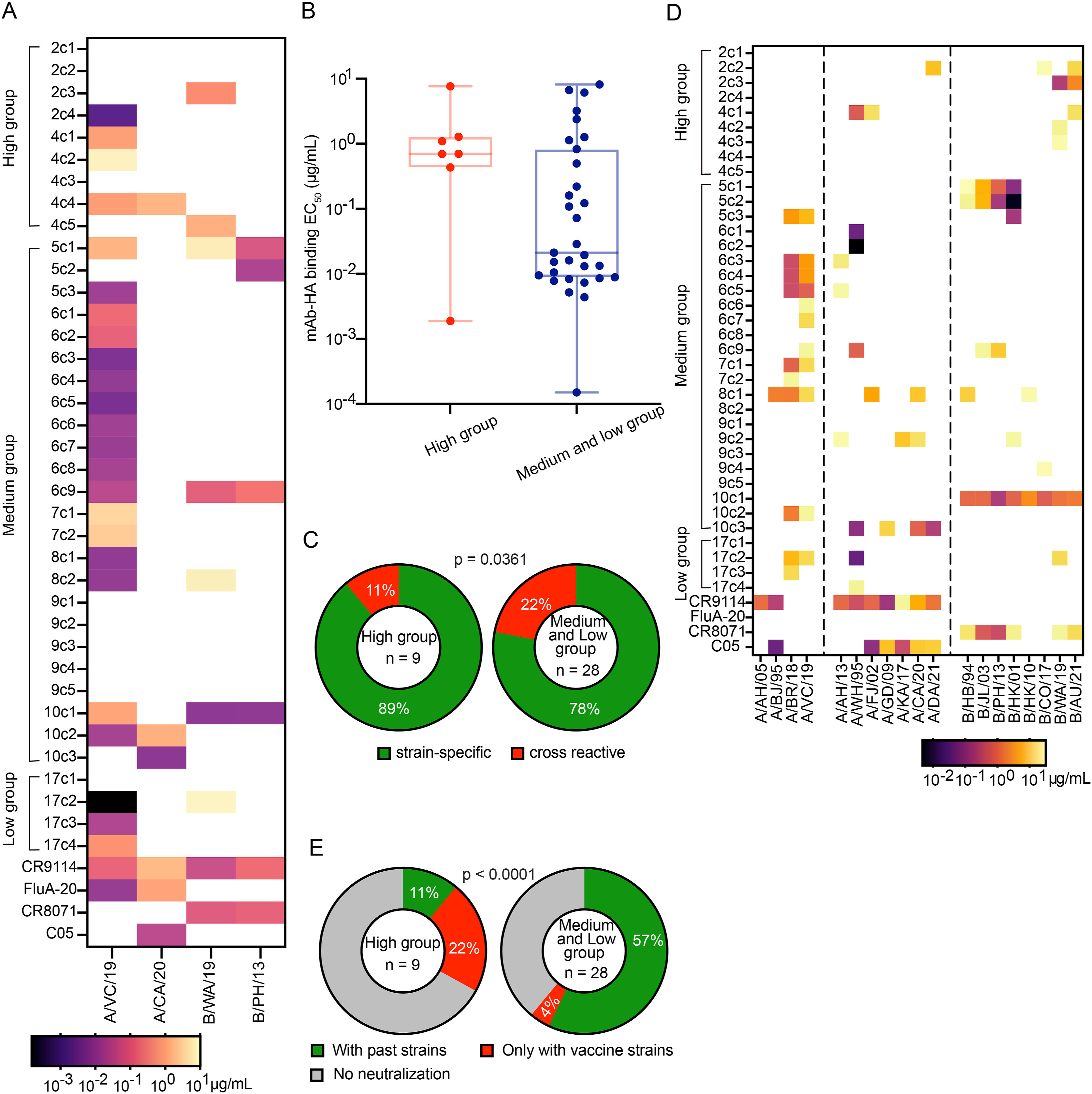
Repeated influenza exposures generate complex antibody landscapes, yet how pre-existing antibodies are associated with subsequent vaccine responses remains unclear. We longitudinally tracked 21 adults stratified by pre-vaccination neutralizing titers to examine B-cell dynamics using flow cytometry, B cell receptor (BCR) sequencing, and monoclonal antibody characterization. After vaccination, participants with high baseline titers showed a longitudinal increase in the frequency of HA+CD27-IgD+ naive-phenotype B cells. BCRs recovered from hemagglutinin (HA)-binding (HA+) B cells in the high-titer group displayed lower somatic hypermutation and shorter CDR3s, whereas those recovered from the lower-titer groups showed higher mutation levels and more extensive class switching. Correspondingly, monoclonal antibodies from the high-titer group generally showed narrow reactivity, while those from lower-titer groups showed broader neutralizing activity against historical strains. Clonal tracing further suggested that mAbs from lower-titer groups were more often linked to pre-existing sequences. Together, these findings suggest that pre-existing antibody levels are associated with differences in B-cell repertoire maturation and antibody breadth after influenza vaccination.
2026, 41(4): 912-922.
doi: 10.1016/j.virs.2026.07.003
Received: 15 April 2026
Accepted: 07 July 2026
Published: 09 July 2026
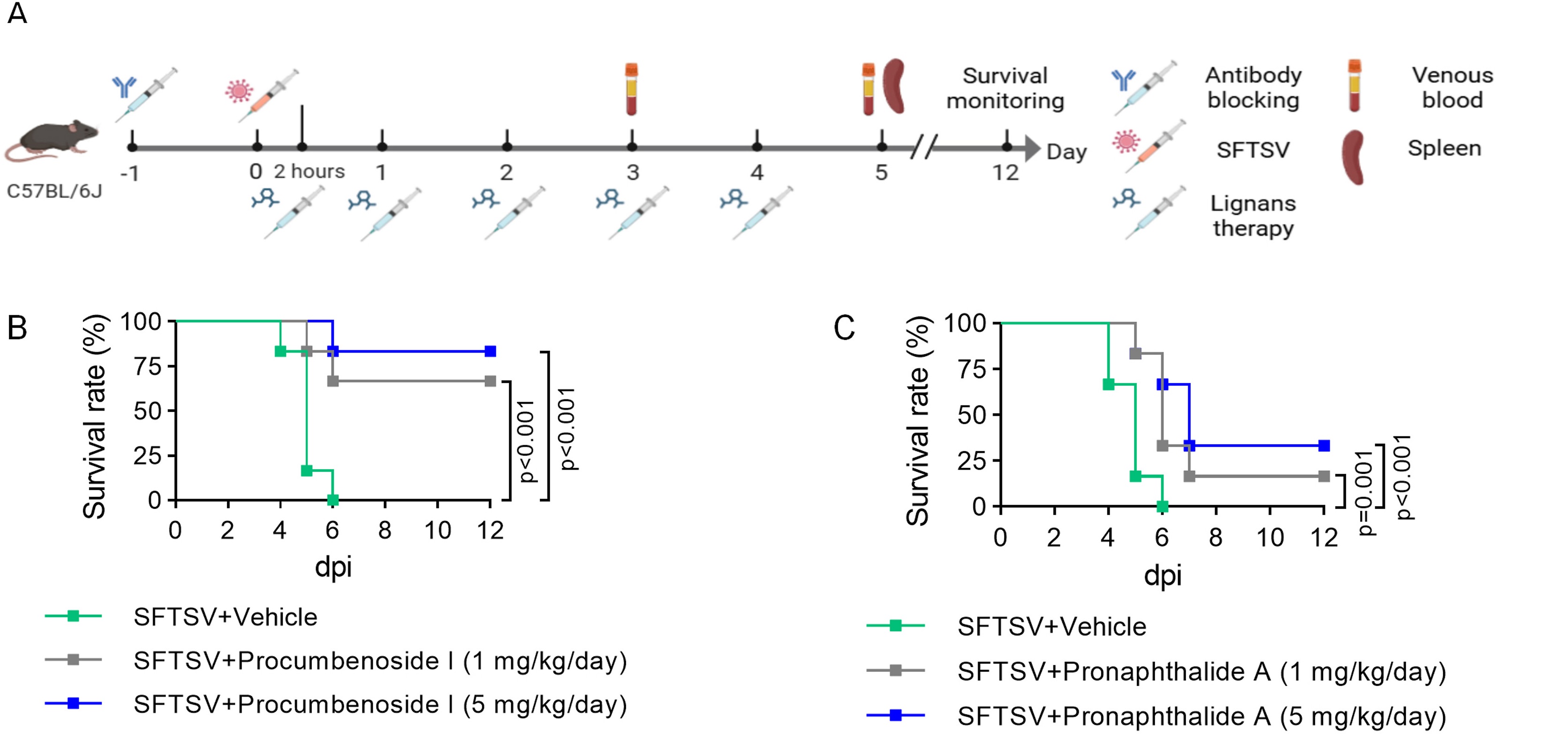
Severe fever with thrombocytopenia syndrome virus (SFTSV) is an emerging tick-borne bunyavirus that causes a life-threatening infectious disease with high mortality. Currently, there are no approved vaccines or specific therapeutic drugs for clinical use against SFTSV infection. Here, we screened a lignan compound library to identify candidates with anti-SFTSV activity. Two type I arylnaphthalide lignan lactones, Pronaphthalide A and Procumbenoside I, were identified as potent inhibitors of SFTSV infection. Mechanistic investigations indicated that these lignans exert their inhibitory effects at the viral binding and internalization stages. Molecular docking analysis revealed that these lignans can bind to the conserved B domain of the SFTSV glycoprotein Gn, an interaction validated by subsequent experiments as the core mechanism underlying their antiviral activity. In a mouse model of lethal SFTSV infection, treatment with these compounds, particularly Procumbenoside I, significantly inhibited viral infection, attenuated histopathological abnormalities, and improved survival rates. The antiviral activity of these lignans was further expanded to other bunyaviruses, including Lymphocytic choriomeningitis virus (LCMV) and Wetland virus (WELV). These findings uncover the broad-spectrum antiviral activity of type I arylnaphthalide lignans and support their potential as candidate therapeutic agents for the clinical intervention of bunyavirus infections.
2026, 41(4): 923-936.
doi: 10.1016/j.virs.2026.07.009
Received: 23 June 2026
Accepted: 17 July 2026
Published: 23 July 2026
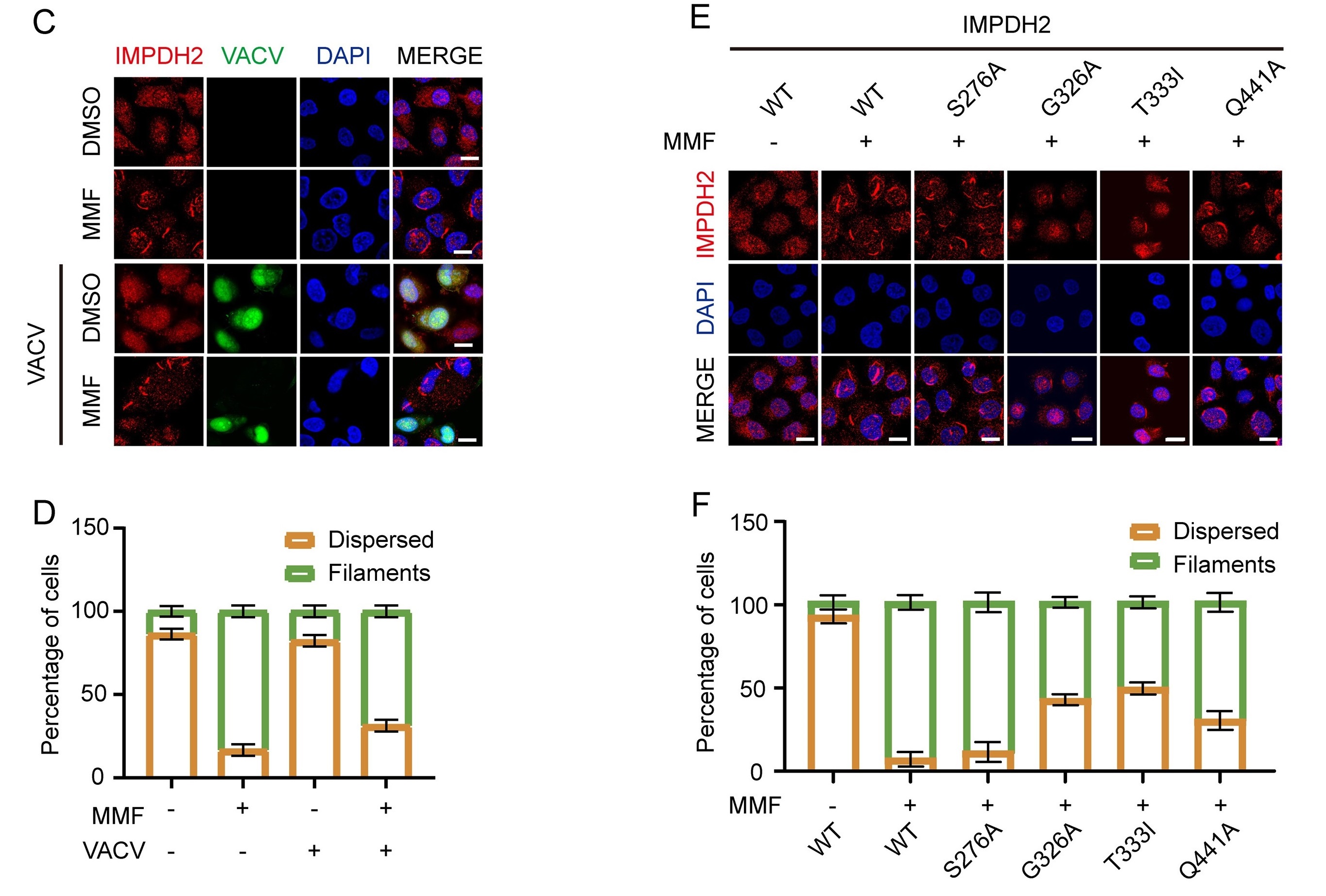
Monkeypox virus (MPXV), a pathogenic orthopoxvirus, has caused major outbreaks and emerged as a global public health threat. Although antivirals approved for smallpox are used therapeutically against monkeypox, their clinical utility is limited by drug availability and emerging resistance. The conserved strategy by which viruses remodel host nucleotide metabolism to secure biosynthetic precursors for replication and spread has emerged as a pivotal target for the development of broad-spectrum antiviral therapeutics. In this study, leveraging the high genetic and biological similarity between vaccinia virus (VACV) and MPXV, we employed VACV as a surrogate model to screen 10 FDA-approved inhibitors targeting nucleotide metabolism enzymes, aiming to identify potential novel inhibitors against MPXV. Mycophenolate mofetil (MMF), an inosine 5'-monophosphate dehydrogenase type II (IMPDH2) inhibitor, displayed potent inhibition effects against both VACV and MPXV. Subsequent downstream time-course studies revealed that MMF targets a post-entry stage of the viral replication cycle. Mechanistic studies suggest that MMF inhibits IMPDH2 activity by suppressing ubiquitin-specific protease 5 (USP5)-mediated deubiquitination of IMPDH2 and inducing rod-and-ring (R&R) assembly, leading to reducing dNTP pools and enhancing antiviral effects. In conclusion, our findings demonstrate that MMF is an effective antiviral drug against VACV and MPXV infection and establish a host-directed therapeutic strategy to combat future orthopoxvirus outbreaks.
2026, 41(4): 937-946.
doi: 10.1016/j.virs.2026.07.010
Received: 04 January 2026
Accepted: 28 July 2026
Published: 30 July 2026
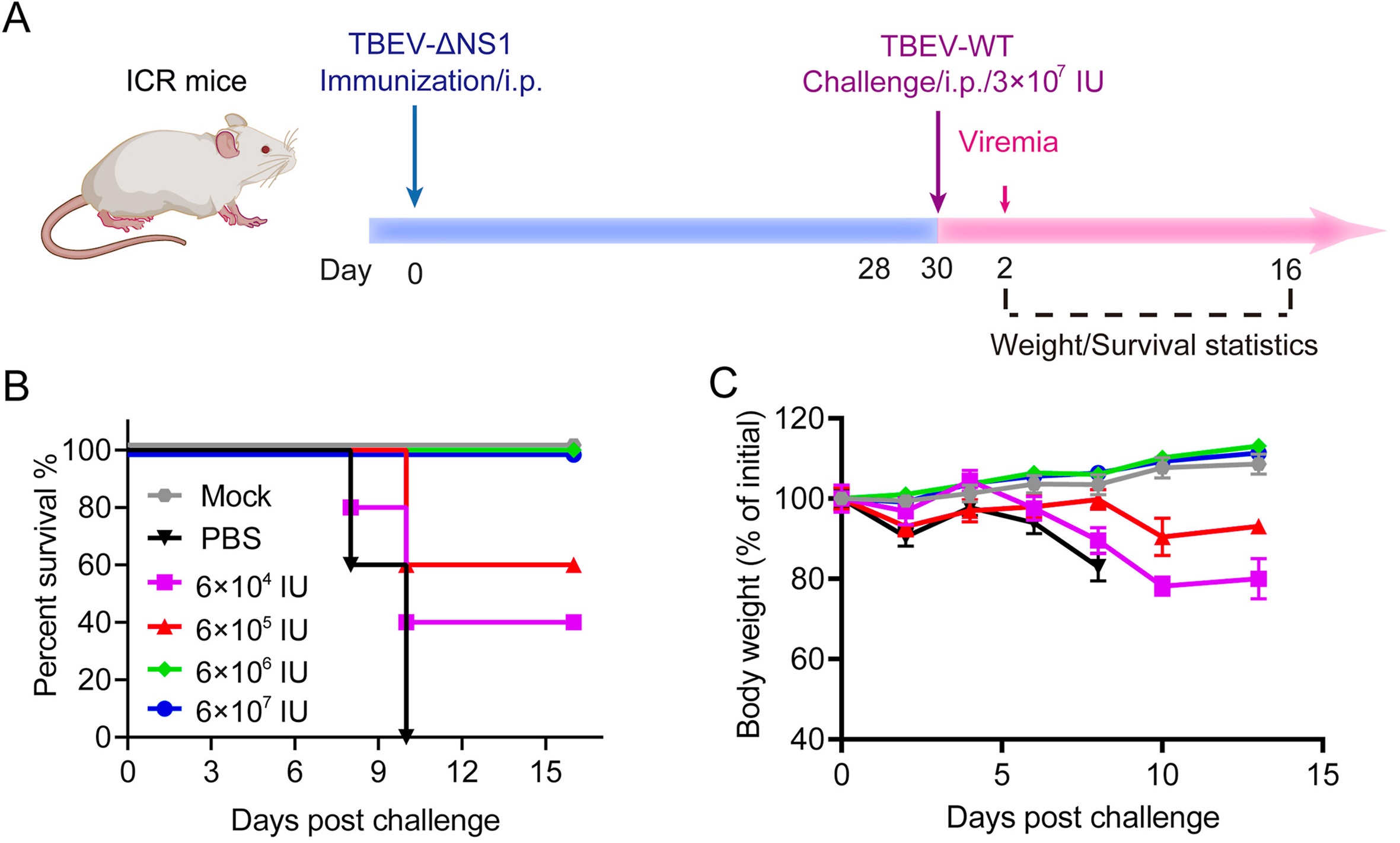
Tick-borne encephalitis virus (TBEV) poses a severe threat to public health, causing neurological disorders with high morbidity and mortality in endemic regions. Therefore, developing safe and effective strategies for TBEV vaccines has long been a focus of attention. Herein, leveraging our well-established NS1 trans-complementation platform, we successfully constructed a high-titer replication-defective TBEV (TBEV-△NS1) using the BHK-21 cell line stably expressing Omsk hemorrhagic fever virus (OHFV) NS1 (designated BHKNS1). Retention of the NS1 deletion in TBEV-△NS1 was confirmed by continuous passaging in BHKNS1 cells, as no replicative virus was detected in naive BHK-21 cells. The safety profile of TBEV-△NS1 was further validated, as administration of a high dose of TBEV-△NS1 to ICR mice did not induce any clinical symptoms. Notably, TBEV-△NS1 conferred complete protection against lethal wild-type (WT) TBEV challenge in ICR mice, whereas non-immunized control mice exhibited 100% mortality, significant weight loss, and viremia. This protective efficacy is tightly correlated with robust humoral and cellular immune responses, as demonstrated by the induction of high titers of TBEV-specific IgG, neutralizing antibodies, and IFN-γ-secreting CD8+ T cells following a single immunization. Collectively, our findings provide a proof-of-concept for the NS1 trans-complementation platform in TBEV vaccine development.
2026, 41(4): 947-960.
doi: 10.1016/j.virs.2026.08.002
Received: 26 March 2026
Accepted: 04 August 2026
Published: 06 August 2026
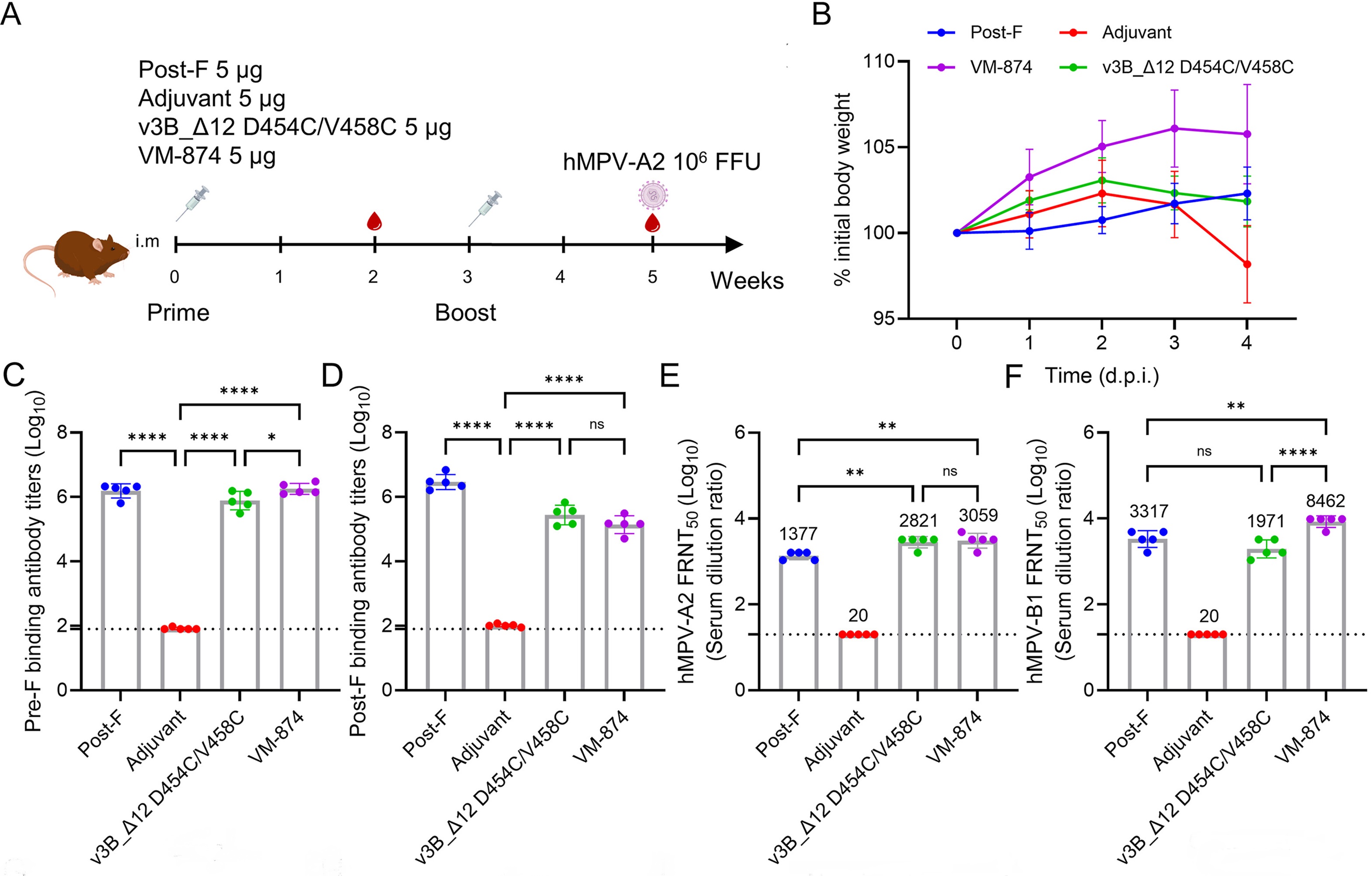
Human metapneumovirus (hMPV) is a major cause of pediatric acute lower respiratory tract infections (ALRTIs), yet vaccine development has been hindered by the intrinsic metastability of the prefusion F glycoprotein (pre-F). Here, we used a structure-based design strategy to stabilize hMPV pre-F while preserving neutralization-sensitive epitopes. By applying combined stabilizing elements, including disulfide bonds, a designed salt bridge, and a trimer-interface sequence swap, we generated VM-874, a pre-F-stabilized trimer that was expressed at high levels in 293F cells and exhibited improved thermal stability and stress-resistant antigenicity. VM-874 also retained binding to multiple conformation-sensitive monoclonal antibodies following thermal and storage stress. VM-874 elicited high serum neutralizing titers against both hMPV A2 and B1 strains and conferred protection in BALB/c mice and cotton rats, as evidenced by reduced pulmonary viral burden and attenuated lung pathology after challenge. Although VM-874 elicited antibodies that cross-bound respiratory syncytial virus (RSV) F protein, no RSV-neutralizing activity was detected, underscoring the need to distinguish cross-reactivity from heterologous protection in combined RSV/hMPV vaccine strategies.
2026, 41(4): 961-971.
doi: 10.1016/j.virs.2026.07.006
Received: 03 June 2026
Accepted: 10 July 2026
Published: 16 July 2026
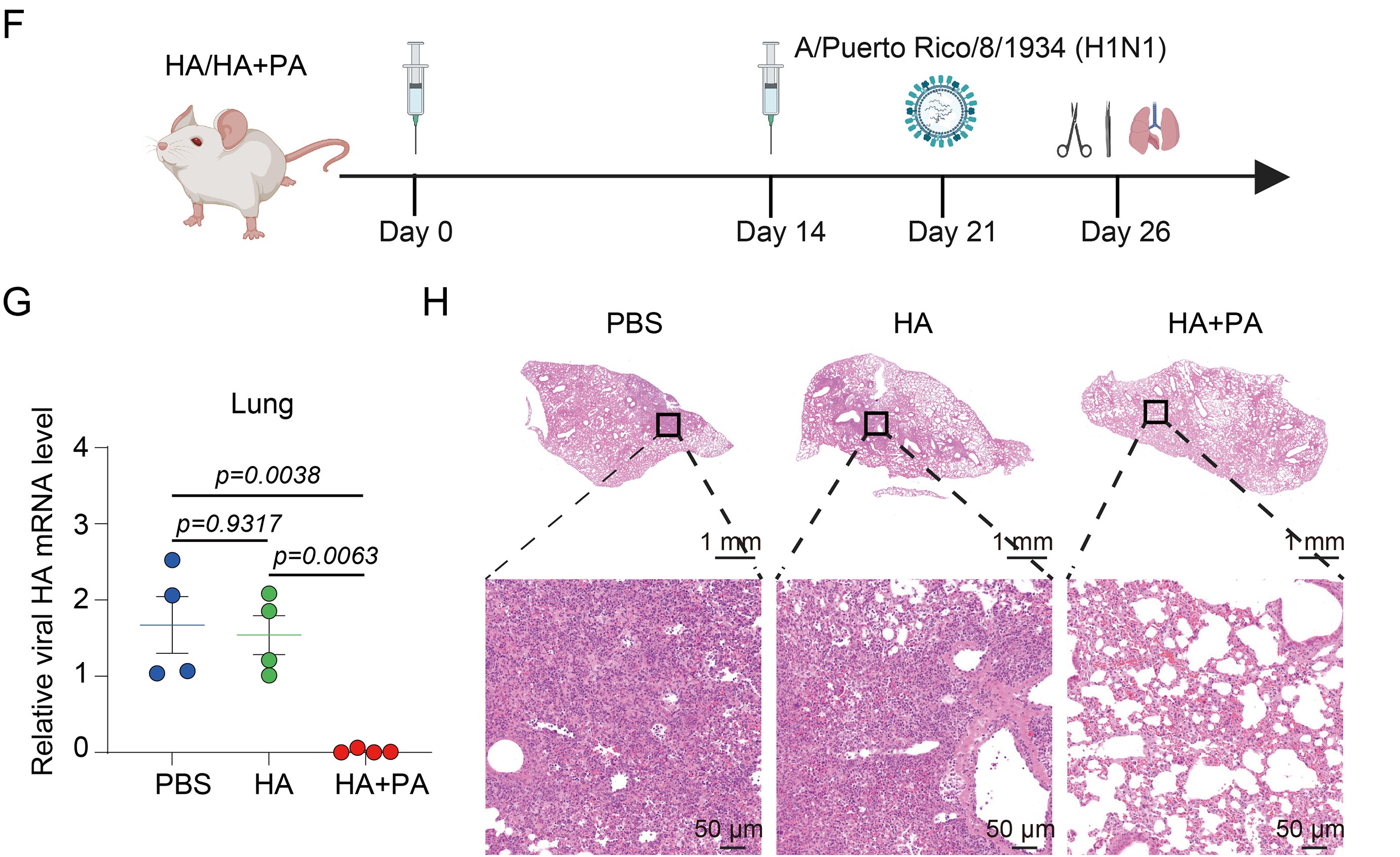
Overcoming immunosuppressive tumor microenvironments remains a critical challenge in advanced vaccine development. Here, we evaluated Pygenic acid A (PA), an intracellular small-molecule inhibitor targeting the PD-1/SHP-2 axis, as a novel vaccine adjuvant. The adjuvant efficacy of PA was systematically assessed in two murine models: a therapeutic B16-F10 melanoma lung metastasis model and a prophylactic lethal H1N1 influenza virus challenge model. In the melanoma metastasis model, PA potentiated the anti-tumor effect of the mTRP2 vaccine, markedly inhibiting pulmonary metastatic lesions and prolonging the survival of tumor-bearing mice. Mechanistically, PA robustly boosted the intratumoral infiltration of functional T cells, thereby reversing local tumor immunosuppression. In the influenza vaccination model, consistent immunostimulatory effects were observed: the PA-adjuvanted hemagglutinin (HA) vaccine effectively elicited broad-spectrum cross-neutralizing antibody responses and provided complete protection against lethal heterologous influenza virus challenge. Further mechanistic investigations demonstrated that PA specifically promoted the differentiation of T follicular helper (Tfh) cells and the expansion of germinal center (GC) B cells in draining lymph nodes, while triggering a robust Th1-type cellular immune response dominated by IFN-γ secretion. Furthermore, in vivo safety assessments verified that PA intervention induced no obvious systemic inflammation, hematological abnormalities, or visceral organ injury, indicating a favorable safety profile. Collectively, these results demonstrate that PA serves as a potent and safe intracellular checkpoint-targeting adjuvant capable of potentiating both cellular immunity and cross-protective humoral immunity, holding great translational promise for the development of advanced cancer vaccines and broad-spectrum influenza vaccines.
2026, 41(4): 972-987.
doi: 10.1016/j.virs.2026.08.001
Received: 12 March 2026
Accepted: 03 August 2026
Published: 06 August 2026
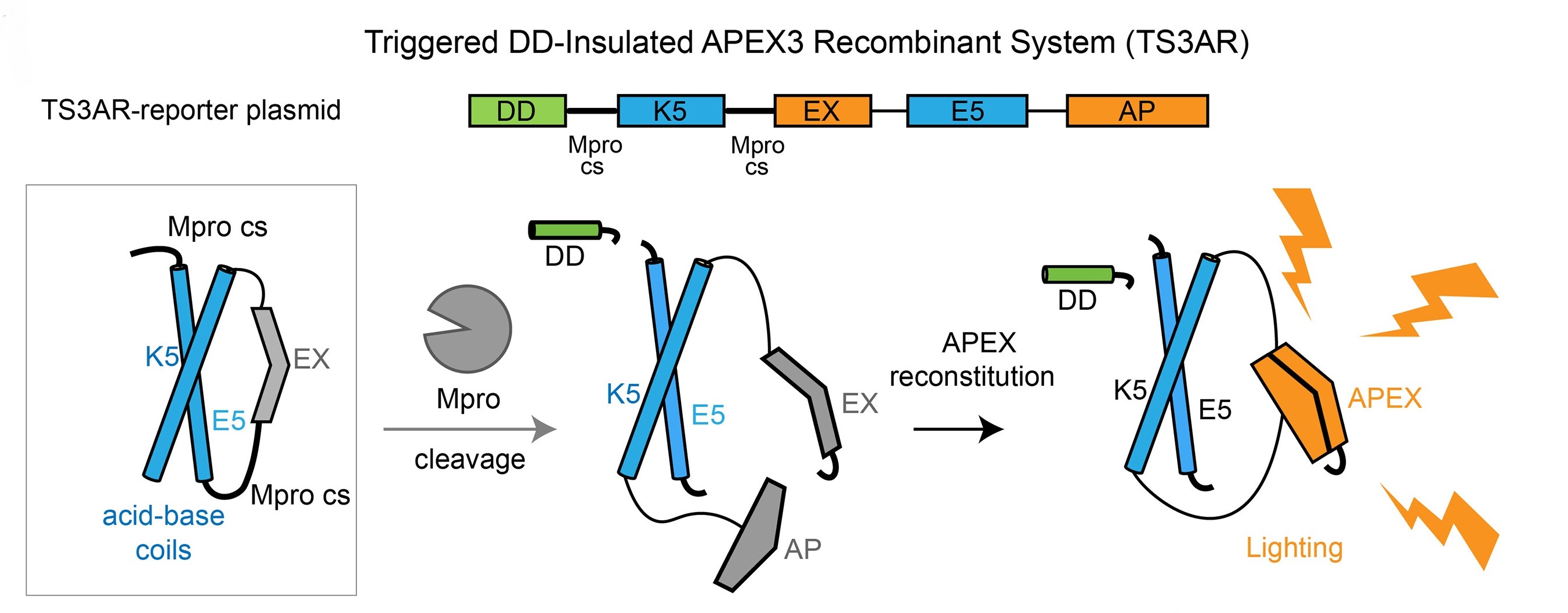
Viral proteases are key targets for the development of broad-spectrum antiviral drugs development. However, screening platform capable of accurately assessing inhibitor activity within physiologically relevant cellular environments remain urgently needed. Traditional methods, such as fluorescent protein assays and Förster resonance energy transfer (FRET), suffer from significant limitations, including susceptibility to non-specific conformational interference by test compounds and an inability to faithfully reflect intracellular inhibitory effects. To address these challenges, we constructed two modular biosensors (TS3AR and C3SIR) based on engineered ascorbate peroxidase (APEX). Their detection mechanism relies on specific cleavage of the substrate recognition sequence by the target protease, which triggers the reassembly of split APEX fragments, restores enzymatic activity, and generates fluorescent signals generated via cascade amplification reaction. Validation using the coronavirus main protease (Mpro) as a model showed that the TS3AR sensor achieved the signal-to-noise ratio up to 1500-fold for enzyme activity detection, while the C3SIR sensor effectively avoided the false positives caused by conformational interference seen in traditional methods and accurately identified high-potency Mpro inhibitors, including enstrelvir, PF-00835231, and nirmatrelvir. Moreover, by replacing the protease recognition sequence, these modular biosensors can be flexibly adapted for activity analysis and drug evaluation of Mpro from various coronaviruses (e.g., SARS-CoV-2, MERS-CoV) as well as other viral proteases (e.g., enterovirus 71, Epstein-Barr virus and hepatitis A virus). Overall, this platform provides a reliable, highly specific intracellular screening tool to accelerate the development of broad-spectrum therapeutics against both emerging and existing viral threats.
2026, 41(4): 988-992.
doi: 10.1016/j.virs.2026.06.004
Received: 19 February 2026
Accepted: 04 June 2026
Published: 09 June 2026
Highlights
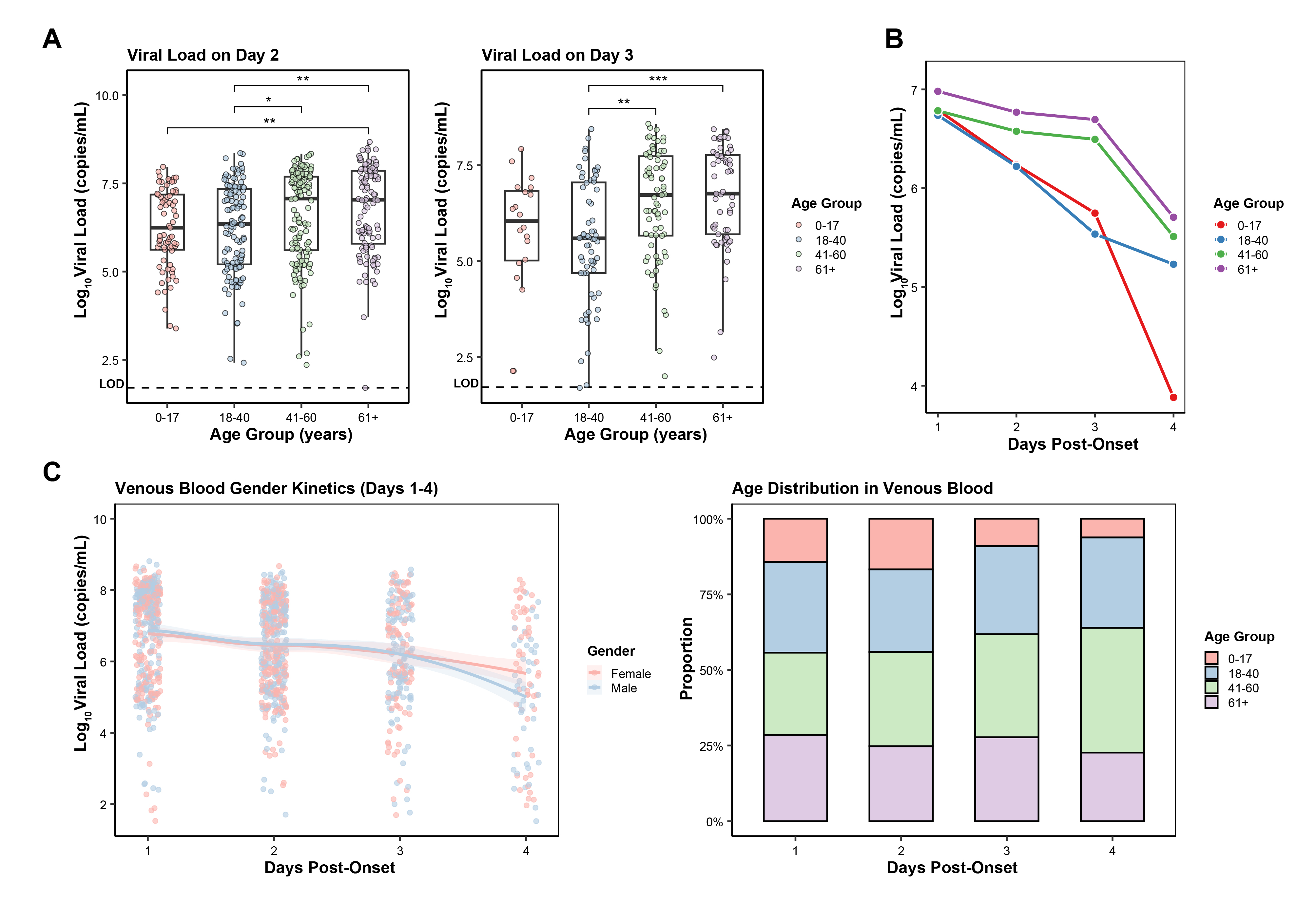
1 ECSA-MAL lineage of CHIKV shows robust replication and rapid clearance.
2 Peak venous viremia (median 2.3 × 10⁷ copies/mL) occurs on day 1 of symptom onset.
3 Older age is significantly associated with higher peak viral loads.
4 Longitudinal monitoring of capillary blood reveals viral clearance by day 6.
1 ECSA-MAL lineage of CHIKV shows robust replication and rapid clearance.
2 Peak venous viremia (median 2.3 × 10⁷ copies/mL) occurs on day 1 of symptom onset.
3 Older age is significantly associated with higher peak viral loads.
4 Longitudinal monitoring of capillary blood reveals viral clearance by day 6.
Whole-genome evolutionary dynamics of human parainfluenza virus type 3 in Shanghai, China, 2016-2024
2026, 41(4): 993-998.
doi: 10.1016/j.virs.2026.07.005
Received: 24 December 2025
Accepted: 08 July 2026
Published: 14 July 2026
Highlights
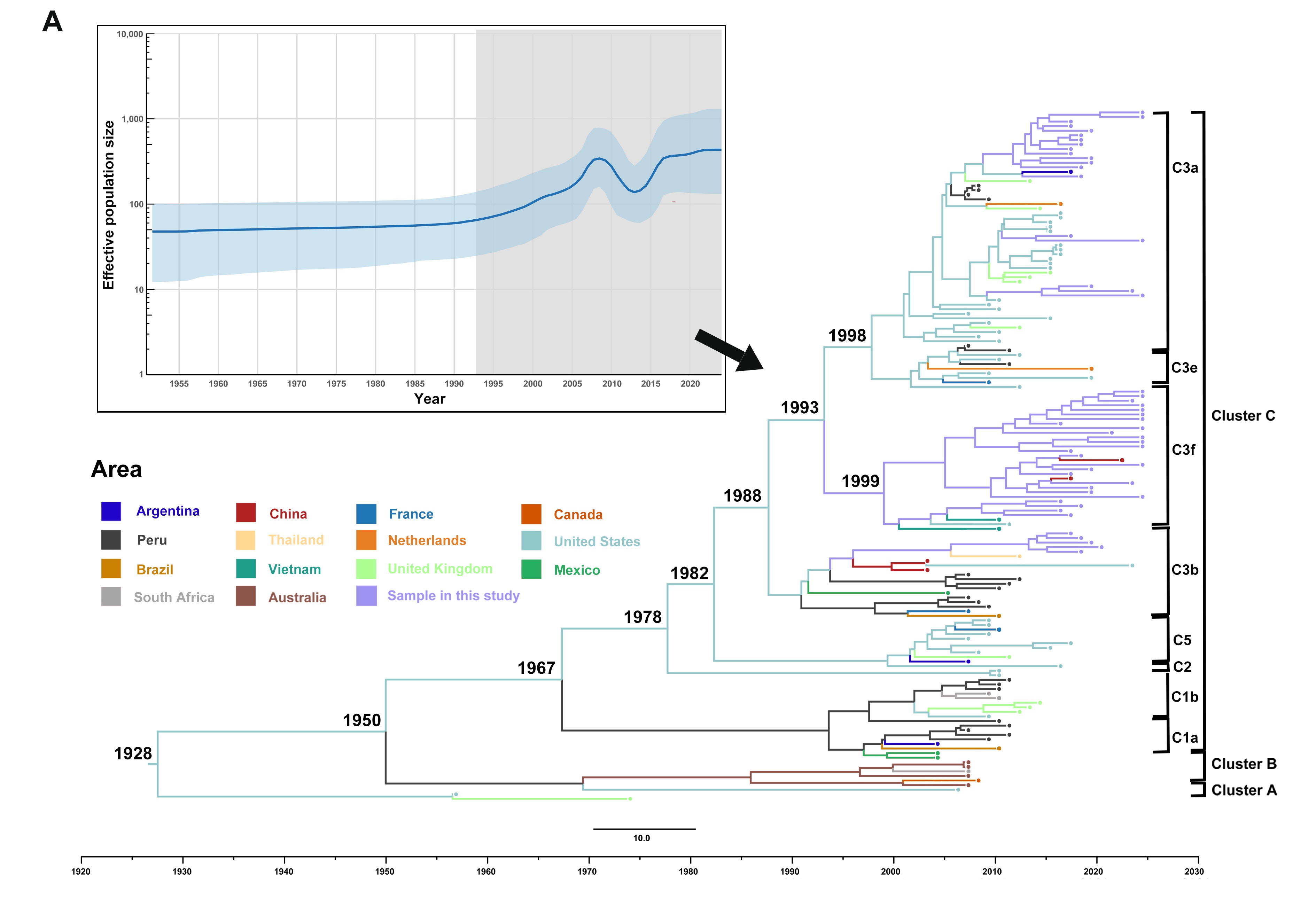
1 Fifty whole-genome sequencing revealed co-circulating HPIV-3 C3 sub-lineages C3f and C3a in Shanghai, China.
2 Whole-genome phylogeny dated the HPIV-3 tMRCA to ~1925.6 and revealed two post-1990 demographic expansions.
3 Recombination signals detected in the HN gene and other regions may lead to discordance in partial-gene phylogenies.
4 The L gene showed the highest variability and harbored the largest number of putative positively selected sites.
1 Fifty whole-genome sequencing revealed co-circulating HPIV-3 C3 sub-lineages C3f and C3a in Shanghai, China.
2 Whole-genome phylogeny dated the HPIV-3 tMRCA to ~1925.6 and revealed two post-1990 demographic expansions.
3 Recombination signals detected in the HN gene and other regions may lead to discordance in partial-gene phylogenies.
4 The L gene showed the highest variability and harbored the largest number of putative positively selected sites.
2026, 41(4): 999-1001.
doi: 10.1016/j.virs.2026.06.006
Received: 30 January 2026
Accepted: 08 June 2026
Published: 10 June 2026
Highlights
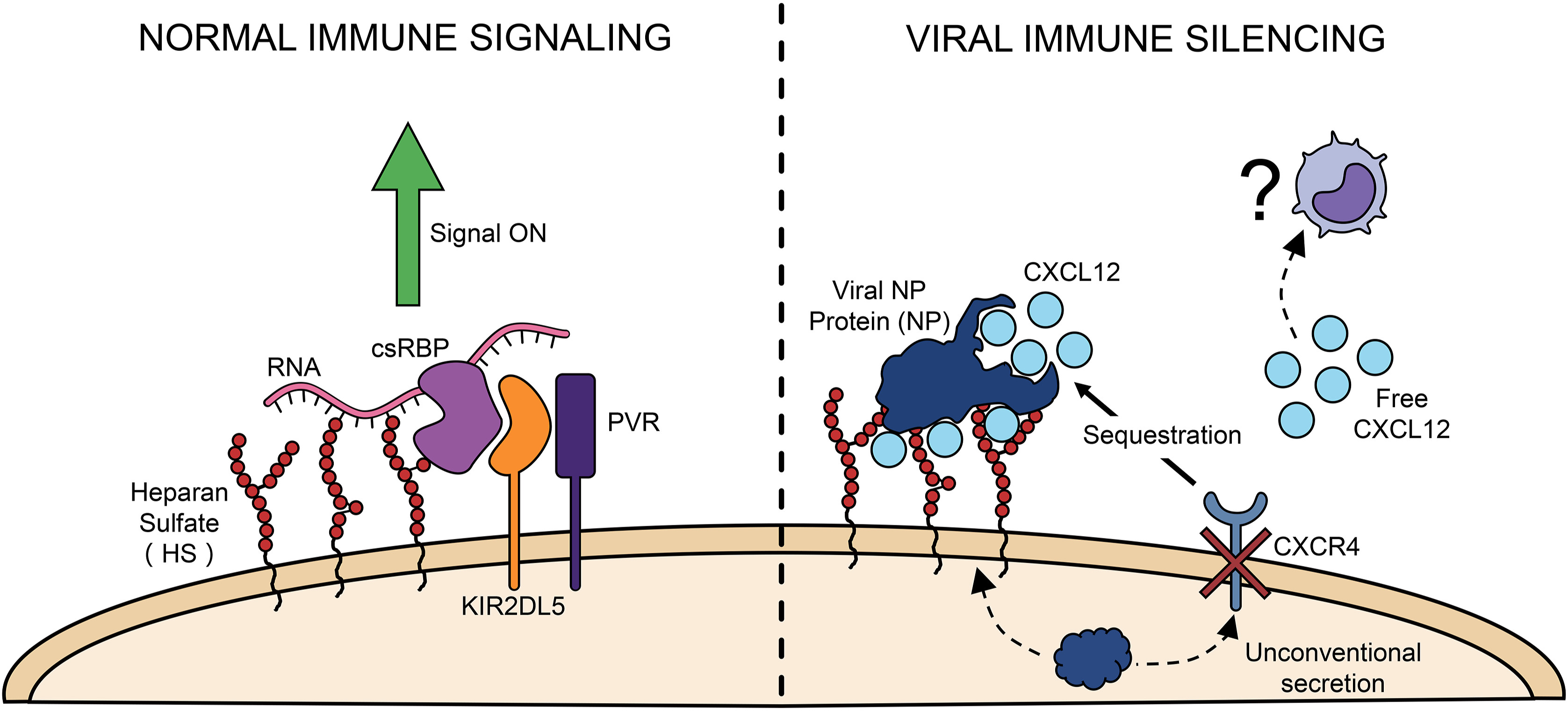
1 Viral nucleocapsid proteins may co-opt this host scaffold for cell-surface display.
2 Surface-displayed viral proteins can bind chemokines, suppressing immune cell recruitment.
1 Viral nucleocapsid proteins may co-opt this host scaffold for cell-surface display.
2 Surface-displayed viral proteins can bind chemokines, suppressing immune cell recruitment.
2026, 41(4): 1002-1005.
doi: 10.1016/j.virs.2026.07.004
Received: 11 May 2026
Accepted: 10 July 2026
Published: 15 July 2026
Highlights
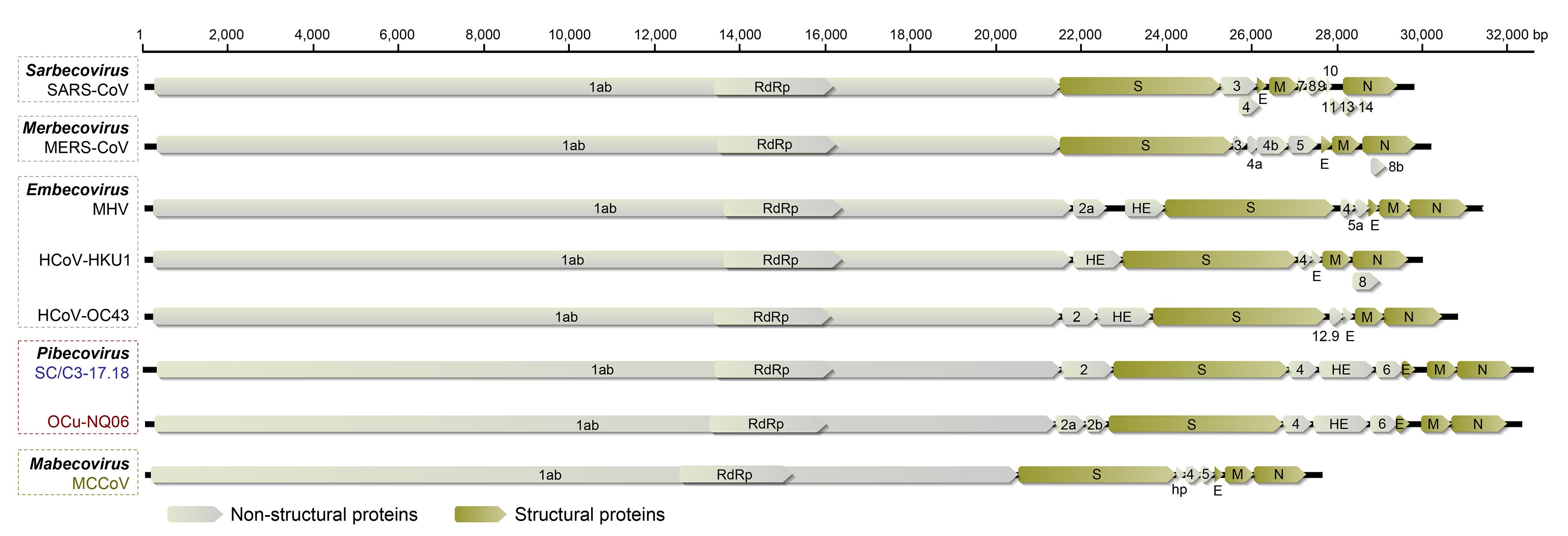
1 Pikas and marmots from plateaus host divergent α- and β-CoVs, including the candidate subgenera Pibecovirus and Mabecovirus.
2 The plateau CoVs show distinctive genomic features (relocated HE gene, variable ORFs), indicating lineage-specific evolution.
3 High-altitude plateau ecosystems are a key yet understudied frontier of CoV evolution, warranting systematic surveillance.
1 Pikas and marmots from plateaus host divergent α- and β-CoVs, including the candidate subgenera Pibecovirus and Mabecovirus.
2 The plateau CoVs show distinctive genomic features (relocated HE gene, variable ORFs), indicating lineage-specific evolution.
3 High-altitude plateau ecosystems are a key yet understudied frontier of CoV evolution, warranting systematic surveillance.