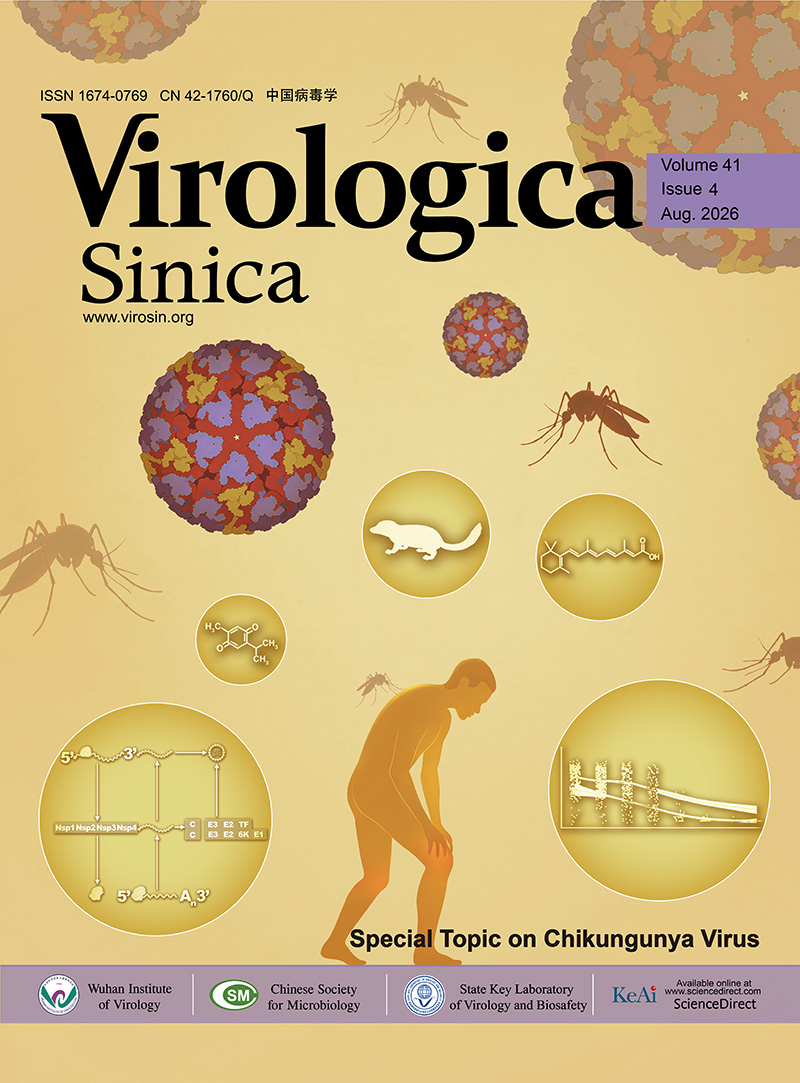
Zika virus (ZIKV), with the remarkable ability to breach multiple blood-tissue barriers, leads to severe consequences such as fetal microcephaly, Guillain-Barré syndrome, testicular damage, and ocular lesions. In this issue, Hui et al. systematically reviewed the molecular mechanisms, commonalities, and tissue-specific features of ZIKV penetration across multiple barriers, as well as the pathological significance of barrier breakdown. The cover depicts a medieval siege fortress as a metaphor for the body’s frontline defensive blood-tissue barriers—the blood-brain barrier (BBB), blood-testis barrier (BTB), blood-placenta barrier (BPB), and blood-retina barrier (BRB). ZIKV (red particles) attacks from different directions via diverse strategies: transcytosis, disruption of tight junctions, immune cell “Trojan horse” entry, and inflammation-induced barrier leakage. Four impaired organs behind the fortress represent typical pathological damages caused by ZIKV infection (Kindly designed and provided by Prof. Ying Wu and Dr. Lixia Hui). See page 247-260 for details.
Blood-tissue barriers are specialized interfaces that safeguard organ homeostasis by restricting pathogen dissemination. Zika virus (ZIKV), an emerging flavivirus of global concern, exhibits an exceptional ability to breach multiple barriers—including the blood-brain, blood-placental, blood-testis, and blood-retinal barriers—enabling neuroinvasion, vertical and sexual transmission, and ocular disease. ZIKV employs diverse strategies to cross these barriers: receptor-mediated entry, disruption of tight junctions, and hijacking immune cells or extracellular vesicles as viral carriers. Adaptive mutations further refine tissue tropism and enhance barrier traversal efficiency. Insights from cell culture, organoid, animal, and ex vivo tissue models reveal not only the conserved and tissue-specific mechanisms of barrier penetration but also the downstream pathological consequences in the affected organs. Understanding how ZIKV breaches these interfaces and induces organ-specific pathology deepens our knowledge of host-pathogen interactions and provides a framework for designing barrier-protective and disease-mitigating strategies against ZIKV and other pathogens that breach blood-tissue barriers.
Vaccination stands as the single most effective and cost-efficient public health intervention in human history, serving as a cornerstone of modern medicine that profoundly transforms global health outcomes. Beyond preventing disease, it acts as a catalyst for equitable socioeconomic development. In recent decades, recurrent seasonal viral outbreaks and sporadic yet catastrophic pandemics have continued to pose challenges to global public health systems. Traditional vaccine technologies, however, not only often fall short in protection efficacy, but also fail to keep pace with the evolving demands of next-generation vaccine development. These scientific gaps have directed cutting-edge research to prioritize critical objectives in terms of enhancing antigen effectiveness, achieving stable pan-protection against diverse variant strains, and strengthening production robustness. The advent of genomics spurred the emergence of reverse vaccinology 1.0, leading to breakthroughs like the MenB vaccine. Today, the advanced reverse vaccinology 2.0 paradigm thoroughly redefines vaccine design process by organically integrating human immunology with state-of-the-art computational protein structure analysis tools. This review explores the transformative shifts in influenza and respiratory syncytial virus vaccine development, along with specific case studies, to deepen understanding of the evolving principles and methodologies in novel vaccine designs and offer strategic insights for addressing emerging infectious pathogens.
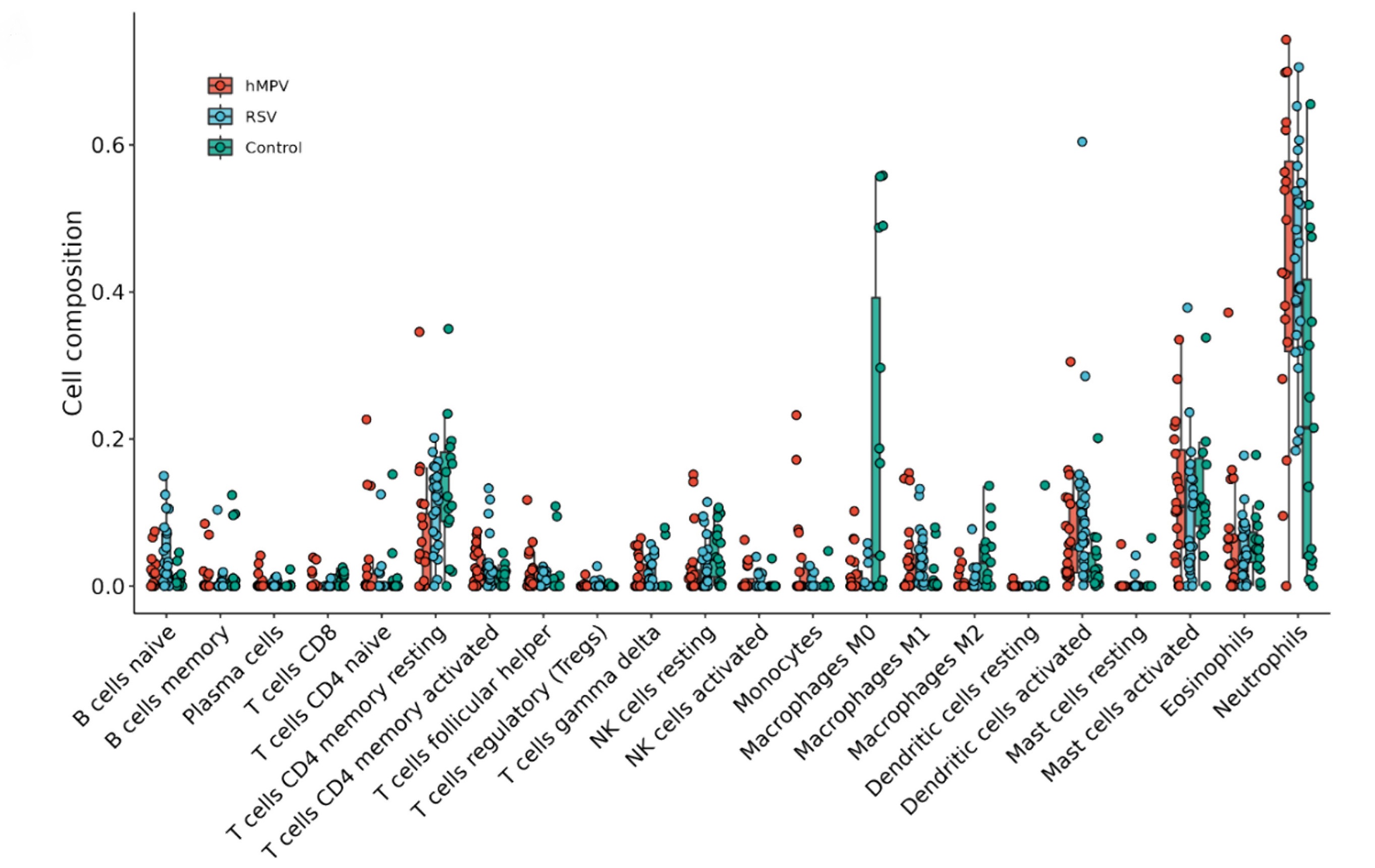
Human metapneumovirus (hMPV) is a prevalent respiratory virus in children with acute lower respiratory tract infections that is highly homologous with respiratory syncytial virus (RSV), the primary etiological agent of pediatric upper and lower respiratory tract infections. Although hMPV and RSV are the only human pathogens within the Pneumoviridae family and share similar clinical manifestations, the mechanisms underlying their divergent pathogenicity remain poorly understood. In this study, we performed transcriptomic analysis on clinical respiratory samples collected between 2017 and 2019 from 61 children: including hMPV-infected, RSV-infected and healthy controls. This analysis revealed a shared upregulation of antiviral response pathways, including neutrophil activation and signaling mediated by interferons and interleukins. Conversely, cilium organization and assembly pathways were commonly downregulated in both infections. hMPV infection uniquely upregulated pathways associated with extracellular component activity, ion channel complexes, and neuroactive ligand‒receptor interactions. In contrast, pathways related to membrane rafts and membrane microdomains were uniquely downregulated in hMPV-infected patients. Analysis of differentially expressed immune-related and interferon-stimulated genes revealed significant hMPV-specific increases in EGF and FCGR1A, alongside decreased EPAS1 expression. The genes that were uniquely upregulated during hMPV infection were enriched in cytokine production regulation, cytokine-cytokine receptor interactions, and PI3K/AKT signaling, whereas those that were uniquely downregulated involved the viral entry and endocytic vesicle pathways. Both hMPV infection and RSV infection significantly increased the proportions of M1 macrophages and neutrophils but decreased the proportions of M0 and M2 macrophages. Notably, hMPV infection resulted in a significant increase in monocytes and activated NK cells coupled with a decrease in resting memory CD4+ T cells, compared with RSV infection. The results also revealed a significantly greater relative abundance of Prevotella salivae in the hMPV infection group, whereas Streptococcus salivarius and Streptococcus mitis were enriched in the RSV group. These distinct immune and microbial signatures provide novel insights into the pathogenesis of pediatric hMPV and RSV infections.
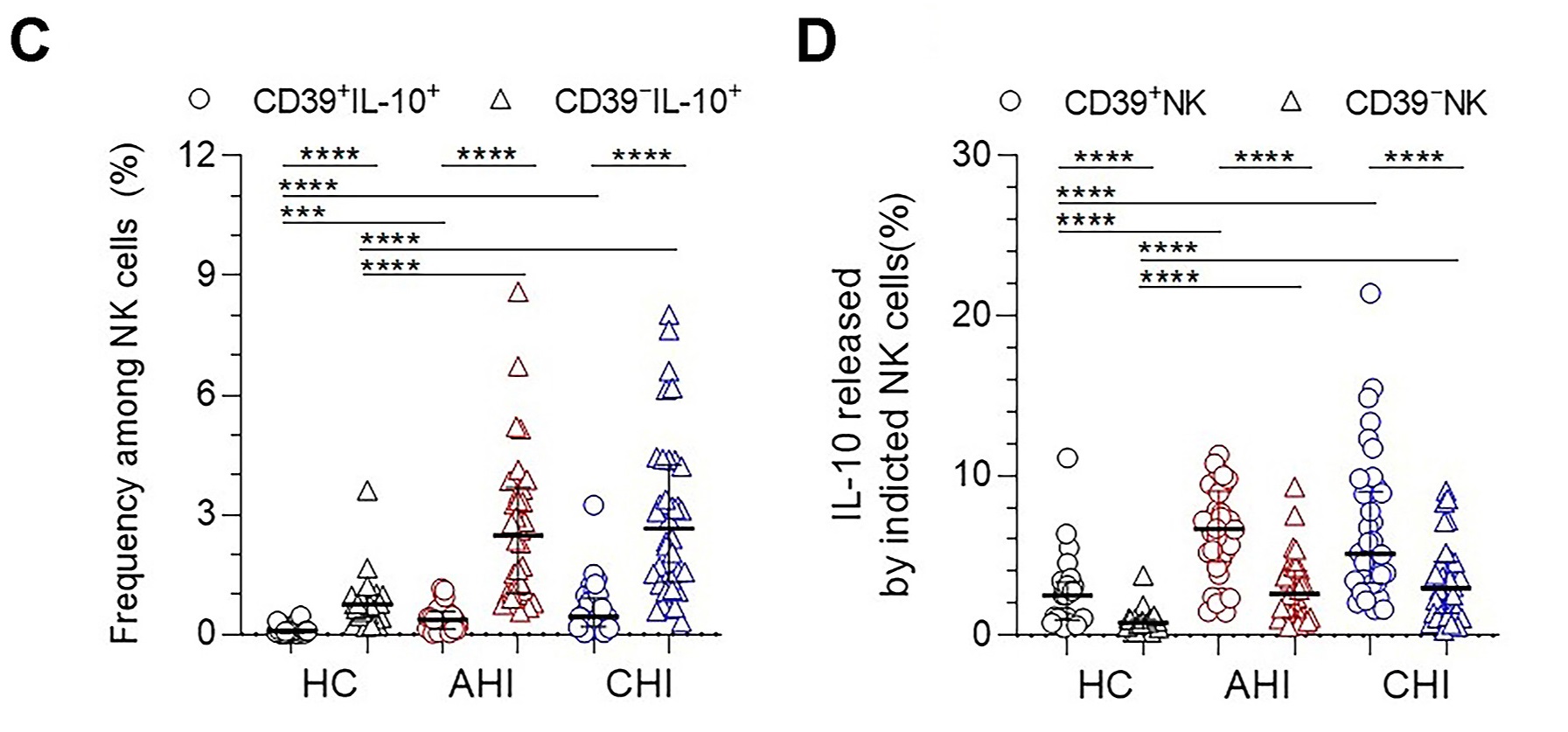
CD39 exerts an inhibitory effect on tumour progression by impairing the cytotoxic capacity of natural killer (NK) cells against cancer cells. However, the impact of CD39 expression on the non-cytolytic functions of NK cells in treatment-naïve human immunodeficiency virus type 1 (HIV-1)-infected individuals remains poorly understood. In this study, thirty-four individuals with acute HIV-1 infection (AHI), thirty-eight with chronic HIV-1 infection (CHI), and twenty-four HIV-1-negative healthy controls (HC) were enrolled to explore the role of CD39 expression on NK cells in HIV-1 suppression at different infection stages. Flow cytometry was employed to analyze the immune phenotype and functional characteristics of NK cells. We found that CD39 expression on NK cells was significantly upregulated following HIV-1 infection, and its positive rate was positively associated with HIV-1 viral load in both AHI and CHI individuals. Compared with CD39- NK cells, CD39+ NK cells exhibited reduced activation; in AHI individuals, the activation level of CD39+ NK cells was positively associated with HIV-1 viral load but inversely correlated with CD4+ T-cell counts. In CHI individuals, the interleukin-10 (IL-10)-producing capacity of total NK cells, CD39+ NK cells, and CD39- NK cells was enhanced and positively correlated with HIV-1 viral load. Additionally, across the AHI and CHI groups, the overall IL-10-secreting ability of NK cells was positively correlated with the frequency of CD39+ NK cells. In both AHI and CHI individuals, CD39+ NK cells showed lower T-cell immunoglobulin and ITIM domain (TIGIT) expression than CD39- NK cells, while the CD39+TIGIT+ NK cell subset displayed significantly stronger IL-10-secreting capacity. POM-1, an inhibitor of CD39 ectonucleotidase activity, could enhance IL-10 secretion by NK cells in both HIV-1-infected individuals and the majority of healthy controls, but attenuate interferon-γ (IFN-γ) secretion by NK cells in HIV-1-infected individuals. In contrast, the CD39-blocking antibody A1 reduced IFN-γ secretion without affecting IL-10 secretion by NK cells in both HIV-1-infected individuals and healthy controls. Our findings reveal a novel CD39+ NK cell-associated mechanism that contributes to ineffective HIV-1 control, and suggest that CD39, alone or combined with TIGIT, may serve as a promising target to restore antiviral NK cell function in treatment-naïve individuals living with HIV-1.
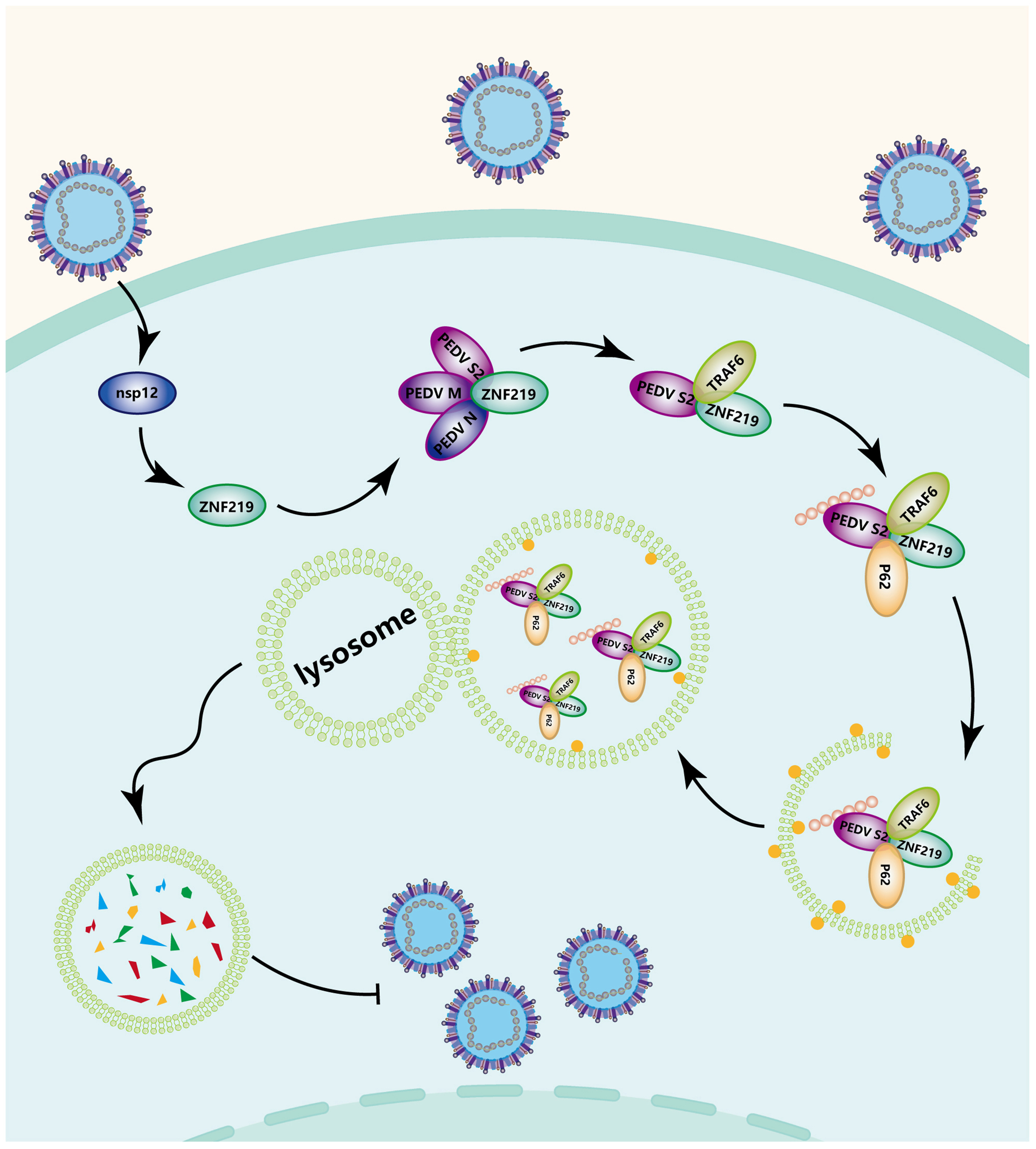
Since its discovery, porcine epidemic diarrhea virus (PEDV) has significantly affected the agricultural economy worldwide. The available commercialized coronavirus vaccines cannot adequately control emerging strains. Therefore, investigating the correlation between viruses and antiviral host factors is necessary. In this study, we showed that zinc finger protein 219 (ZNF219) was upregulated by viral nonstructural protein 12 (nsp12) upon PEDV challenge. Moreover, ZNF219 inhibited the replication of PEDV through selective autophagic degradation of the PEDV S2 protein. ZNF219 recruited TRAF6, the ubiquitin E3 ligase, to ubiquitinate the PEDV S2 protein. After recognition, the ubiquitinated PEDV S2 protein was delivered to autolysosomes via the cargo receptor p62 for degradation by autophagy, thus inhibiting the proliferation of PEDV. To summarize, after sensing PEDV infection by recognizing the viral nsp12 protein, host cells upregulated the intracellular expression of ZNF219, which degraded the viral S2 protein by activating autophagy, thus suppressing viral replication. Our study revealed a novel antiviral mechanism involving ZNF219 and provided a novel target for preventing and treating PEDV.
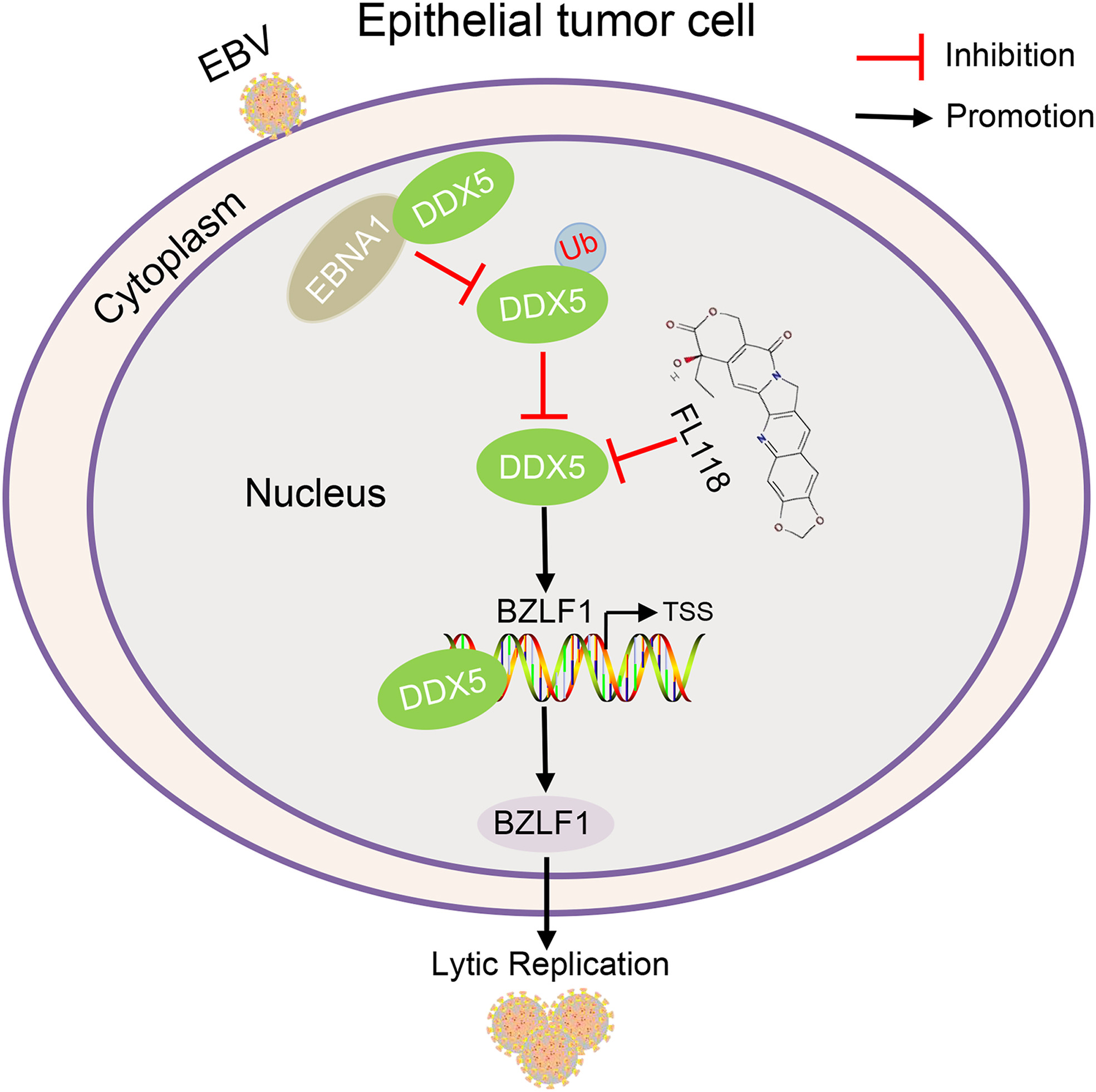
Epstein-Barr virus (EBV) lytic replication is a key driver of viral dissemination and tumorigenicity in epithelial malignancies, such as nasopharyngeal carcinoma (NPC) and gastric cancer (GC). However, the underlying molecular mechanism and effective therapeutic strategy remain largely unknown. Here, we analyzed the EBV nuclear antigen 1 (EBNA1) interactome and identified DEAD-box helicase 5 (DDX5) as its novel partner. The N-terminal region (amino acids 1-88) of EBNA1 and the C-terminal domain of DDX5 were crucial for their binding. EBNA1 stabilized the DDX5 protein by impeding its proteasomal degradation via K48-linked polyubiquitin. EBNA1 facilitated EBV lytic replication in a DDX5-dependent manner. Furthermore, DDX5 bound to the promoter of BZLF1, which is the key switch of EBV reactivation, thus transactivating BZLF1 to drive viral lytic replication. Moreover, the small molecule inhibitor FL118 was able to disrupt this process by promoting DDX5 degradation, unveiling FL118 as a new potential antiviral drug. Our findings established a new functional axis of EBNA1/DDX5/BZLF1, adding to the knowledge about the role of EBNA1 in the regulation of EBV life cycle, particularly lytic replication. The study also provided a potential therapeutic strategy for EBV-associated epithelial tumors.
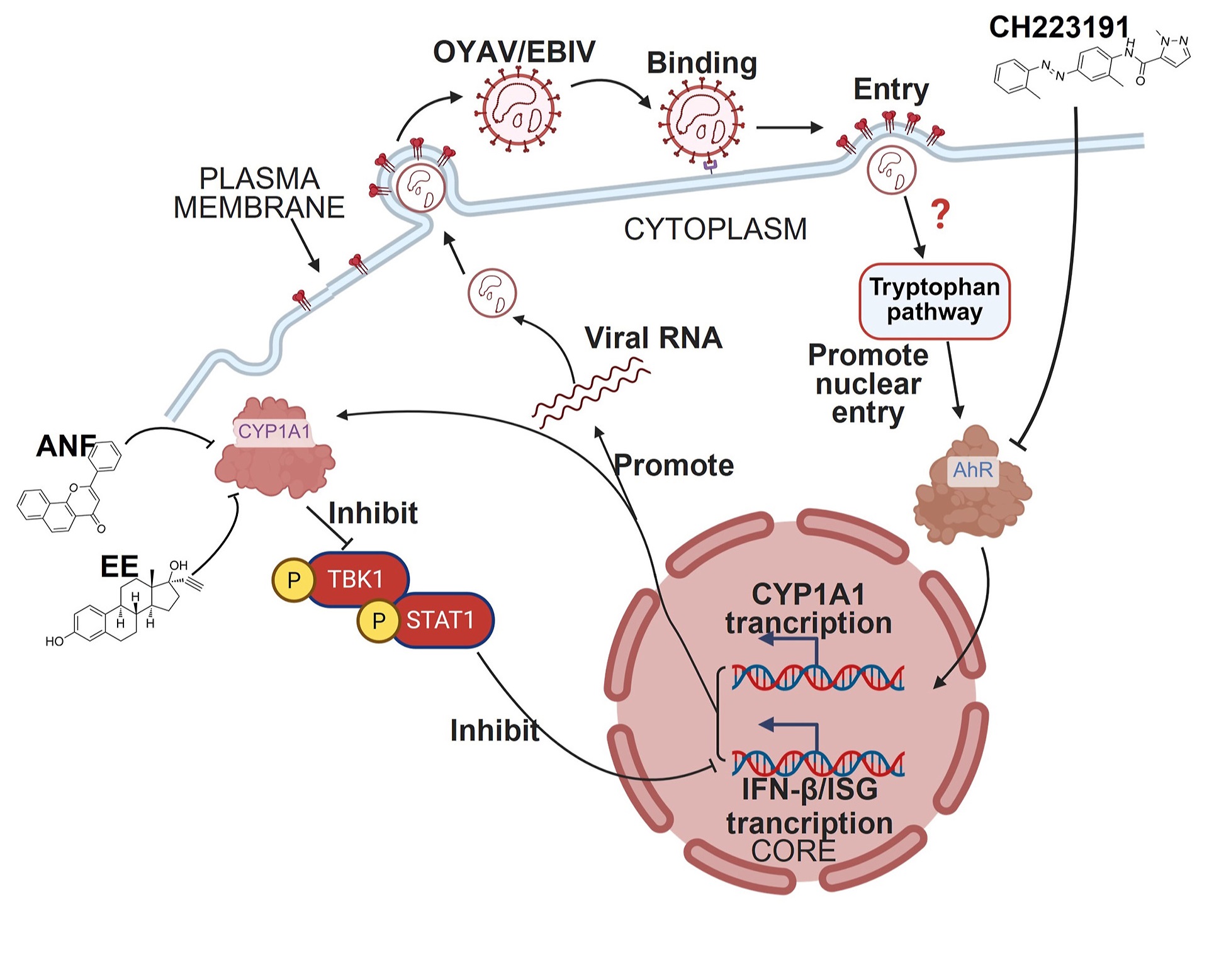
The type I interferon (IFN-I) system serves as a frontline defense against viral infection, yet how orthobunyaviruses counteract this pathway remains poorly defined. Here, we identify cytochrome P450 1A1 (CYP1A1) as a crucial host factor promoting infection by two emerging orthobunyaviruses—Oya virus (OYAV) and Ebinur Lake virus (EBIV). Transcriptomic and functional analyses demonstrate that CYP1A1 overexpression enhances viral RNA synthesis, whereas its CRISPR-Cas9-mediated knockout attenuates infection. Mechanistically, OYAV and EBIV activate the aryl hydrocarbon receptor (AhR), driving its nuclear translocation and subsequent upregulation of CYP1A1. Deficiency of CYP1A1 potentiates IFN-β production and interferon-stimulated gene (ISG) expression, while its overexpression suppressed antiviral signaling, revealing an immunomodulatory role that is distinct from its canonical metabolic function. Collectively, this work defines the AhR-CYP1A1 axis as a conserved immune-evasion module exploited by emerging orthobunyaviruses and highlights the innate immune pathway as a potential therapeutic target against these emerging threats.
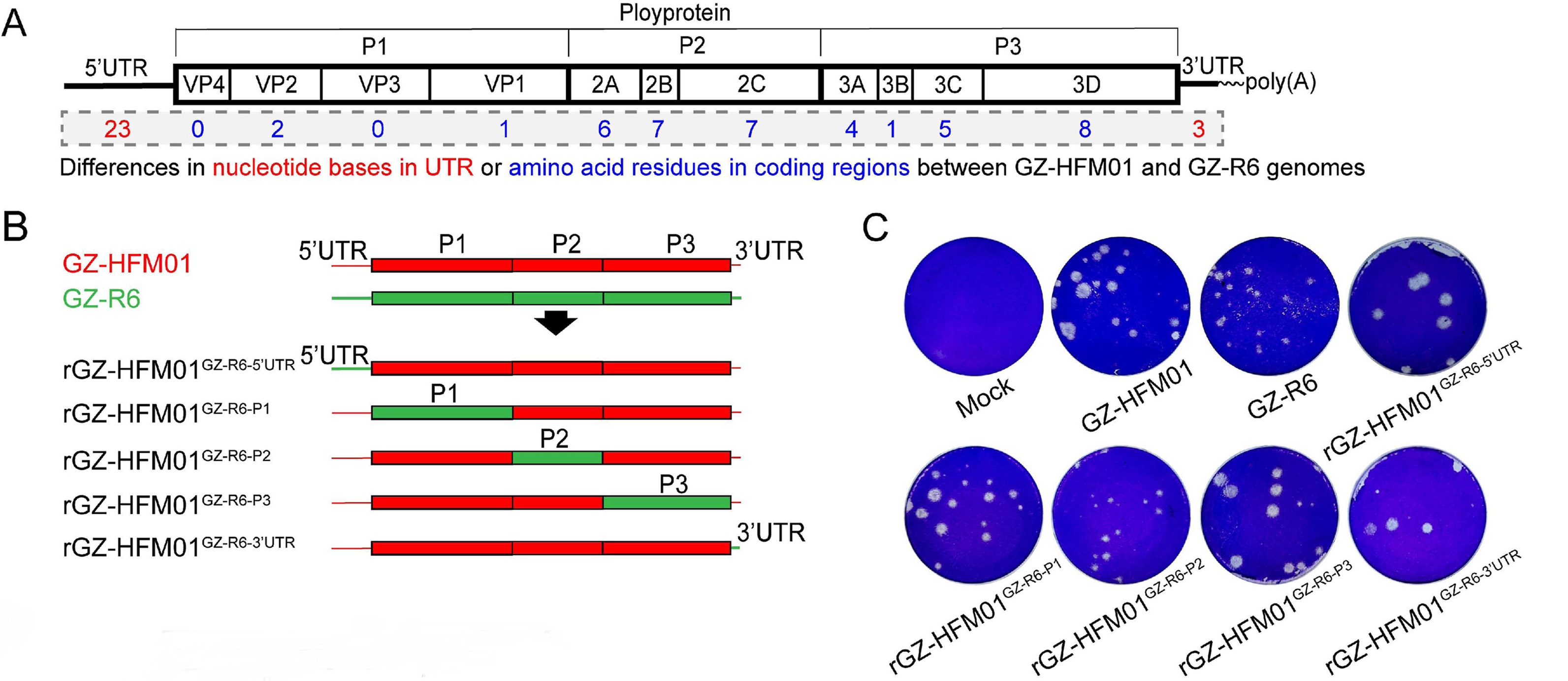
Coxsackievirus B4 (CVB4) is a highly pathogenic enterovirus associated with severe neurological disease and mortality. To establish research models that recapitulate severe CVB4 infection, two clinical isolates with distinct neurovirulence—the high-virulence strain GZ-HFM01 and low-virulence strain GZ-R6—were used. An in vitro neurocytotoxicity model with human neuroblastoma SH-SY5Y cells showed that GZ-HFM01 produced significantly larger plaques than GZ-R6, reflecting its increased capacity to damage neuronal cells. Concurrently, an optimized in vivo severe infection model was established in 3-day-old ICR mice through intraperitoneal inoculation, which reproduced key clinical features of severe disease. Compared with GZ-R6, GZ-HFM01 infection resulted in significantly reduced survival, progressive neurological impairment, time-dependent viral accumulation in brain tissue, pronounced histopathological injury, and elevated serum pro-inflammatory cytokine levels. To map genomic determinants of neurovirulence, a chimeric virus panel was generated by replacing individual genome segments (5′untranslated region [UTR], P1, P2, P3, or 3′UTR) of GZ-HFM01 with the corresponding regions from GZ-R6. Evaluation with the established models demonstrated that replacement of the P2 region significantly attenuated both the cytopathic effect in SH-SY5Y cells and pathogenicity in 3-day-old ICR mice. Animal studies further indicated that substitution of the 5′UTR or P1 region also reduced virulence—a phenotype absent from the cell-based model—underscoring the multifactorial regulation of CVB4 pathogenesis. In conclusion, this study provides validated in vitro and in vivo models of severe CVB4 infection and identifies key genomic segments that contribute to neurovirulence, offering a foundation for mechanistic research and the development of targeted interventions against severe CVB4-induced disease.
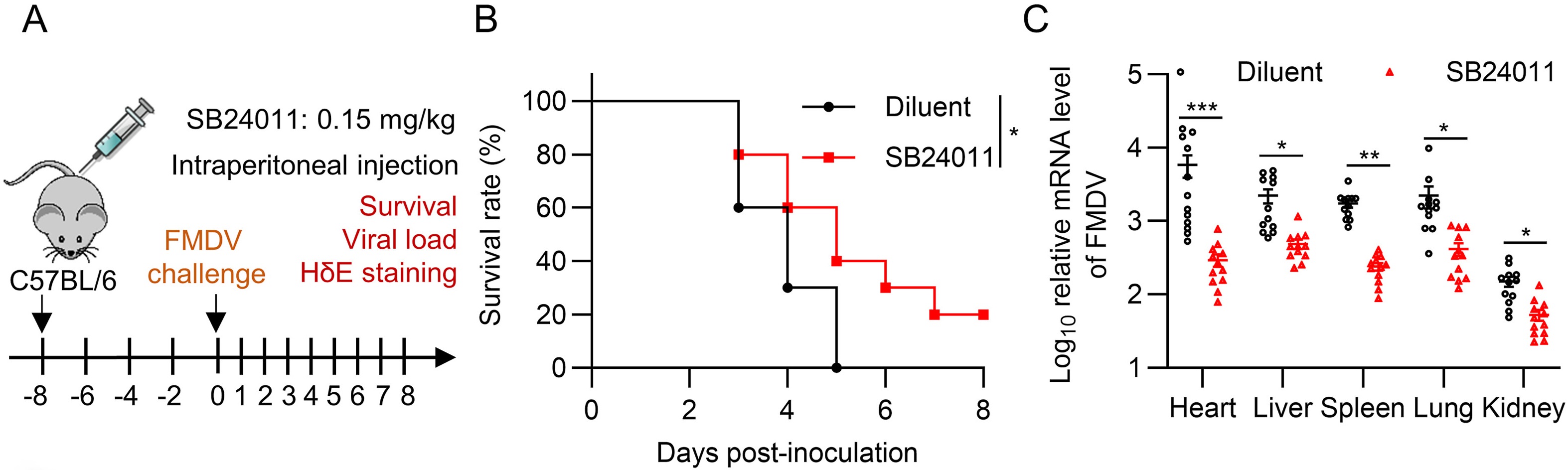
Foot-and-mouth disease virus (FMDV), a highly contagious picornavirus, employs multifaceted strategies to evade host innate immunity, with viral proteins 3C protease (3Cpro) and 2B serving as key immune antagonists. The stimulator of interferon genes 1 (STING1) is a critical innate immune adaptor; however, its role and regulatory mechanisms during FMDV infection remain incompletely understood. Here, we report that STING1 inhibits FMDV replication through an interferon (IFN)-independent mechanism, while FMDV counteracts this antiviral effect by degrading STING1 via 3Cpro and 2B. Mechanistically, FMDV 3Cpro mediates STING1 degradation in a protease activity-dependent manner; this STING1-degrading activity is conserved among 3Cpro proteins of poliovirus, enterovirus 71, and coxsackievirus, but not senecavirus A. In contrast, FMDV 2B suppresses STING1 expression at the mRNA level, and neither proteasomal, lysosomal, nor caspase pathways are involved in 3Cpro/2B-mediated STING1 downregulation. Furthermore, the STING1 stabilizer SB24011 enhances endogenous STING1 expression, dose-dependently inhibits FMDV replication by targeting viral internal ribosome entry site (IRES)-mediated translation, and exhibits broad-spectrum antiviral activity against multiple picornaviruses. In vivo, SB24011 treatment alleviates virus-induced histopathological lesions. Collectively, our findings reveal a novel IFN-independent antiviral role of STING1 against FMDV, identify 3Cpro and 2B as FMDV-encoded STING1 antagonists, and highlight the potential of SB24011 as a broad-spectrum anti-picornavirus therapeutic agent.
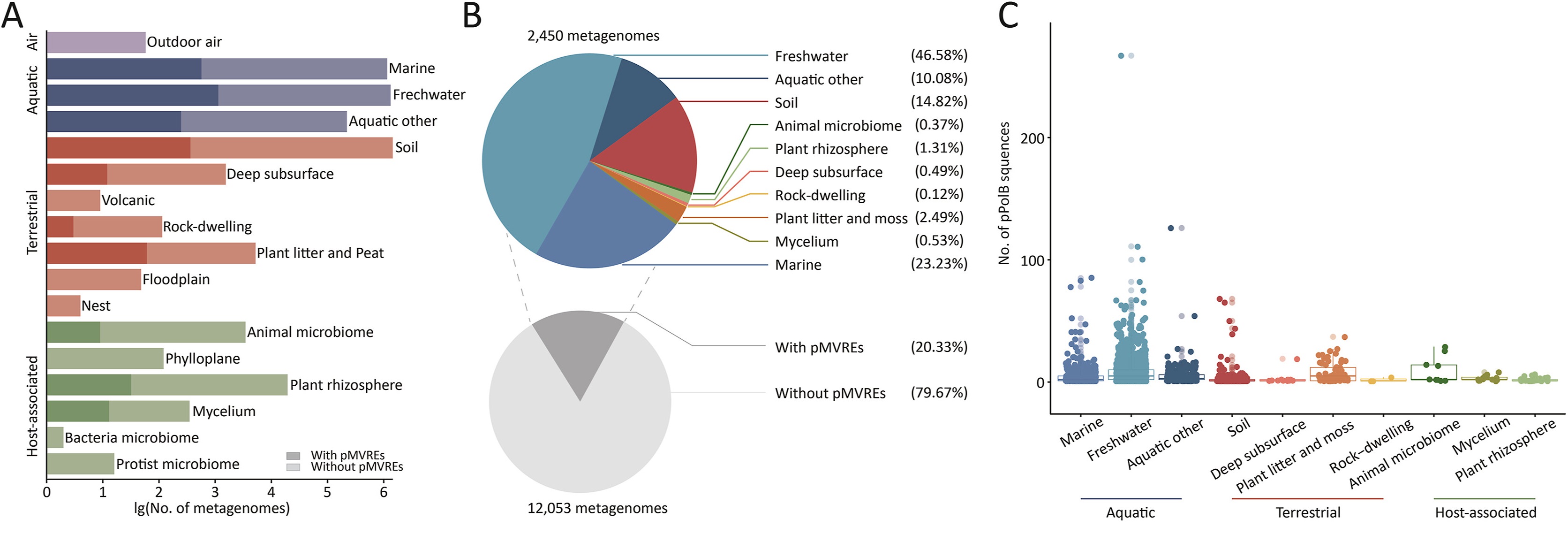
Virophages are unique double-stranded DNA (dsDNA) viruses that parasitize viruses of Nucleocytoviricota (NCVs). While conventionally viewed as a viral group, growing evidence suggests that “virophage” is better understood as a parasitic lifestyle, rather than a natural group. Despite this conceptual shift, their diversity and evolution remain largely obscure and contentious. Through deep mining of protein-primed type B DNA polymerase (pPolB) in 7041 eukaryotic genomes and 12,053 metagenomes sampled globally, we expand the diversity of pPolB-carrying mavirus virophage-related elements (pMVREs), which include virophages, transpovirons, and Polinton-like viruses (PLVs). Our phylogenomic and metagenomic mining reveals the widespread distribution of pMVREs in eukaryotic genomes (97/7041, 1.38%) and global environments (2450/12053, 20.33%). pMVREs possess genome architectures of high plasticity and promiscuity. The presence of pMVREs and NCVs is statistically correlated in both eukaryotic genomes and global metagenomes, supporting a specific co-occurrence association between pMVREs and NCVs. Moreover, pMVRE diversity and composition exhibit strong heterogeneity across global ecosystems. Together, this study unveils a vast diversity of virophage-related elements and provides insights into the intricate relationship among virophages, transpovirons, PLVs, pMVREs, and NCVs.
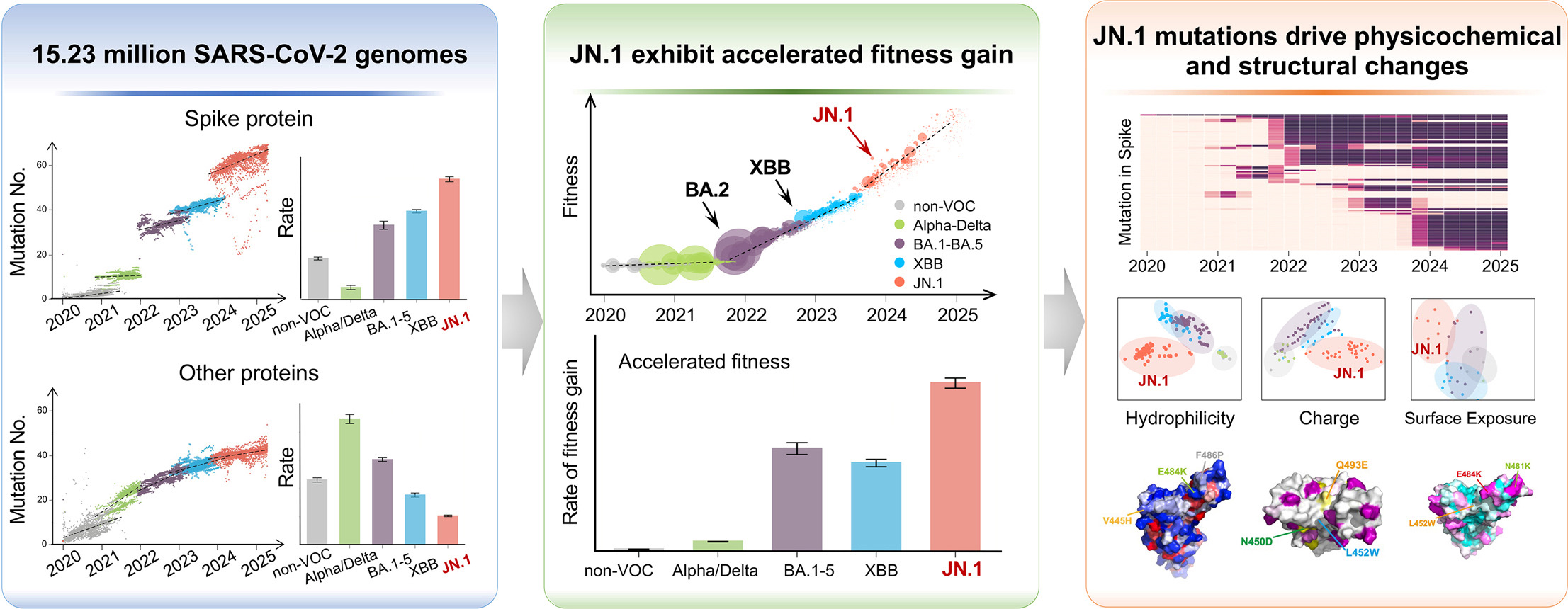
The evolution of SARS-CoV-2 has been driven by successive globally circulating waves, including the Alpha and Delta lineages, early Omicron (BA.1-BA.5), XBB, and the recently dominant JN.1 lineages. Although the marked advantage in fitness of early Omicron over Delta lineages has been recognized, there is a lack of systematic evaluation of SARS-CoV-2 fitness across 2020 to 2025. Here, we analyzed 15.23 million SARS-CoV-2 genomes available through May 2025. The accumulation of mutations in the spike protein of the virus has continued to accelerate over time, whereas the trend slowed in the other viral proteins. Using a Bayesian genomic-epidemiological framework, we estimated that lineage fitness increased approximately linearly from 2021 to 2025. Notably, JN.1 lineages exhibited a significantly higher rate of fitness gain than their predecessor XBB and earlier Omicron lineages. We further analyzed characteristic mutations of JN.1 and found that those in the receptor-binding domain were associated with larger alterations in residue hydropathy, charge, and structural surface exposure relative to other lineages. These findings suggest JN.1 as a distinct evolutionary stage and underscore the importance of sustained genomic surveillance.
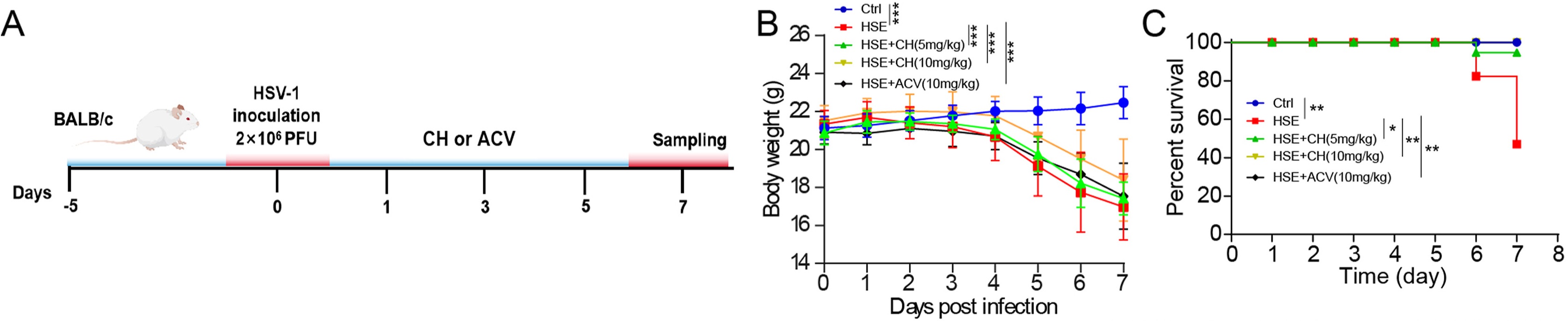
Herpes simplex virus type 1 (HSV-1) infection can induce herpes simplex encephalitis (HSE), a life-threatening neurological disorder characterized by active viral replication within the central nervous system accompanied by excessive neuroinflammatory responses. Cepharanthine hydrochloride (CH) is a natural bisbenzylisoquinoline alkaloid with diverse pharmacological activities. CH was evaluated for its antiviral and anti-inflammatory activities against HSV-1 infection. In microglia, CH markedly inhibited viral replication and suppressed STING-NF-κB signaling, thereby reducing HSV-1-associated neuroinflammation. During HSV-1 infection, CH binds to Nrf2, disrupting Keap1-Nrf2 interaction and subsequent ubiquitination. This hindered Nrf2 degradation and attenuated STING activation. In an HSE mouse model, CH significantly reduced viral loads in brain tissue, improved survival rates, prevented weight loss, and alleviated neurological symptoms. Furthermore, CH promoted the accumulation of Nrf2 and inhibited the STING-NF-κB signaling pathway in vivo. Collectively, these results indicate that CH represents a potential antiviral strategy for HSE.
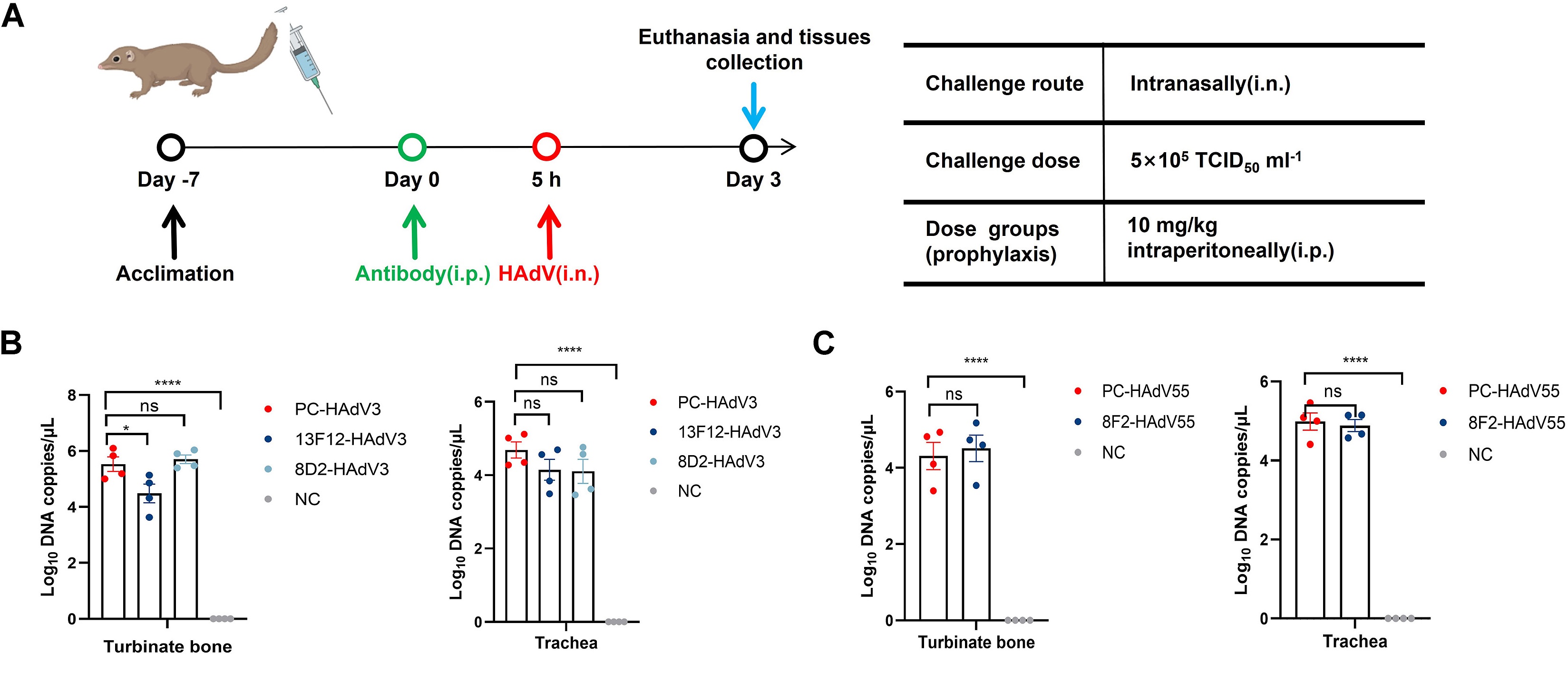
Human adenoviruses (HAdVs), particularly subgroup B serotypes HAdV-3 and HAdV-55, are associated with severe respiratory disease and currently lack targeted therapies. While neutralizing monoclonal antibodies (nMAbs) offer promising therapeutic potential, the specific nMAbs targeting these serotypes remain poorly characterized. Therefore, this study aimed to generate and evaluate the efficacy of serotype-specific nMAbs against HAdV-3 and HAdV-55. Mice were immunized with HAdV-3 virions, HAdV-55 virions, or recombinant fiber knob proteins (HAdV-55/-7) for the generation of serotype-specific nMAbs, and their efficacy was systematically evaluated using in vitro assays and an in vivo tree shrew model. Through comprehensive screening, eleven MAbs were identified with specificity against HAdV-3 (six clones) or HAdV-55/-7 fiber knob (five clones). Four nMAbs exhibited potent neutralizing activity: 13F12 (half-maximal inhibitory concentration, IC50: 3.8 μg/mL), 8D2 (IC50: 15.1 μg/mL), 3A3 (IC50: 14.9 μg/mL) against HAdV-3 virions, and 8F2 with neutralizing efficacy against HAdV-55 virions (IC50: 30.4 μg/mL). Western blot analysis revealed that MAbs 13F12 and 8F2 targeted the fiber protein, whereas 8D2 and 3A3 bound to the hexon protein. Furthermore, in vivo evaluations demonstrated that 13F12 significantly reduced viral loads in nasal turbinates and attenuated lung pathology in HAdV-3-infected tree shrews. Mechanistically, all tested anti-HAdV-3 nMAbs inhibited infection by blocking viral attachment (P < 0.01 vs. controls). In conclusion, this study underscores the therapeutic potential of targeting viral entry and highlights 13F12 as a promising candidate for HAdV prophylaxis.
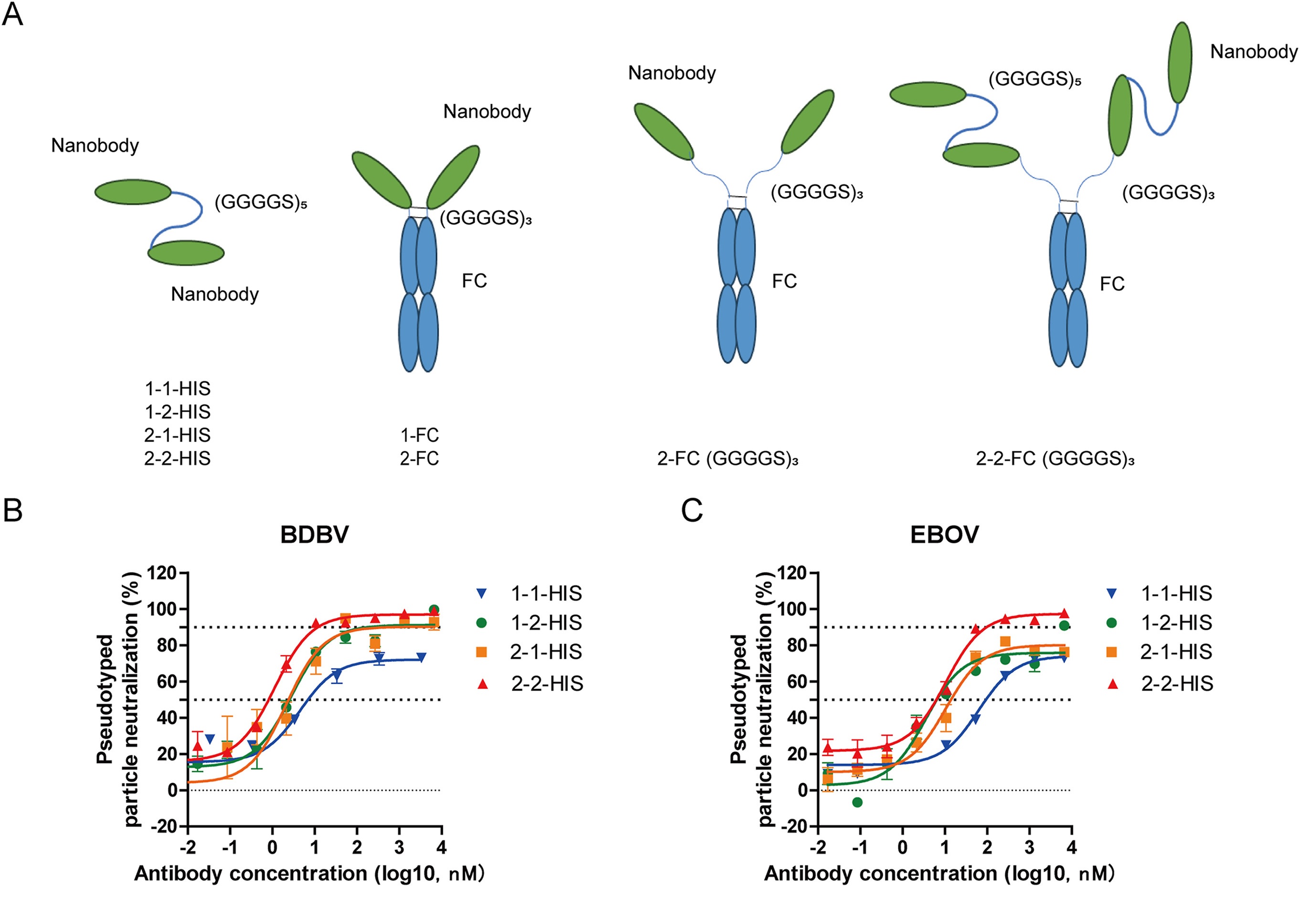
The Zaire Ebola virus (EBOV) and Bundibugyo virus (BDBV) cause severe hemorrhagic fever with high mortality, highlighting the urgent need for broad-spectrum antiviral therapies. Neutralizing nanobodies, with their small size, structural stability, and ability to access sterically restricted epitopes, represent a promising antiviral modality. Here, we identified a high-affinity nanobody, BDBV-Nb02, from a fully synthetic phage display library targeting the glycan cap of BDBV glycoprotein (GP1). BDBV-Nb02 demonstrated strong binding kinetics (KD ≈ 1 nM) and potent neutralizing activity against both BDBV and EBOV pseudoviruses, with half-maximal inhibitory concentration (IC50) values in the nanomolar range. Engineering a bivalent format significantly enhanced neutralization potency, achieving up to a 56-fold reduction in the 90% inhibitory concentration (IC90) compared with the monovalent form. Epitope competition assays and molecular docking revealed that BDBV-Nb02 targets a conserved glycan cleft, with residues F248 and NP278/279 identified as critical neutralization sites. In contrast, Fc-fusion constructs impaired the nanobody's efficacy, highlighting the importance of preserving the structural features that enable access to glycan-shielded epitopes. Our findings demonstrate that BDBV-Nb02 is a promising candidate for broad-spectrum orthoebolavirus therapy and may serve as a valuable component in future antiviral cocktail formulations.
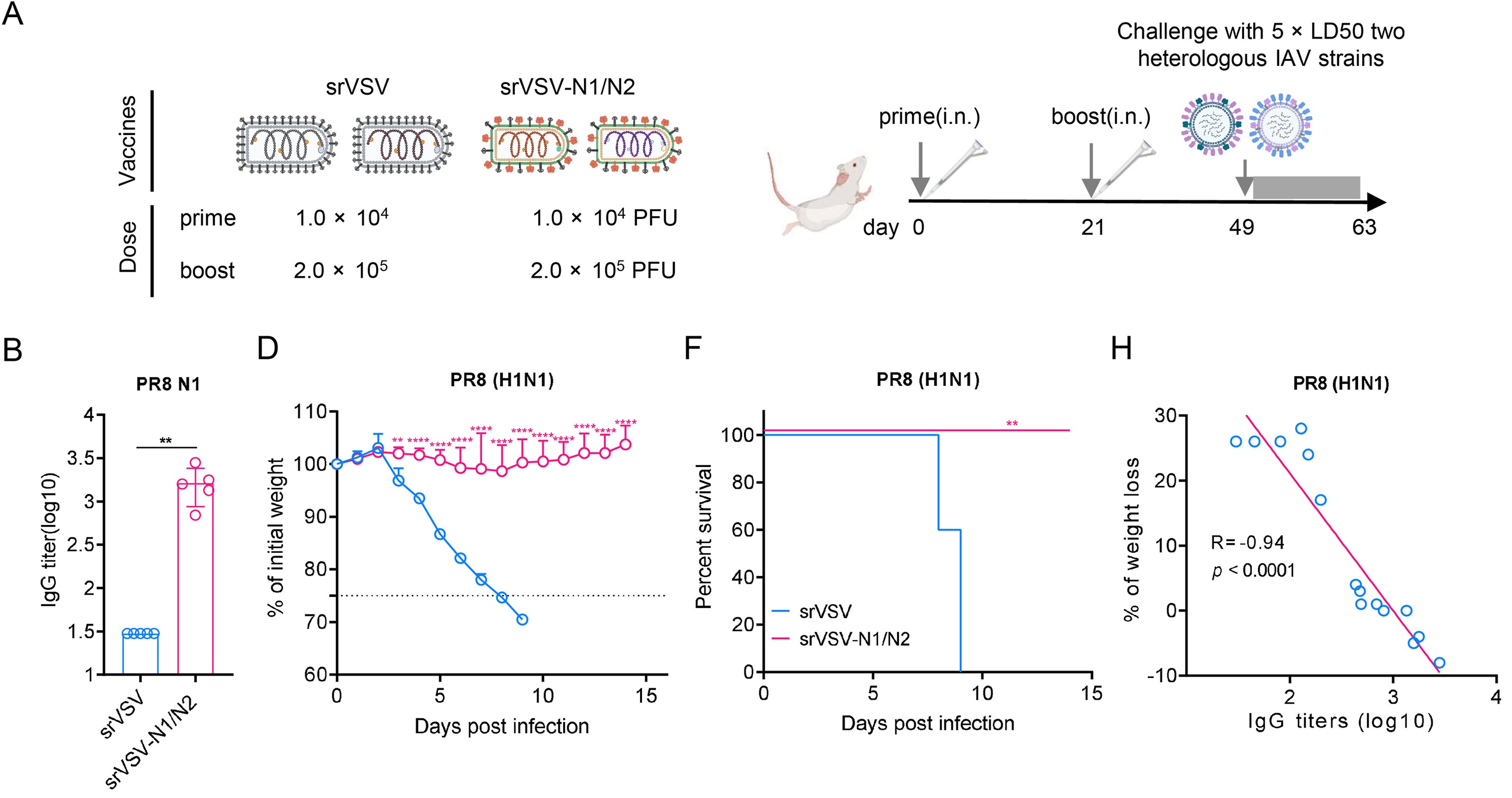
Influenza A viruses (IAVs) are significant respiratory pathogens characterized by high mutation rates and frequent genetic reassortments, underscoring the need for vaccines that can induce robust and broadly protective mucosal immunity. While replication-competent vesicular stomatitis virus (VSV) vectors have the potential to elicit mucosal immunity, their neurovirulence raises significant safety concerns. Herein, we report that a semi-replicating VSV (srVSV) vector, composed of one VSV with the glycoprotein (G) gene deleted (rVSVΔG) and another with the L gene deleted (rVSVΔL), has improved safety. Using srVSV, we constructed a monovalent vaccine (srVSV-N1), expressing the neuraminidase 1 (N1) of IAV. A single intranasal dose of srVSV-N1 elicited both systemic and mucosal immune responses against N1, and provided sterilizing immunity against homologous influenza virus. We further generated a bivalent IAV vaccine (srVSV-N1/N2), co-expressing N1 and N2. A single intranasal dose of srVSV-N1/N2 conferred 80% protection against heterologous IAVs (H1N1 and H3N2). Notably, low-dose priming immunization followed by a high-dose boost with srVSV-N1/N2 fully protected mice against lethal heterologous IAV challenges. These findings demonstrate the potential of the srVSV platform for developing mucosal vaccines against IAVs and other respiratory viruses.
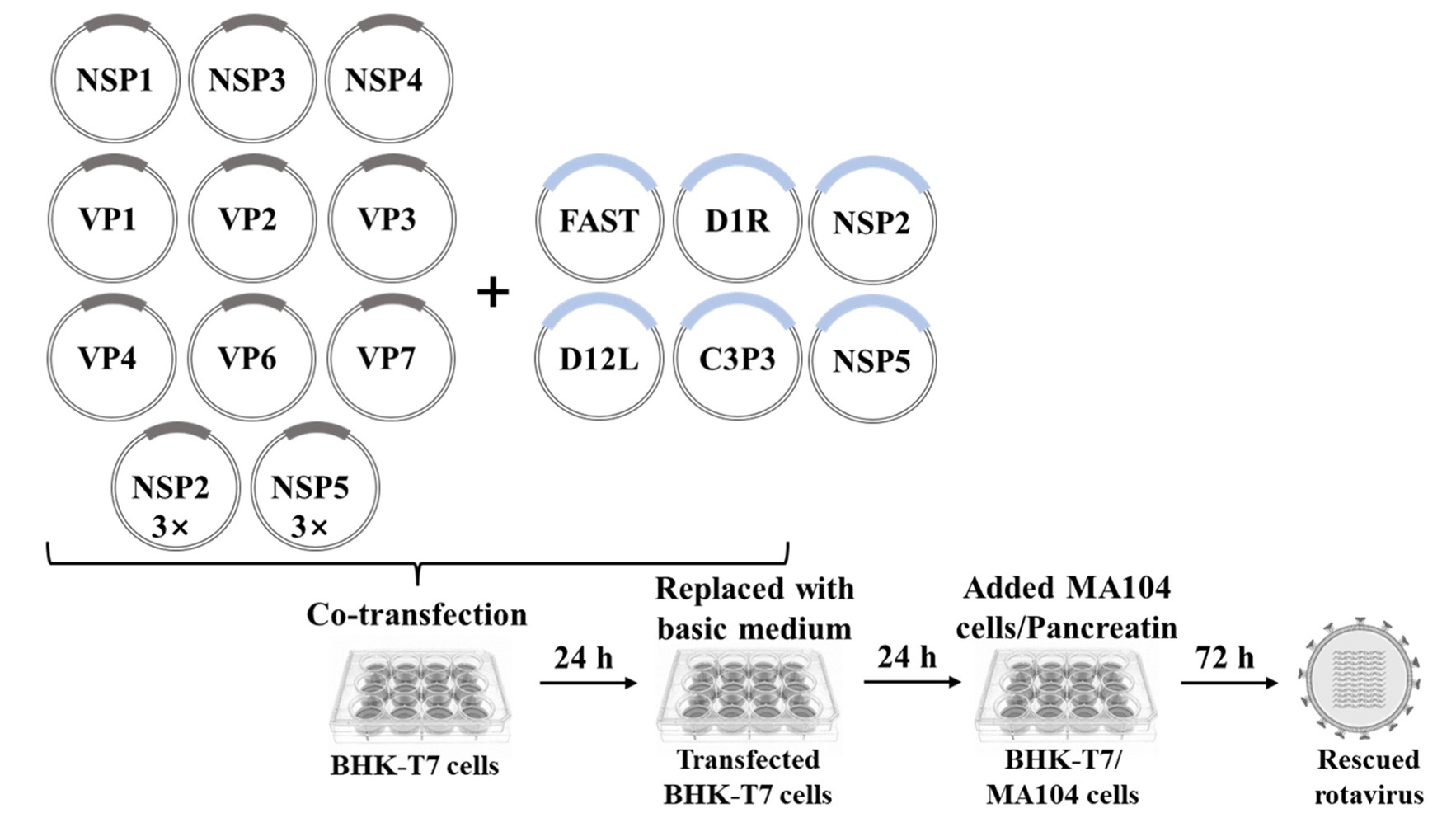
Group A rotaviruses (RVs) continue to be one of the most important pathogens causing severe acute gastroenteritis in infants and young animals worldwide. Recently, the prevalence of porcine RV (PoRV) from pig farms has strikingly increased, adversely affecting the swine industry, particularly with the G9 genotype of PoRV VP7 emerging as the predominant genotype spreading in China. Current vaccines against PoRV fail to provide sufficient protective immunity, necessitating urgent development of effective vaccines and antiviral drugs against PoRV. Here, we successfully established and improved the entirely plasmid-based reverse genetics (RG) system to rescue a G9 genotype of recombinant PoRV AHFY2022 strain (G9P[23]). Using the improved RG system, we rescued recombinant AHFY2022 harboring the fluorescent UnaG protein or nano-luciferase (NLuc) reporter within gene segment 7 that encodes non-structural protein 3 (NSP3). Furthermore, we adopted the UnaG reporter virus to screen anti-PoRV drugs and identified two promising antiviral drugs, C8 and C9. Moreover, we generated the recombinant PoRV (rAHFY2022-G5-VP7) containing G5 genotype of VP7 from PoRV-positive samples in the backbone of AHFY2022 strain. The reassortant strain exhibited efficient replication and genetic stability. Mouse models were utilized to evaluate the immune responses elicited by rAHFY2022-G5-VP7 strain in vivo, revealing similar neutralizing antibodies and cellular immune response compared to the parental AHFY2022 strain in mice. Together, this study provides an important tool for screening potential anti-PoRV drugs and developing novel vaccines against prevalent PoRV strains.
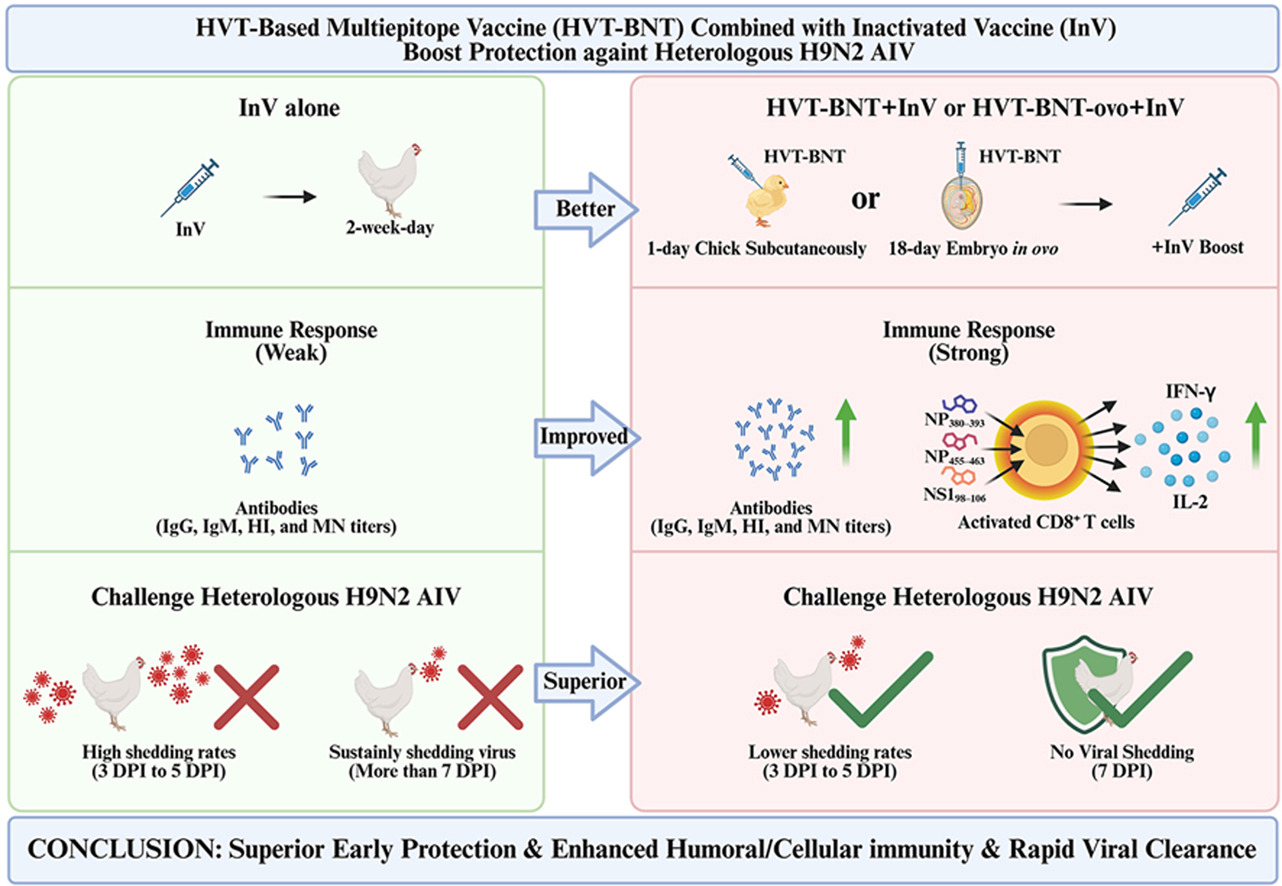
H9N2 avian influenza virus (AIV) poses a persistent threat as inactivated vaccines (InV) often fail to prevent viral shedding. To address this, we developed a recombinant turkey herpesvirus (HVT-BNT) expressing conserved B and T cell epitopes from H9N2 AIV to enhance both humoral and cellular immunity. HVT-BNT exhibited genetic stability over 15 serial passages and growth kinetics comparable to the parental strain in vitro. We evaluated immunization strategies of HVT-BNT combined with InV in 1-day-old chicks and 18-day-old embryos via subcutaneous (HVT-BNT + InV) or in ovo (HVT-BNT-ovo + InV) routes, respectively. Compared to InV alone, HVT-BNT + InV elicited significantly higher HI and neutralizing antibody titers, elevated IgG and IgM levels, and increased proportions of CD8+ T cells. Similarly, the HVT-BNT-ovo + InV group exhibited a trend of higher values in these indicators. Notably, while the InV group displayed no significant differences in key immune cytokines compared to the control group, the combined immunization groups exhibited significant upregulation of IFN-α, IFN-β, IFN-γ, IL-2, IL-5, IL-6, IL-10, and IL-13. Furthermore, ELISPOT assays confirmed enhanced IFN-γ secretion in response to conserved AIV peptides (NP380-393, NP455-463, and NS198-106) in the combined immunization groups. Following heterologous H9N2 AIV challenge, oropharyngeal positivity rates in the combined immunization groups were lower than those in the InV group at 5 DPI. Similarly, cloacal positivity rates were more reduced in the combined groups compared to the InV group at 3 and 5 DPI. By 7 DPI, viral shedding was completely cleared in both combined immunization groups, whereas the InV group continued to shed virus via the oropharyngeal route. These findings demonstrate that the HVT-BNT-based vaccination strategy effectively enhances both humoral and cellular immune responses, providing superior early protection. While the in ovo strategy provides a viable hatchery intervention, the subcutaneous route exhibits the superior immune activation and protection compared with conventional InV alone.
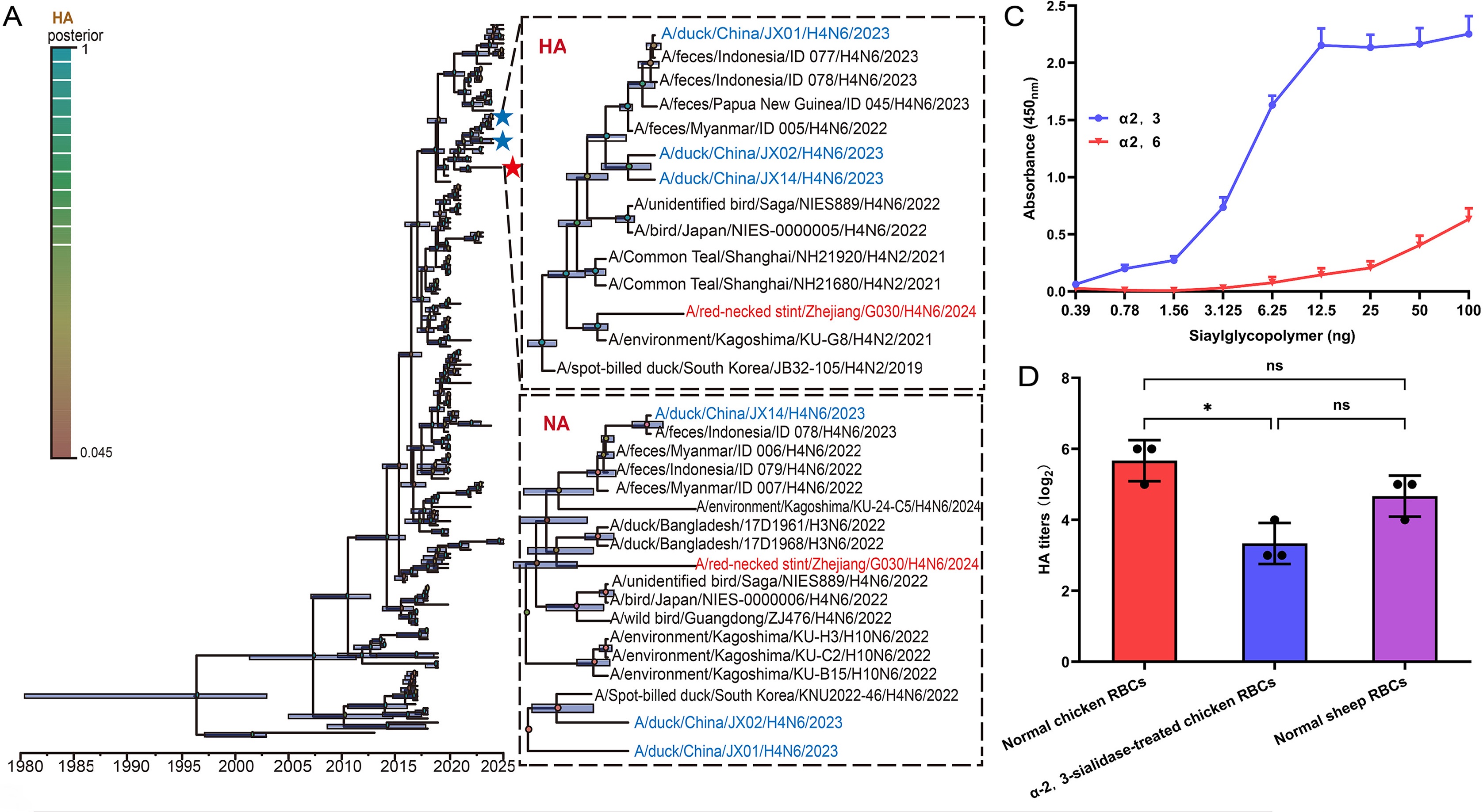
Highlights 1. The H4N6/G030 strain, a novel H4N6 avian influenza virus (AIV), was isolated from a red-necked stint. 2. The H4N6/G030 is a novel cross-species reassortant derived from wild bird and poultry AIV lineages. 3. The H4N6/G030 binds avian and mammalian-type sialic acid receptors, replicates in their cells, and causes disease in animals. 4. High seroprevalence of H4N6 was observed on surveyed poultry farms nearby.
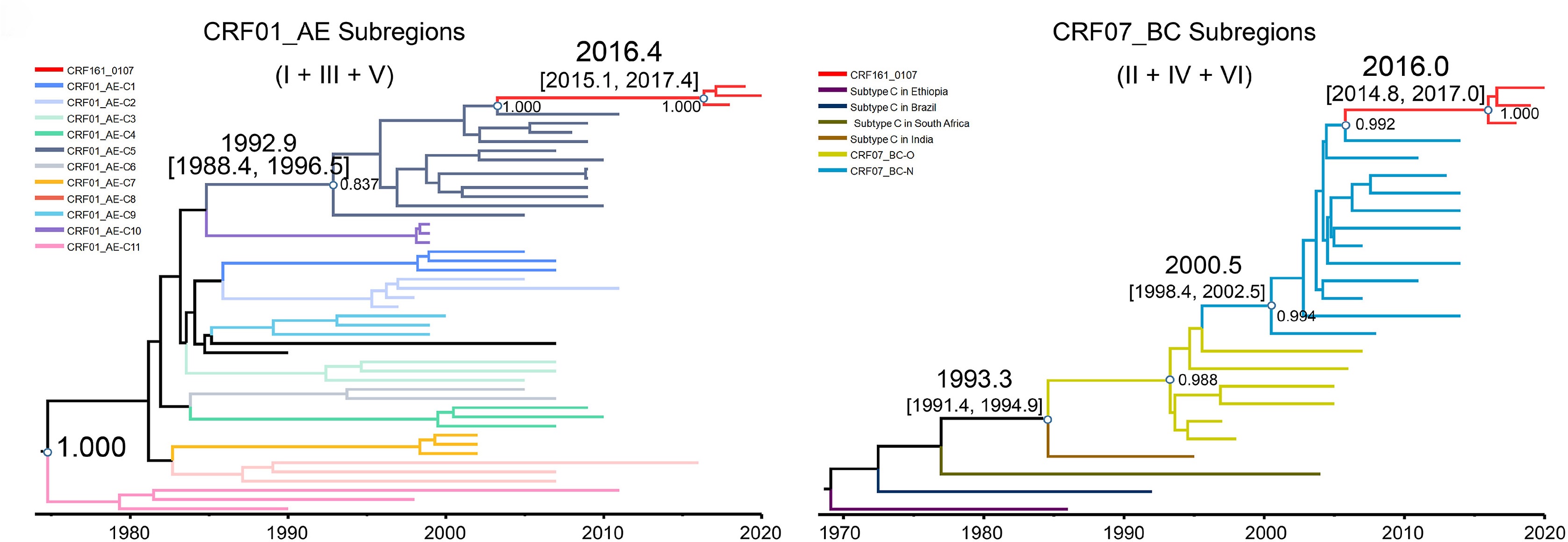
Highlights 1 Identification of a novel HIV-1 circulating recombinant form (CRF161_0107) in Chinese men who have sex with men. 2 CRF161_0107 emerged around 2016, exhibiting unique CRF01_AE-C5 and CRF07_BC-N parental lineages. 3 This is the first report of a CRF derived from CRF01_AE-C5 in southwestern China, suggesting viral migration. 4 The finding underscores the ongoing evolution of HIV-1 via recombination in key populations such as MSM.
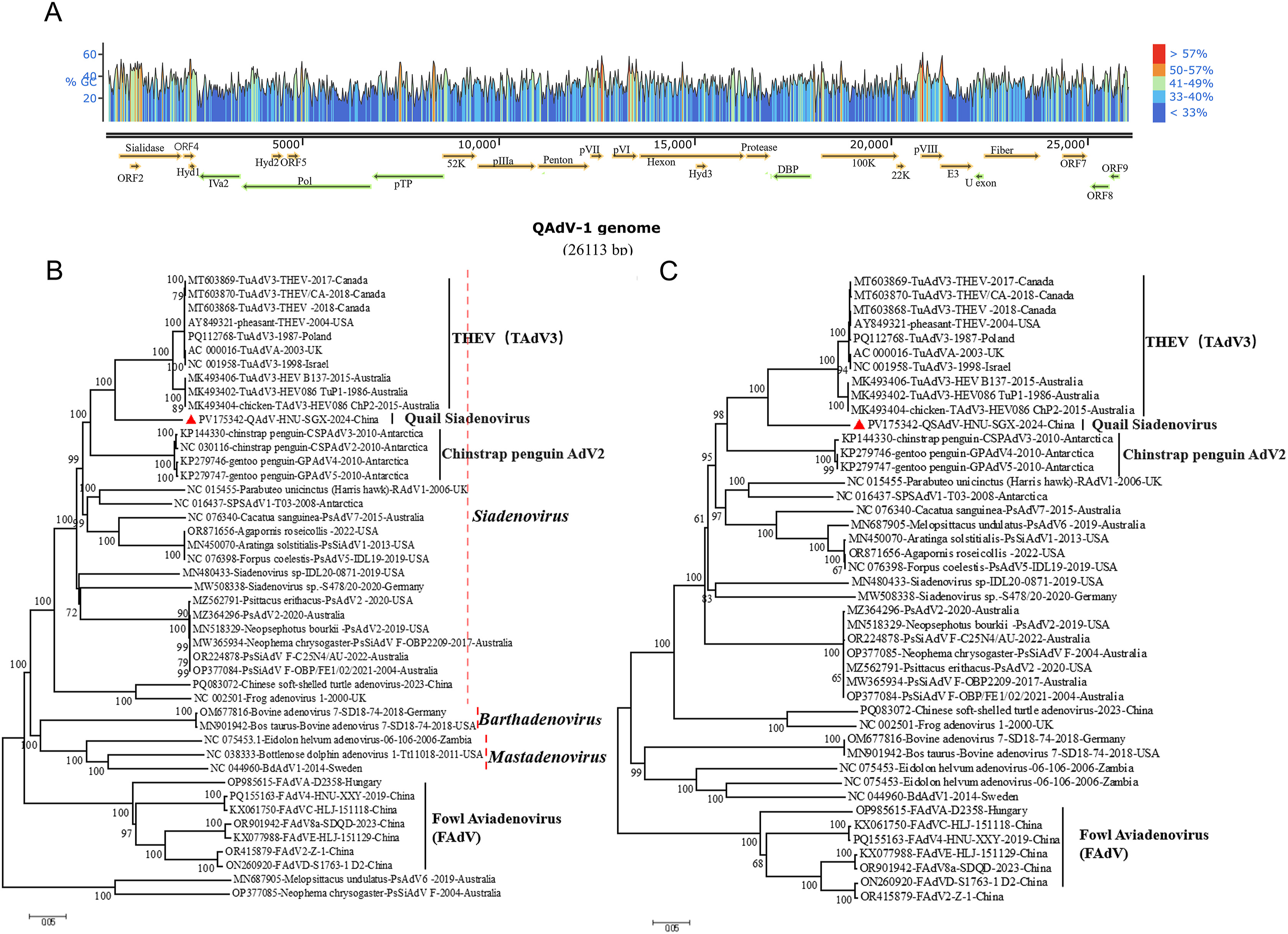
Highlights 1 A quail siadenovirus (QAdV-1) was identified to be associated with ulcerative enteritis-like disease. 2 QAdV-1 is a novel member of the genus Siadenovirus in the family Adenoviridae. 3 QAdV-1 shows the highest identity to Turkey hemorrhagic enteritis virus. 4 Animal studies evidenced that QAdV-1 is pathogenic to quails and can transmit cross-species to chickens.
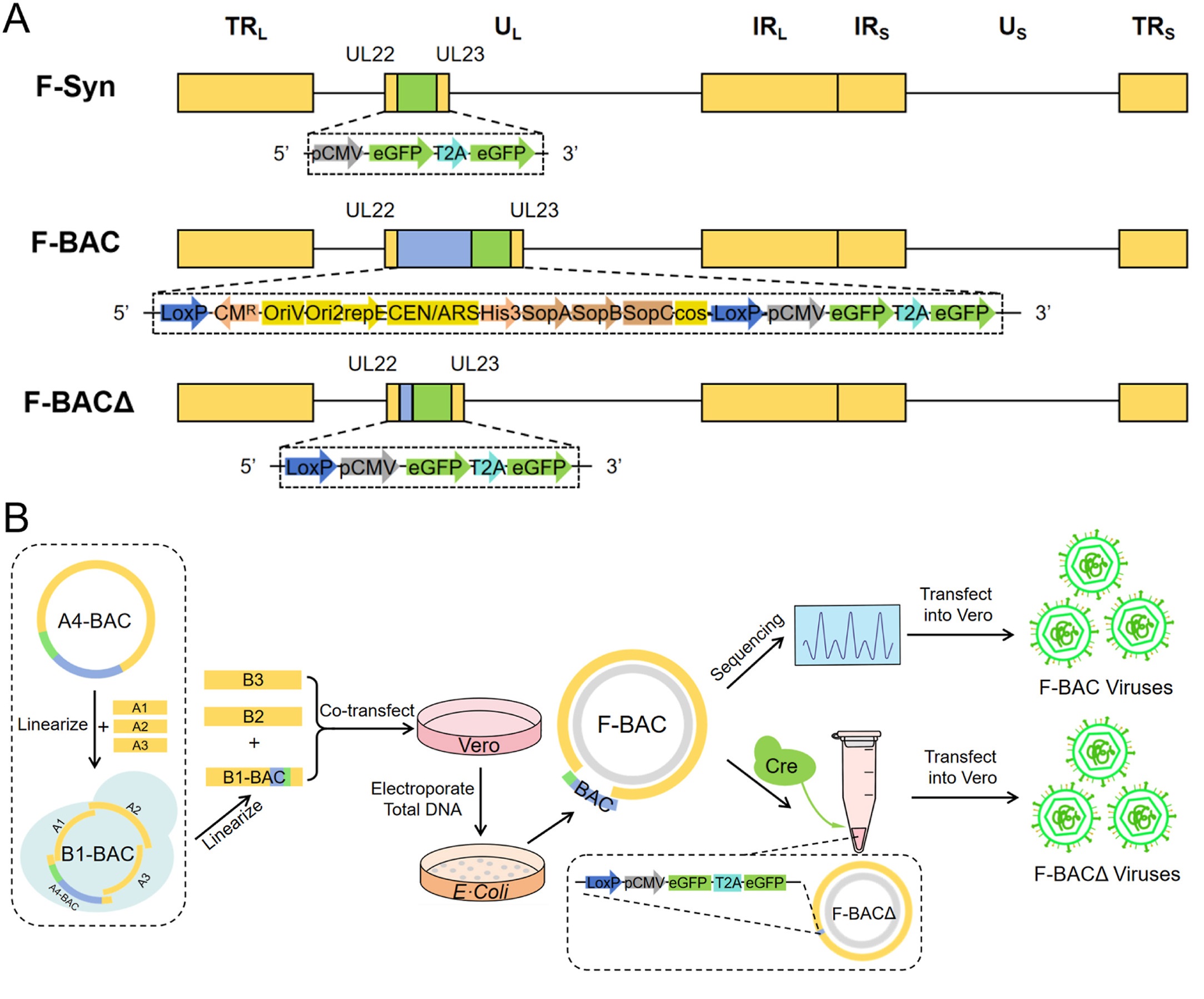
Highlights 1 A novel BAC of HSV-1 F-strain was generated by synthetic biology. 2 The BAC sequence could be removed from F-BAC via in vitro Cre-LoxP recombination. 3 The resulting F-BACΔ virus shows replication property similar to the wild-type virus.
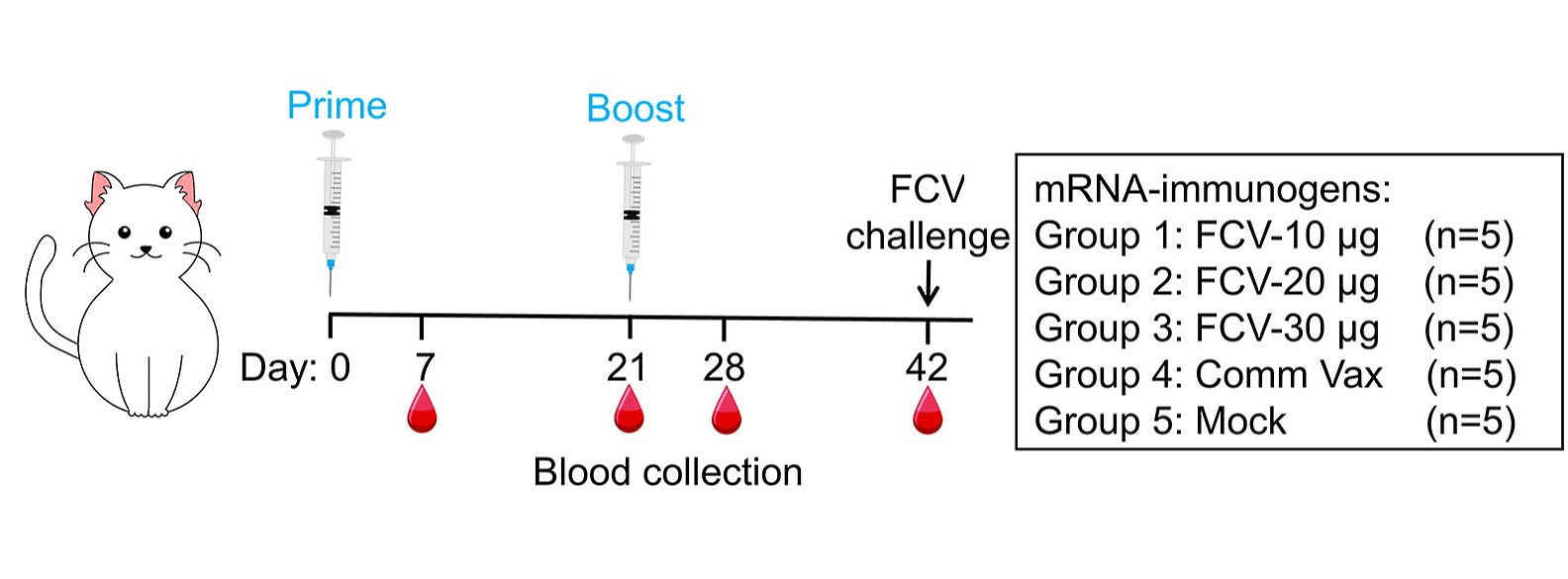
Highlights 1 An FCV-VP1 mRNA-LNP vaccine was constructed, utilizing a safe, flexible non-viral platform. 2 The vaccine elicits effective, durable neutralizing antibodies, protecting cats from FCV challenge. 3 This mRNA vaccine provided complete protection in cats, offering a novel effective strategy against FCV infection.
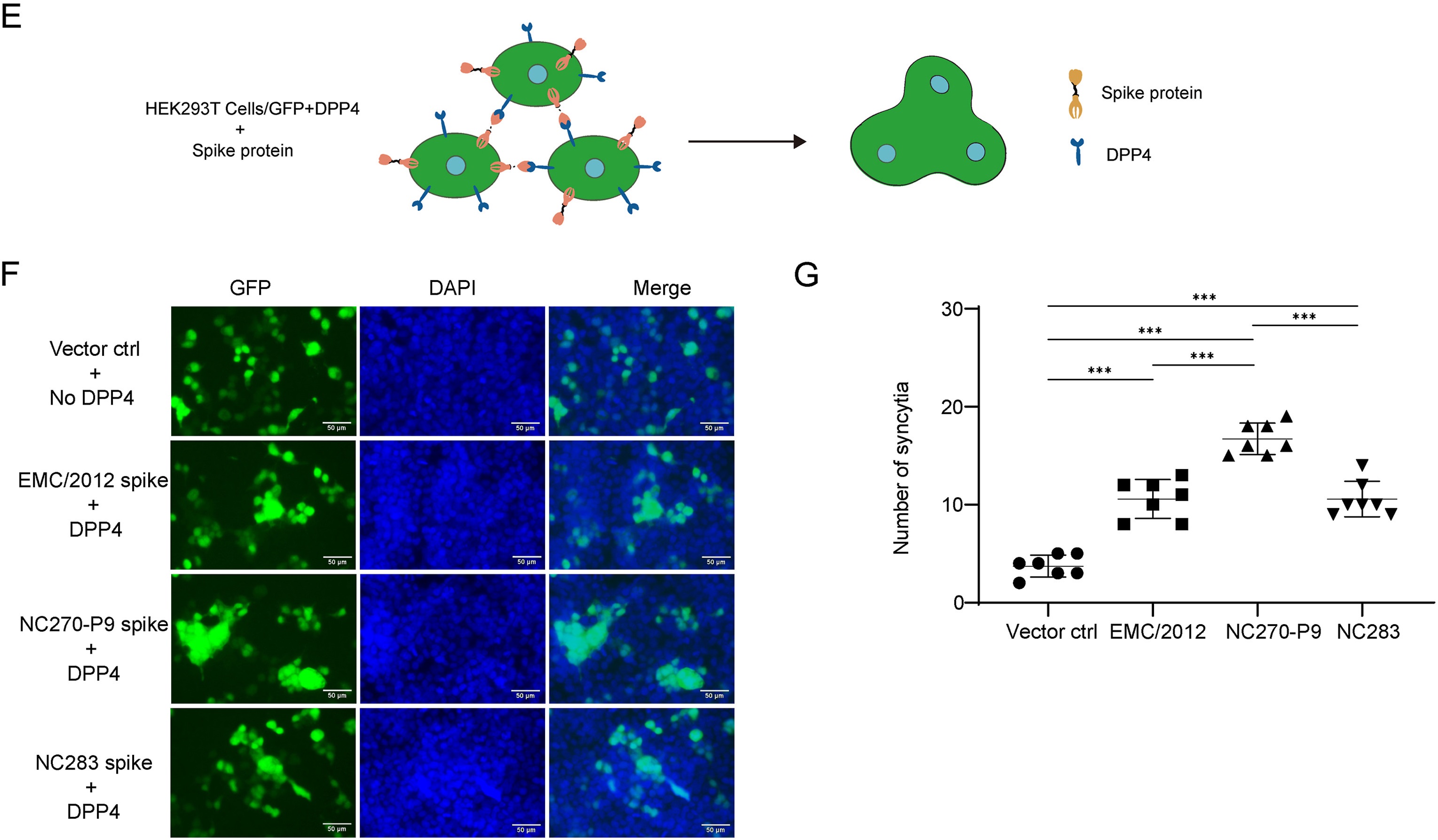
Highlights 1 A novel 5-aa insert, TSGVF, is present at the S2' cleavage site of the spike protein of MERS-CoV from dromedary camels. 2 Pseudovirus-based entry assays showed that the TSGVF insert increases viral entry efficiency in different human cells. 3 Pseudovirus with TSGVF insert at the S2' cleavage site showed strong resistance to TMPRSS2 inhibitor. 4 The natural occurrence of TSGVF insert at the spike S2' cleavage site enhances viral membrane fusion and syncytia formation.