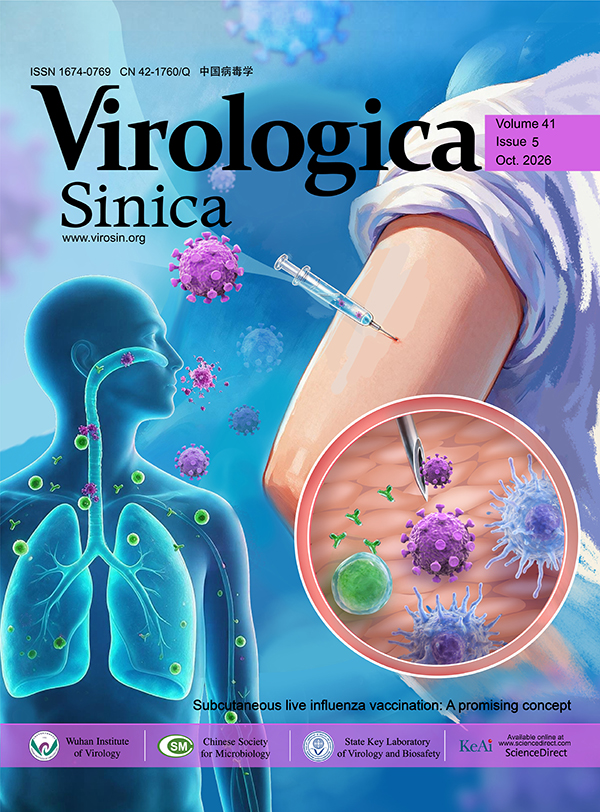
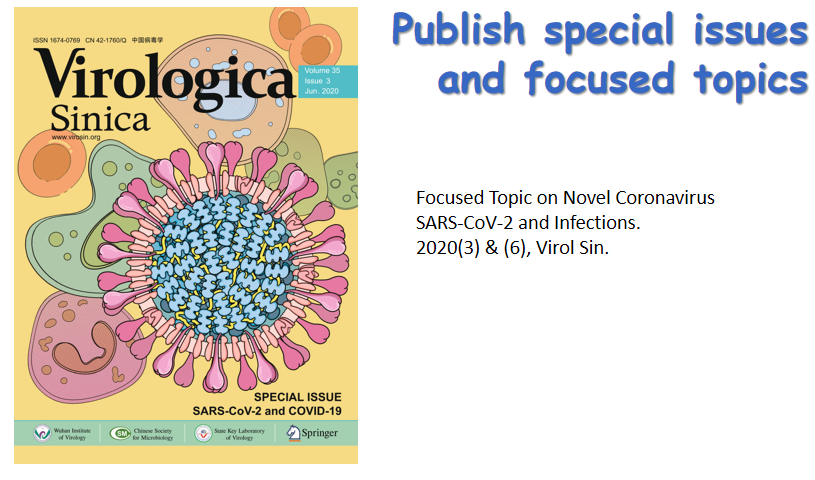
Influenza A virus remains a global health threat, and current vaccines face a trade-off between safety and immunogenicity. In a murine model, Wang et al. show that subcutaneous (SC) immunization with a non-attenuated, replication-competent live influenza A virus (LIV) decouples immunogenicity from pathogenicity. Single high-dose SC immunization elicited sterile-like pulmonary protection against lethal challenge, outperforming intramuscular delivery and inactivated vaccines, and sustained 100% protection for 277 days post-immunization. Viral replication was transient and restricted to the injection site and draining lymph nodes, with no systemic spread to lungs or the central nervous system. Single-cell transcriptomics reveals SC delivery triggers initiates local type I interferon responses that promote strong germinal center formation, supporting plasma cell differentiation and memory B cell formation. These findings outline a future vision for exploring peripheral LIV administration as a potential vaccination strategy. The cover depicts the SC injection site, where innate immune cells form a localized immune “firewall.”. See pages 1184-1199 for details.
The DNA damage response (DDR) network maintains genomic integrity, functions as a signaling hub that viruses exploit to drive pathogenesis, and constitutes a central interface between viral infection and host cell fate. This review discusses the molecular mechanisms by which viruses subvert host DDR pathways, with an emphasis on viral replication, latency, immune evasion, and host genomic instability. Representative examples include PARP1-dependent ccDNA stabilization by hepatitis B virus (HBV), MRN complex sequestration by herpes simplex virus type 1 (HSV-1) for immune evasion, ATM signaling modulation by human immunodeficiency virus (HIV) to maintain viral latency, and DDR activation triggered by RNA viruses including severe acute respiratory syndrome coronavirus 2 (SARS-CoV-2), Zika virus (ZIKV), and influenza A virus (IAV) via oxidative stress. We evaluate emerging DDR-targeted antiviral strategies, including restoring intrinsic host restriction, exploiting synthetic lethality of dysregulated DDR kinases, and therapeutically modulating DDR-innate immune crosstalk to restore antiviral surveillance (e.g., by stabilizing MRE11 or inhibiting PARP7). Bridging molecular insights with clinical translation, this review positions DDR targeting as a mechanism-driven, host-directed antiviral paradigm.
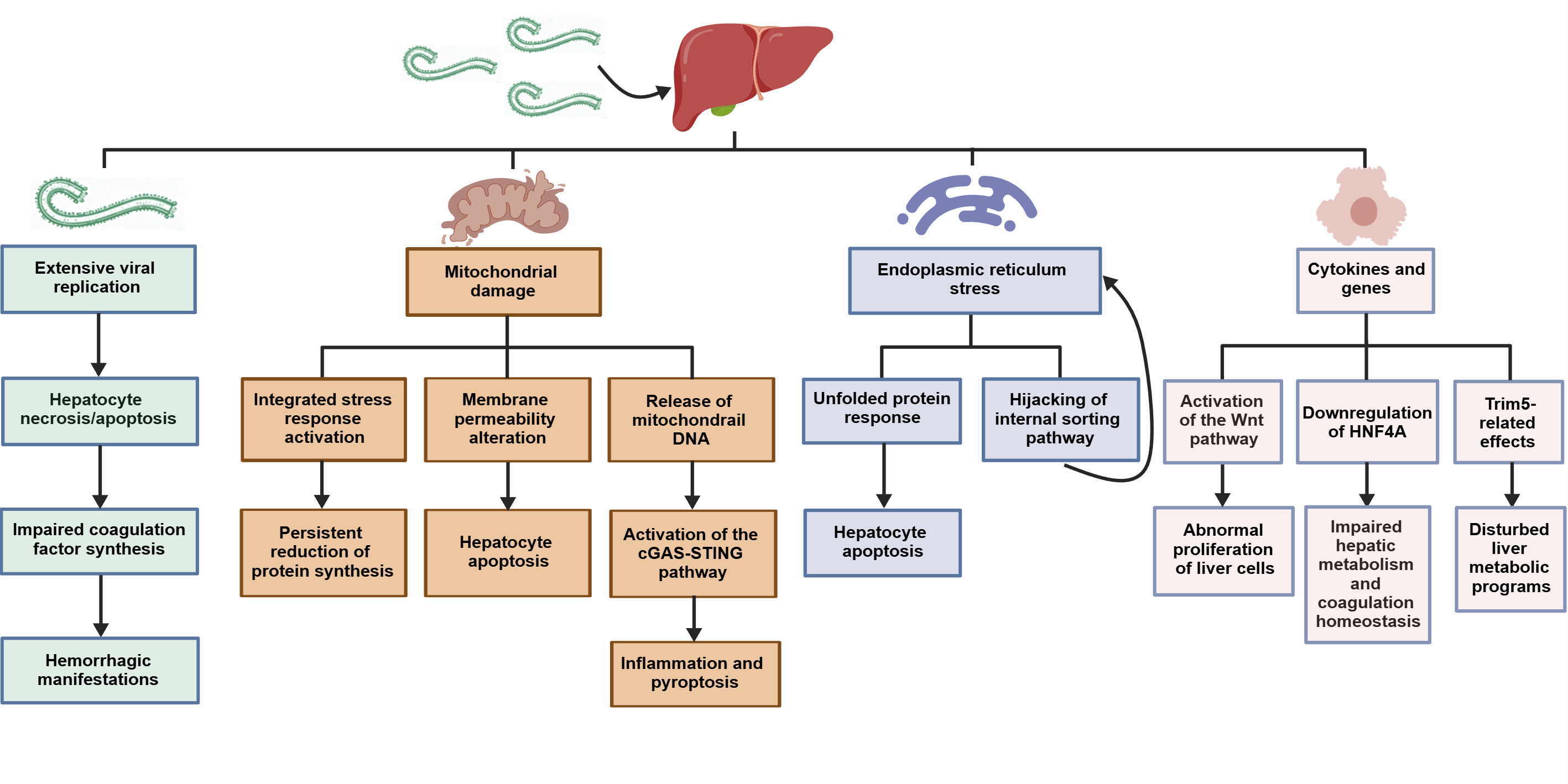
Ebola virus (EBOV) causes severe and often fatal Ebola virus disease (EVD) in humans, posing a major threat to global public health. Since EVD was first identified in the Democratic Republic of Congo (DRC) in 1976, the World Health Organization (WHO) has declared it a Public Health Emergency of International Concern (PHEIC) on three occasions. EBOV infection is characterized by rapid progression from non-specific febrile illness to severe gastrointestinal symptoms, followed by hemorrhagic fever and multi-organ dysfunction, with case fatality rates reaching as high as 90%. The liver is a primary target of EBOV, and virus-induced liver injury is characterized by elevated aspartate aminotransferase (AST) levels, mild hyperbilirubinemia, impaired coagulation factor synthesis, hepatocyte necrosis, and robust inflammatory responses, all of which are closely correlated with disease severity and mortality risk. In this review, we summarize the characteristics and mechanisms of EBOV-induced liver injury, which may help to further elucidate the pathogenesis of EVD and provide novel strategies for combating EBOV infection.
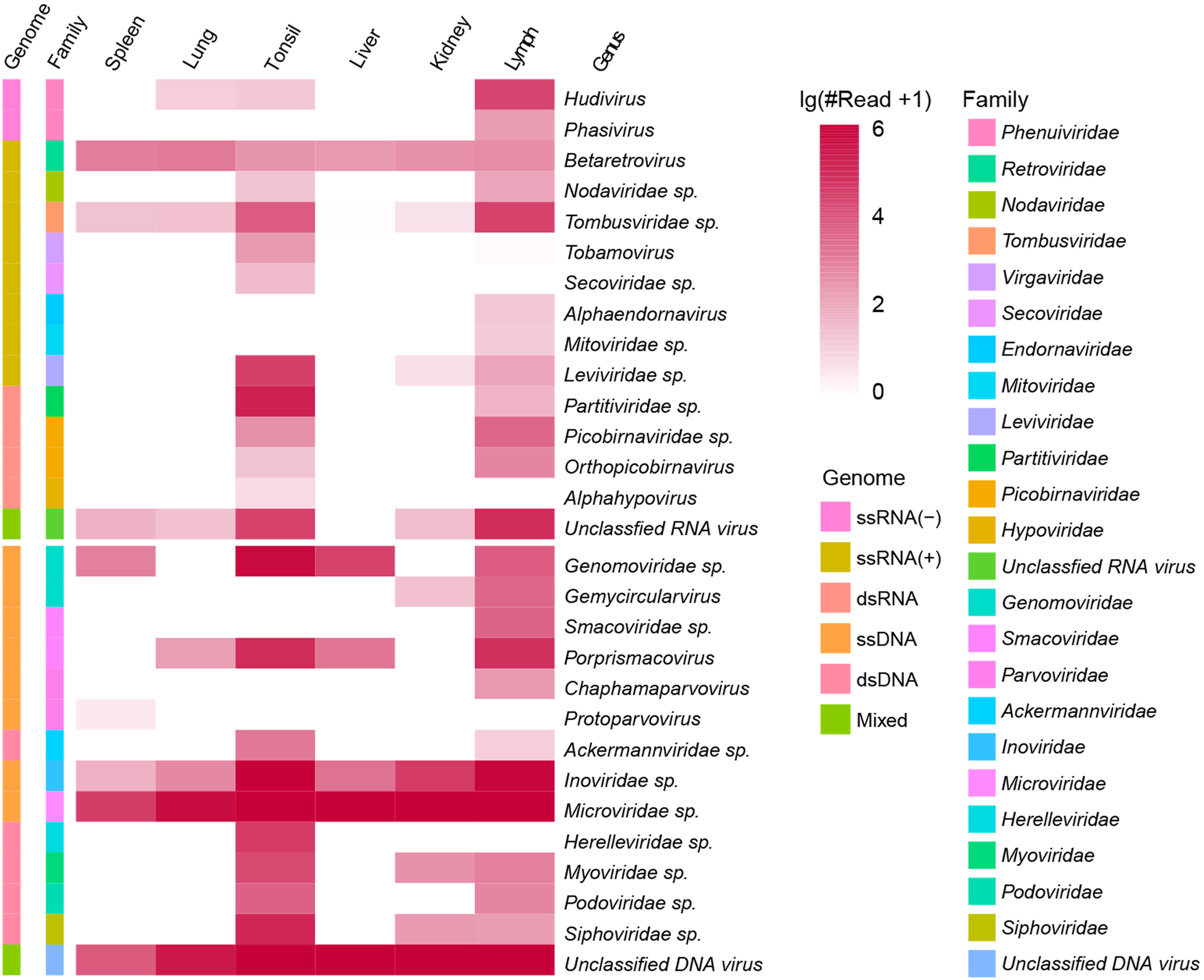
The Chinese goral (Naemorhedus griseus) is identified as a vulnerable species on the Red List of China's Biodiversity and listed as a national second-class key protected wild animal in China. Despite its widespread distribution in China, there has been scant research into the pathogens harbored by this species, and our understanding of the virus diversity remains limited. In the present study, we performed the whole virome profiling of a rescue-failed Naemorhedus griseus, which identified a diverse viral community across multiple organ tissues of the animal. Specifically, abundant bacteriophages, several plant-derived viruses, and multiple mammalian viruses, i.e., two distinct parvoviruses, novel picobirnaviruses, and a novel phenuivirus. Additionally, virus-carrier determination analysis that Naemorhedus griseus-borne viruses are related to plants, mammals, and arthropods. These data provide the first insight into the genetic diversity of Naemorhedus griseus-borne viruses, and their transmission dynamics across humans, domestic animals, arthropods, and wildlife. This study not only expands the existing repertoire of viral genomic information and delineates the host range of these pathogens but also underscores the imperative of implementing a One Health strategy for the surveillance and control of wildlife-borne viral pathogens.
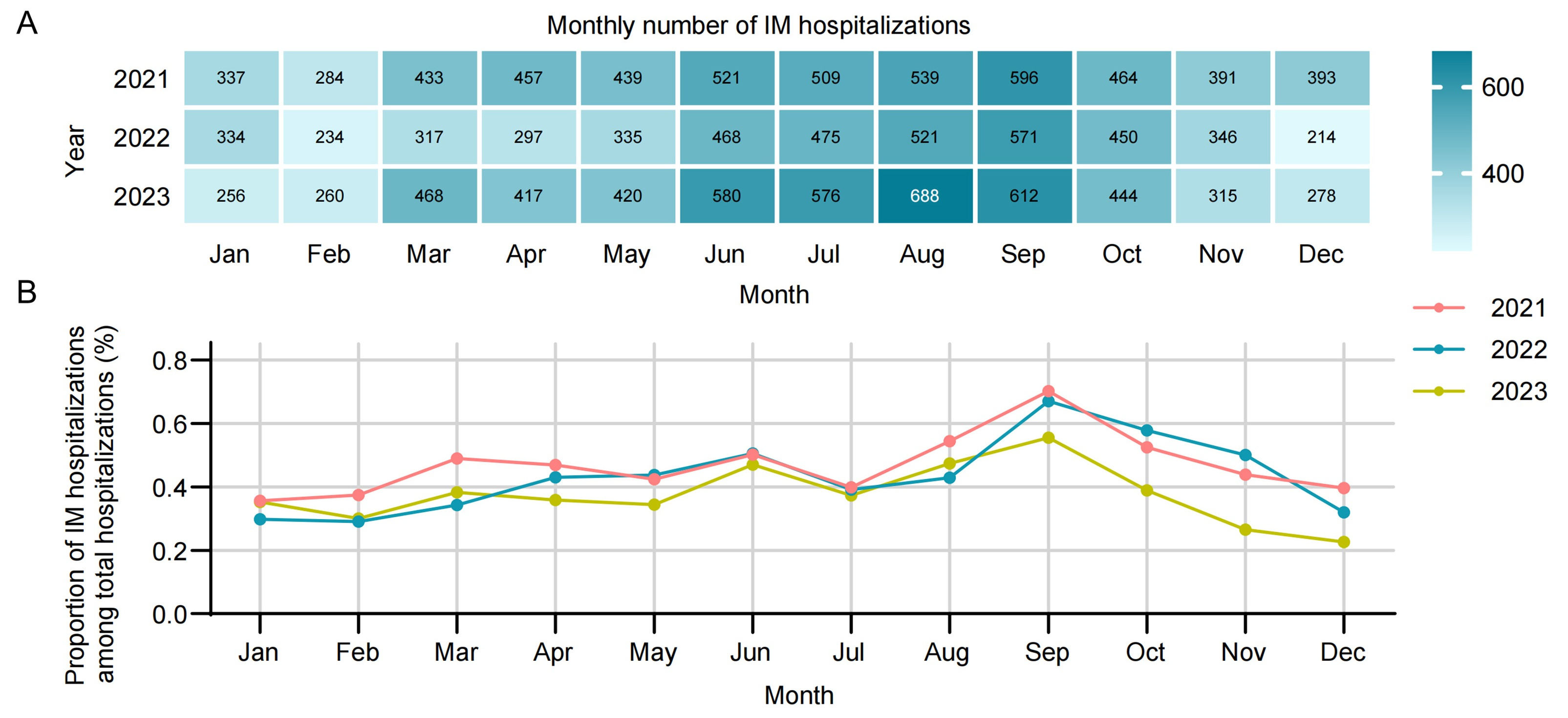
This multicenter study described the epidemiological characteristics, recorded first-ranked secondary diagnoses, and in-hospital burden of pediatric infectious mononucleosis (IM) hospitalizations in China during 2021-2023. Data were obtained from the FUTURE database. We identified hospitalizations with IM as the principal discharge diagnosis from discharge-record front pages at 31 tertiary children's hospitals between January 1, 2021, and December 31, 2023, and analyzed demographic, geographic, temporal, diagnostic, length-of-stay (LOS), and expense data using descriptive statistics and multivariable regression. Among 15,239 IM hospitalizations, representing 0.42% of all hospitalizations, the male-to-female ratio was 1.34. Children aged 4-6 years comprised the largest group, followed by those aged 1-3 and 7-12 years; 70.32% were urban residents, and admissions peaked in August and September. After adjustment for age, sex, seven-category geographic area, and month, the proportion of IM hospitalizations among all hospitalizations was lower in 2023 than in 2021-2022 (adjusted rate ratio, 0.822; 95% CI, 0.784-0.861; P < 0.001). A first-ranked secondary diagnosis was recorded in 68.29% of cases; bronchitis/pneumonia was the most common category, followed by hepatic dysfunction. Median LOS was 7 days, and median hospitalization expense was CNY 5563.07. Encephalitis was recorded in only 15 cases, which had the highest observed median LOS and hospitalization expenses. These findings provide a large multicenter baseline for the epidemiological patterns and in-hospital burden of pediatric IM hospitalizations across participating tertiary children's hospitals in China and may inform future surveillance and resource planning.
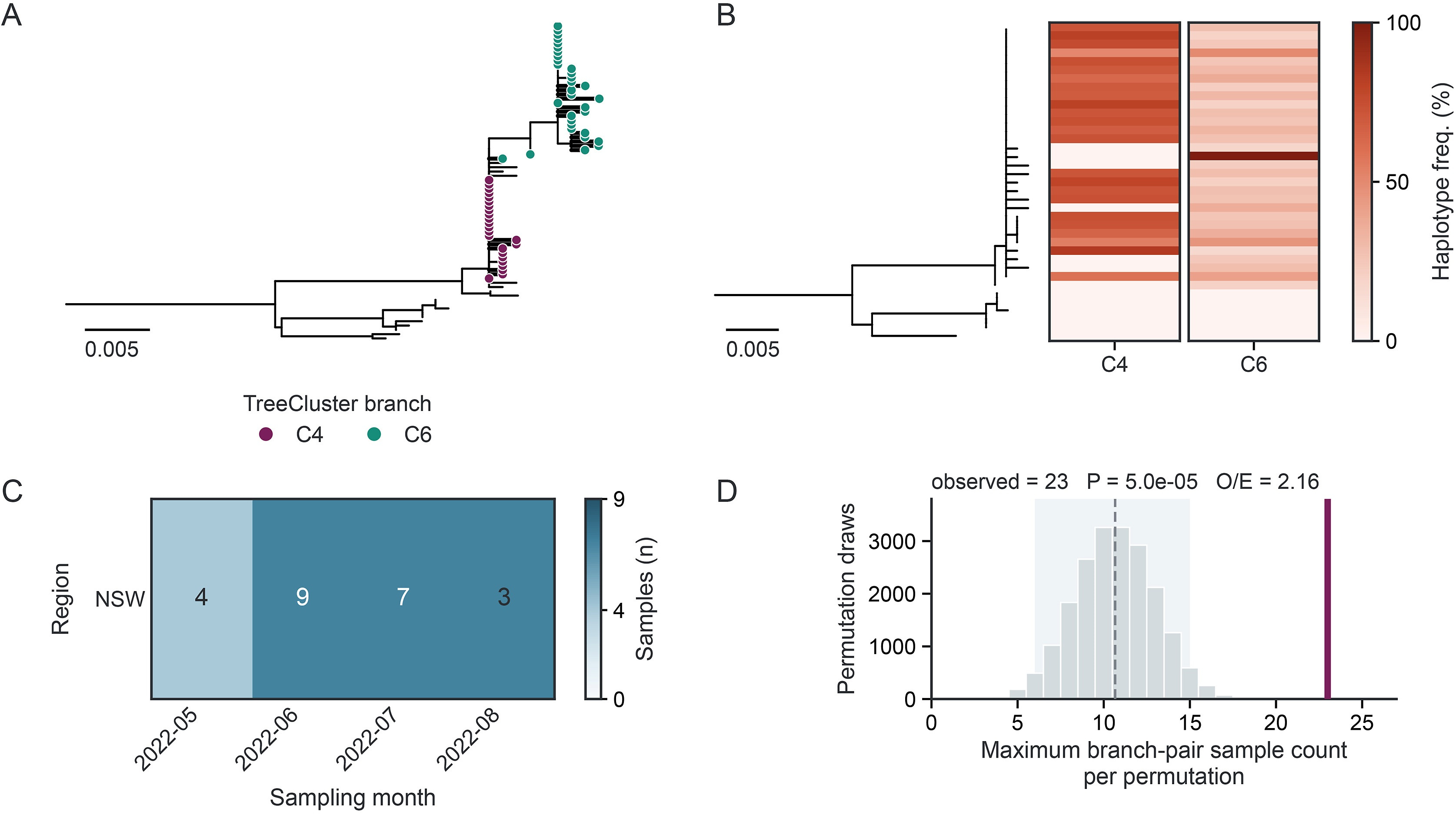
Respiratory syncytial virus (RSV) is a leading cause of infant hospitalization worldwide. Its molecular epidemiology rests on consensus G-gene sequences, which capture only the dominant virus in each infection. Deep sequencing reveals far more variation inside each host. Linking those variants to one another gives a finer view of transmission. Here we reconstructed G-gene haplotypes from two independent RSV-A deep-sequencing datasets (Australia, n = 37; United States, n = 72). We phased variants using read-level linkage, then placed each haplotype on a global phylogeny. More than 90% of samples carry multiple haplotypes, which often sit on distinct phylogenetic branches. One cross-branch pair dominates each dataset: C4+C6 in 23 of 37 Australian samples (62%), and C18 + C21 in 26 of 72 US samples (36%). Both pairs recur far more often than month- and region-matched permutations predict (both P = 5.0 × 10⁻⁵). Mutation-probability calculations suggest that recurrent within-host de novo mutation is unlikely to fully account for these patterns, particularly for the five linked sites in C4+C6 (probability ≤5.36 × 10⁻¹⁵). Repeated joint introduction of pre-existing haplotypes offers a simpler explanation, and transmission-chain sampling can now test it directly. All branch-defining sites mapped to G-HVR2. In the examined global consensus G-gene set, dominant-branch states appeared, while minor-branch combinations were not detected under our criteria. Haplotype-resolved analysis thus turns sub-consensus diversity into linked, interpretable epidemiological signal.
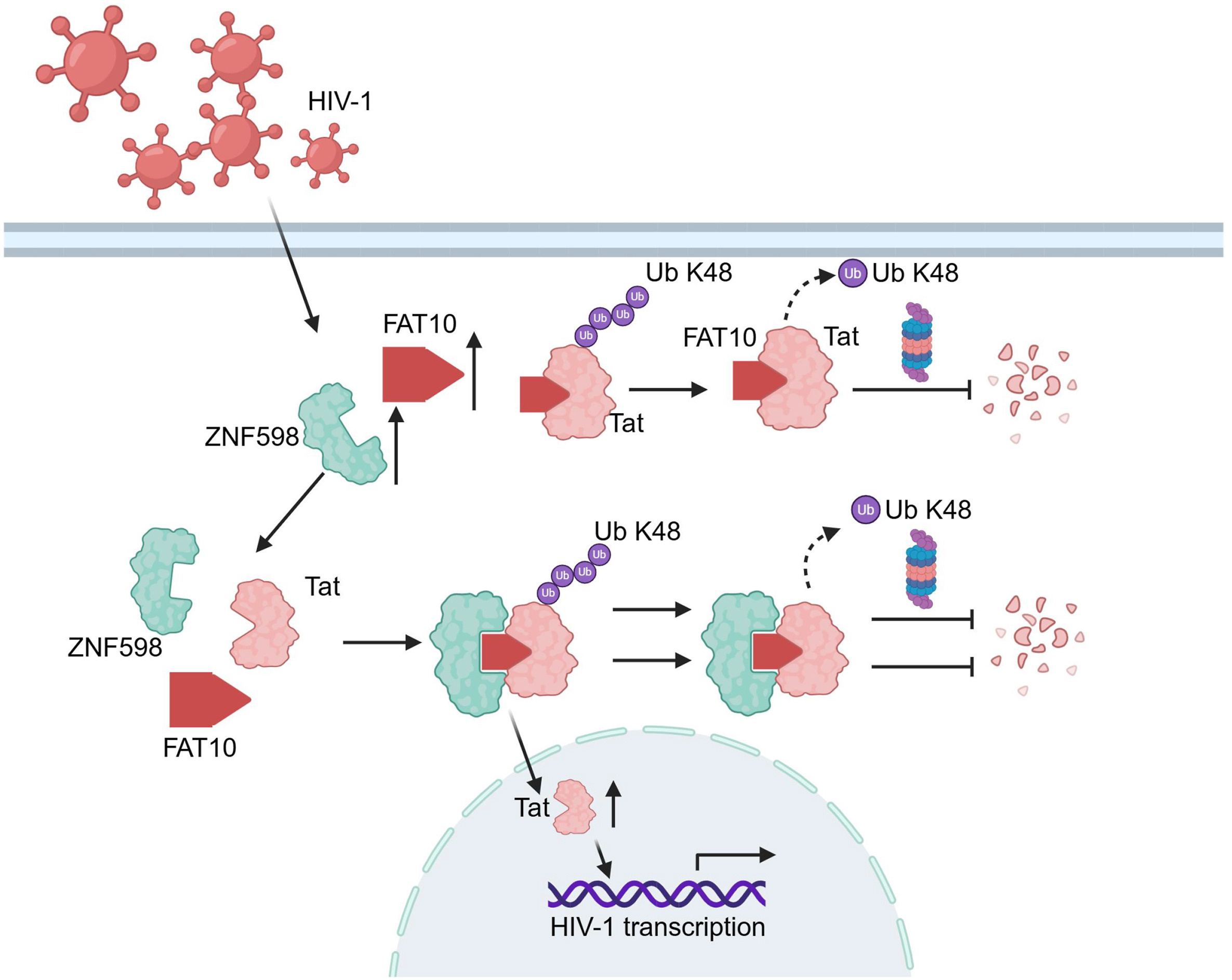
Human immunodeficiency virus type 1 (HIV-1) Tat is essential for efficient viral transcription and replication, and its stability is tightly controlled by host factors. In our previous study, we showed that ZNF598 stabilizes Tat and promotes HIV-1 replication through an E3 ligase activity-independent mechanism. Here, we identify FAT10 as a critical mediator of this effect. FAT10 knockout in HEK293T cells or FAT10 knockdown in Jurkat T-cell infection models markedly impaired the ability of ZNF598 to suppress Tat K48-linked ubiquitination, increase Tat abundance, and enhance HIV-1 replication. Mechanistically, FAT10 reduced Tat K48-linked ubiquitination, stabilized Tat, and promoted HIV-1 transcription and replication. Direct GST pull-down assays further demonstrated that FAT10 directly binds Tat in vitro, and this interaction was retained by a FAT10 mutant lacking the C-terminal diglycine motif, supporting a predominantly non-covalent mechanism rather than canonical FAT10ylation. Consistently, ZNF598 enhanced the FAT10-Tat interaction, whereas ZNF598 knockdown attenuated FAT10-mediated Tat stabilization and proviral effects. In addition, the N-terminal 1-32 amino acids of Tat were required for responsiveness to both ZNF598 and FAT10. Finally, FAT10 expression was increased in HIV-1-infected cells and in CD4+ T cells from HIV-infected individuals, where it was associated with clinical markers of disease activity and viral load. Together, these findings define a ZNF598-FAT10-Tat regulatory axis that promotes HIV-1 transcription and replication.
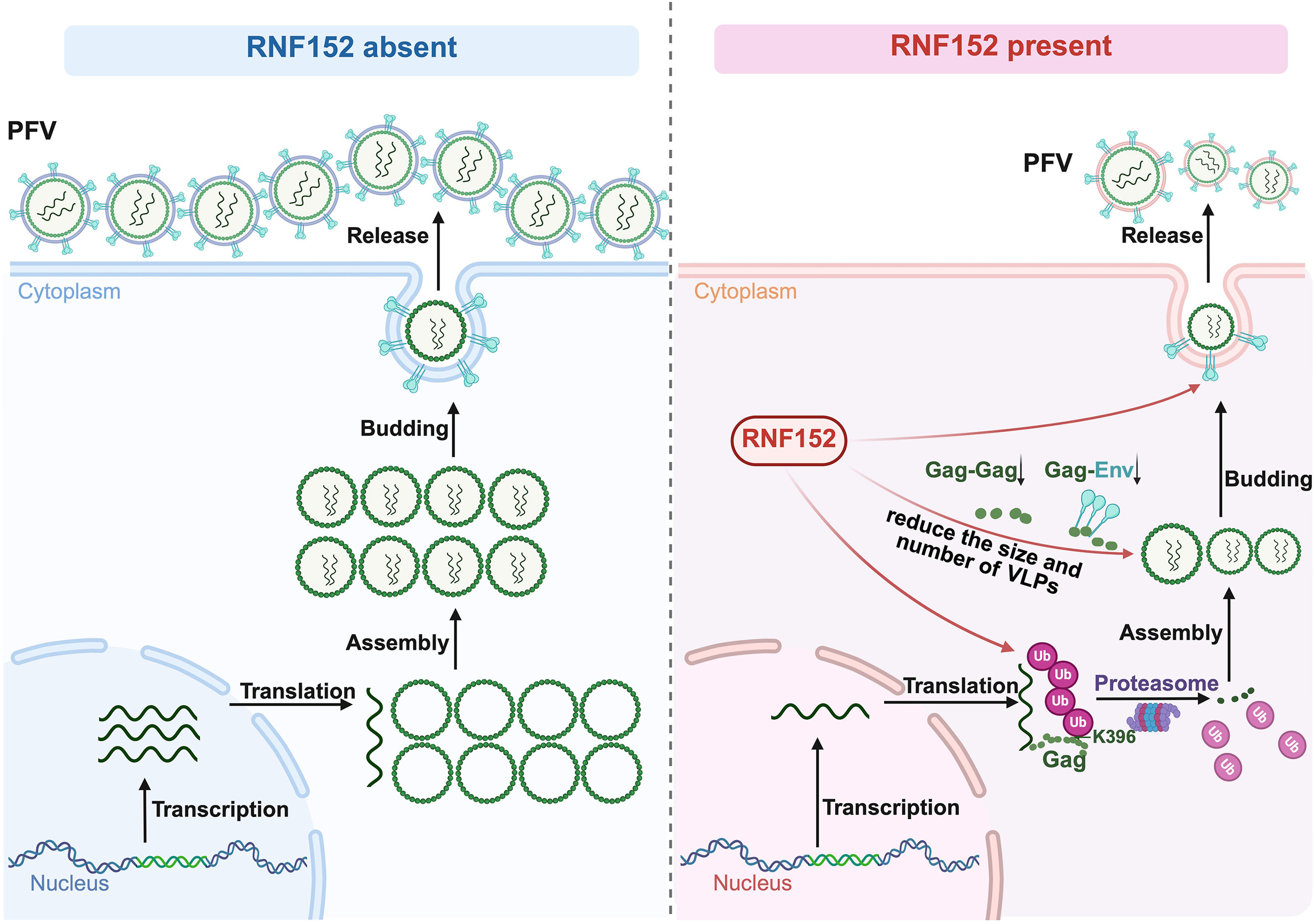
Prototype foamy viruses (PFVs) are complex retroviruses that establish long-term latent infections in hosts without causing disease, positioning them as potential safe gene transfer vectors. Understanding the host proteins involved in PFV replication and their interaction mechanisms may enhance gene transfer efficiency. However, only a few cellular proteins are known to influence PFV replication. Based on the transcriptomic analysis of PFV-infected HT1080 cells, we observed a potential significance of RING finger protein 152 (RNF152) in modulating PFV replication. Overexpression of RNF152 significantly inhibits PFV replication, whereas RNF152 knockdown enhances viral replication. Mechanistically, RNF152 interacts with the Gag protein to promote its polyubiquitination at lysine 396 (K396), thereby facilitating its degradation via the ubiquitin-proteasome system. Furthermore, RNF152 reduces the size and number of PFV virus-like particles (VLPs) by inhibiting the multimerization of Gag. Collectively, our findings reveal a previously unrecognized mechanism that influences PFV infection. Additionally, we elucidate the role of RNF152 in affecting virus replication for the first time, providing valuable insights into the mechanisms of virus replication and demonstrating the importance of ubiquitination modification in affecting viral replication.
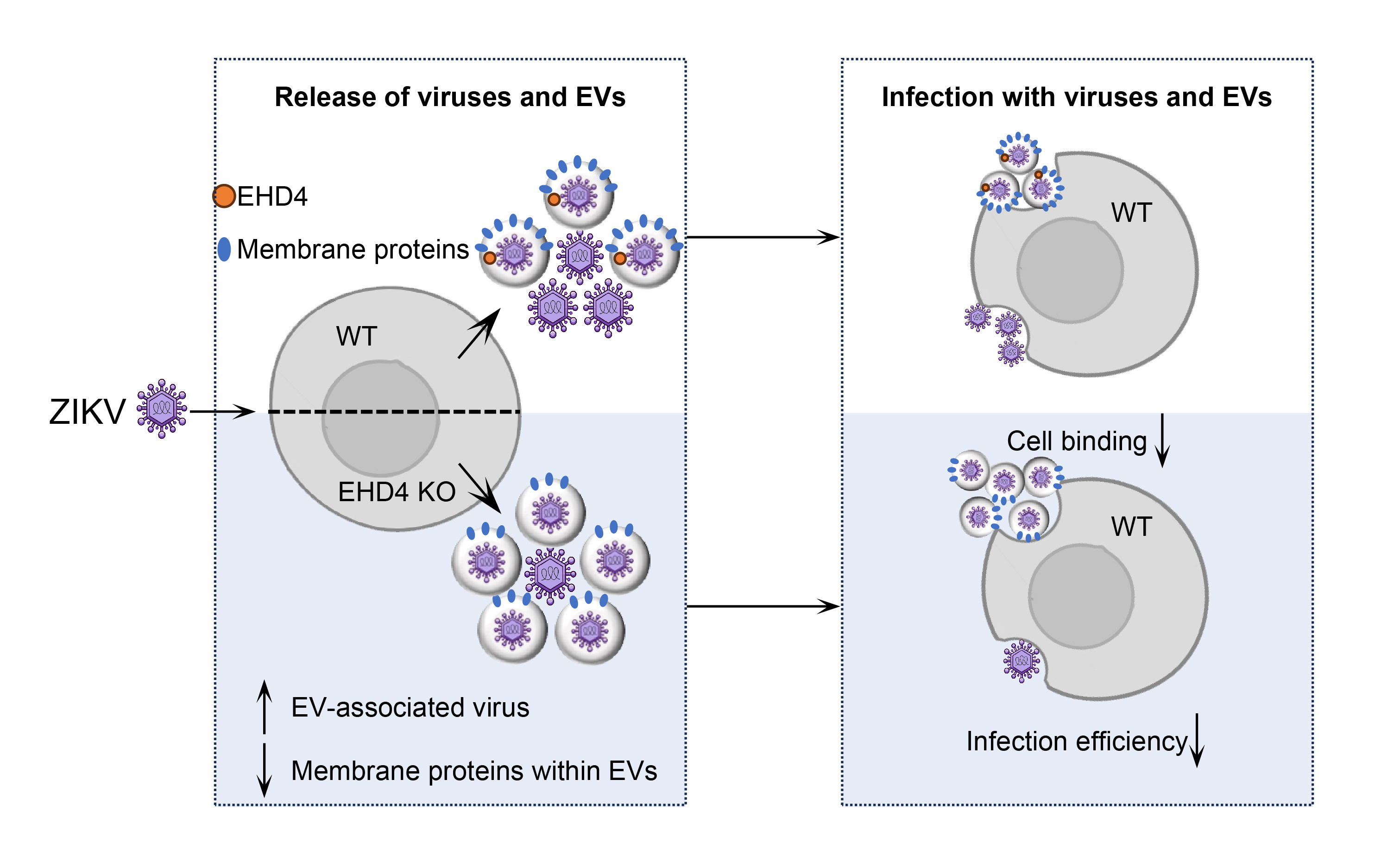
Extracellular vesicles (EVs) and other extracellular membrane-associated particles can contribute to viral dissemination; however, the host factors that regulate the composition and infectivity of EV-associated viral material remain incompletely understood. Here, comparative proteomic profiling identified Eps15 homology domain-containing protein 4 (EHD4) as a candidate host factor enriched in EV/virion-containing preparations from Zika virus (ZIKV)-infected Vero cells. Genetic ablation of EHD4 in HeLa cells impaired the propagation of ZIKV, Japanese encephalitis virus, and dengue virus serotype 2, whereas EHD4 re-expression restored viral propagation. In ZIKV-infected EHD4-knockout (KO) cells, a greater proportion of extracellular viral RNA was recovered in EV-enriched fractions than in wild-type (WT) cells. However, viral material recovered from KO-derived EV-enriched fractions exhibited reduced cell-binding activity and lower infectivity. Partial disruption of membrane integrity attenuated the difference in infectivity between WT- and KO-derived preparations, suggesting that membrane-associated components contribute to the functional properties of the associated viral material. ZIKV replicon assays showed no major effect of EHD4 on viral RNA replication. Immunofluorescence showed partial colocalization of EHD4 with CD63-positive compartments and ZIKV envelope protein. Transmission electron microscopy revealed that EHD4 loss did not affect multivesicular body (MVB) formation, but virus-like particles were readily observed in MVB lumens of WT cells and rarely in KO cells, suggesting that EHD4 promotes viral sorting into MVB luminal vesicles. Quantitative proteomic analysis further identified reduced abundance of a subset of membrane-associated proteins in KO-derived EV-enriched fractions. Collectively, these findings identify EHD4 as a host factor that influences the extracellular partitioning, composition, and infectivity of flaviviral material recovered in EV-enriched fractions. The molecular mechanisms underlying these effects remain to be defined.
Influenza A virus (IAV) remains a major threat to human and animal health, highlighting the need for efficient approaches to identify host factors and antivirals. Reporter viruses are critical tools for these efforts, but incorporating large reporter genes often compromises viral fitness and genetic stability. Here, we developed a replication competent reporter IAV by fusing an 11-amino acid HiBiT tag into the nonstructural protein 1 (NS1) of the A/WSN/1933 (H1N1) backbone. The modified virus retained parental virion morphology, comparable replication kinetics, and in vivo tissue tropism, while enabling the highly sensitive, rapid, and quantitative detection of viral replication. Using this reporter virus, we established a robust high-throughput screening (HTS) platform with excellent assay quality and validated its capability to identify host regulators of IAV infection. Application of this platform to host-encoded micropeptides (miPEPs) led to the identification of cytokine-inhibitory micropeptide 53 (CIM53) as a novel regulator of IAV replication. Mechanistically, CIM53 promoted IAV replication by intrinsically suppressing antiviral innate immune responses. Furthermore, although CIM53 enhanced viral replication, its immunomodulatory activity contributed to reduced lung injury and improved survival when combined with Oseltamivir (OSV) treatment in infected mice. Our study establishes a highly practical screening platform for virological research and highlights CIM53 as a potential host-directed adjunct therapy for severe IAV infection.
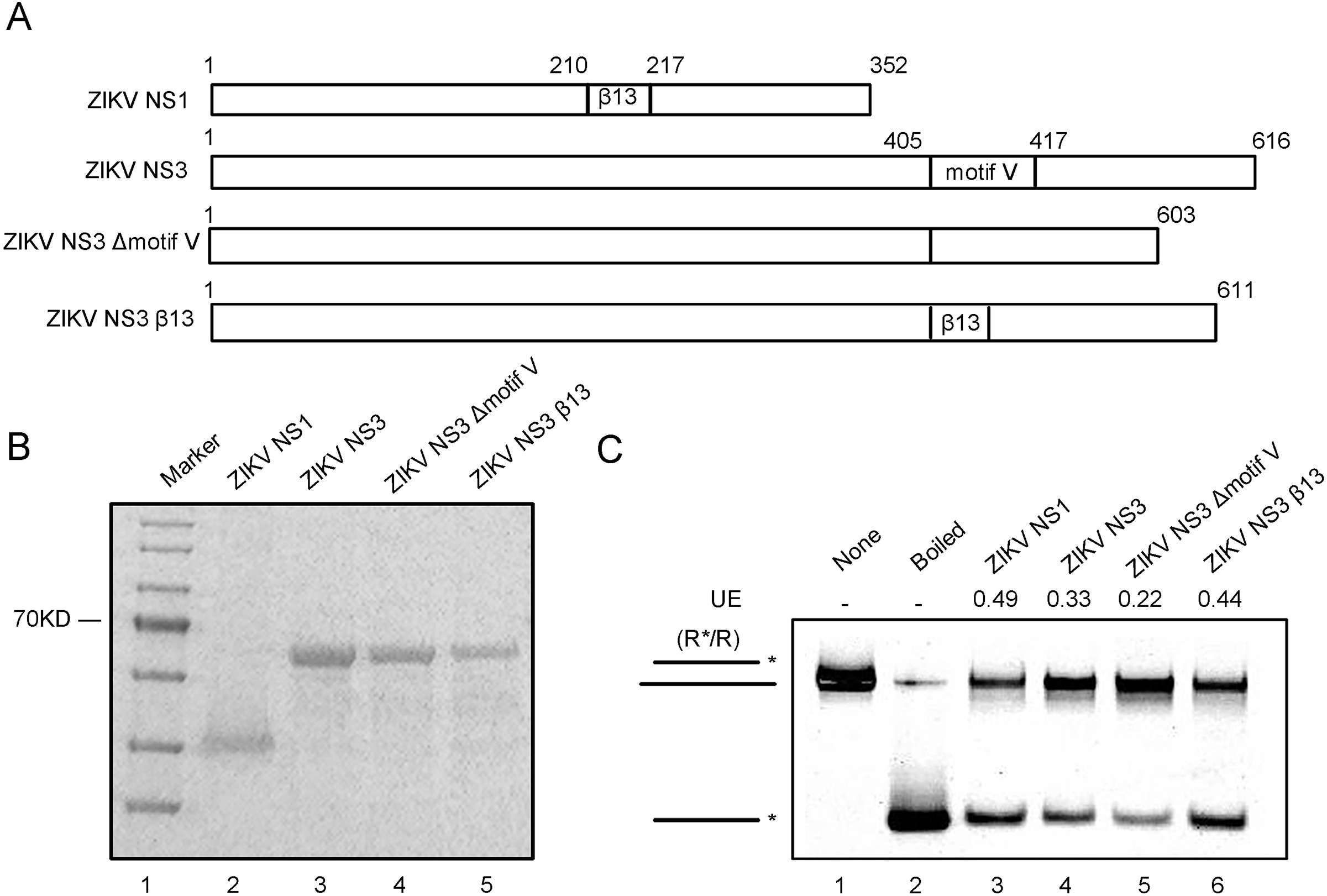
Flaviviruses are a group of arthropod-borne positive-sense RNA viruses, including Zika virus (ZIKV), dengue virus 2 (DENV2) and Japanese encephalitis virus (JEV). For RNA viruses, RNA helicases play critical roles in viral replication by unwinding double-stranded RNA intermediates generated in viral life cycles by remodeling viral RNA structures. Here, we report that NS1 proteins from ZIKV, DENV2 and JEV, possesse NTPase and RNA helix unwinding activities. ZIKV NS1 unwinds dsRNA in an NTP-dependent manner with 5′→ 3′ directionality, and its unwinding activity is broad-spectrum, targeting dsRNA, dsDNA and RNA/DNA hybrids. Moreover, both DENV2 and JEV NS1 also display NTPase and helicase activities, but they differ in substrate preference and directionality: JEV NS1 unwinds in the 5′ → 3′ direction like ZIKV NS1, whereas DENV2 NS1 unwinds only shorter duplexes and shows 3′ → 5′ directionality. Mutagenesis identified the basic residue at position 211 (arginine in ZIKV, lysine in DENV2/JEV) as critical for the unwinding activity of ZIKV and JEV NS1, but dispensable for DENV2 NS1. These findings indicate that flavivirus NS1 represents a previously unrecognized non-canonical RNA helicase, suggesting that NS1 may have the capacity to participate in RNA remodeling processes.
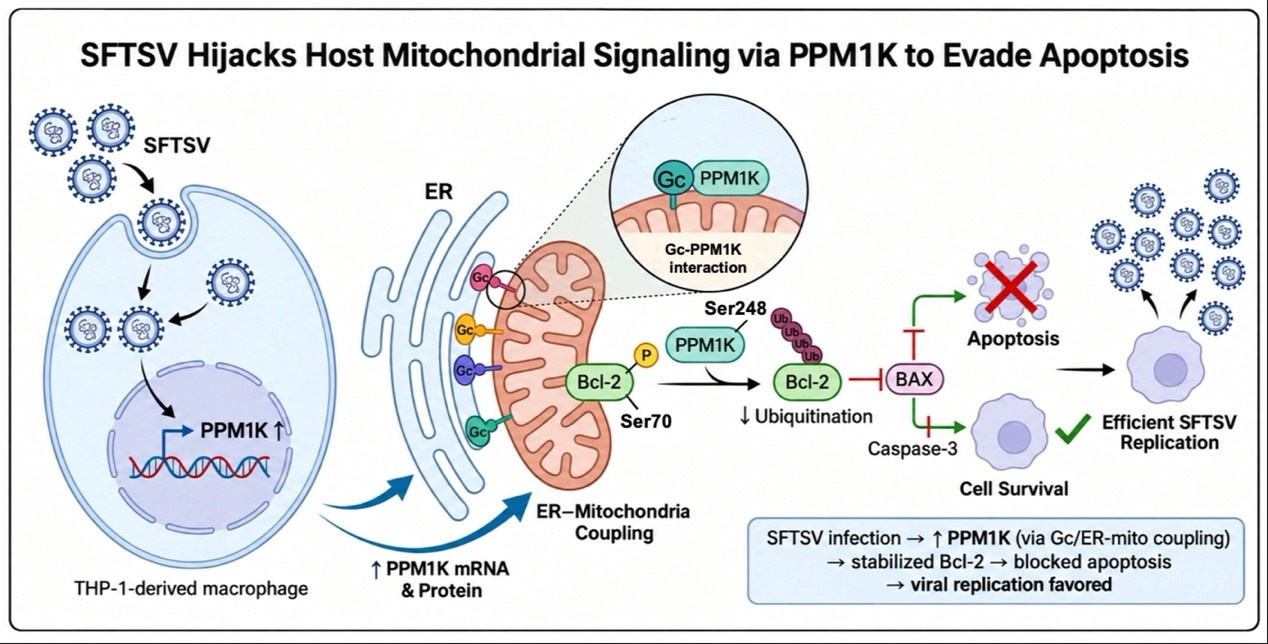
SFTSV (Severe fever with thrombocytopenia syndrome virus) causes severe febrile illness with high case fatality rates and poses a growing public health threat, while the molecular basis by which it subverts host survival pathways remains poorly understood. In this study, transcriptomic profiling identified PPM1K as a prominently induced host factor in SFTSV-infected THP-1-derived macrophages. We further demonstrate that SFTSV infection promotes endoplasmic reticulum-mitochondria coupling, enabling the viral glycoprotein Gc to interact with mitochondrial PPM1K and enhance its expression at both transcriptional and protein levels. Mechanistically, the S248 residue of PPM1K is required for its dephosphorylation of Bcl-2, thereby decreasing Bcl-2 ubiquitination and stabilizing its anti-apoptotic activity, which ultimately suppresses the BAX-caspase-3 signaling cascade. This anti-apoptotic remodeling markedly limits apoptosis in infected cells and facilitates efficient SFTSV replication. These findings uncover a previously unrecognized viral strategy in which SFTSV hijacks host PPM1K-dependent mitochondrial signaling to evade apoptosis and promote replication.
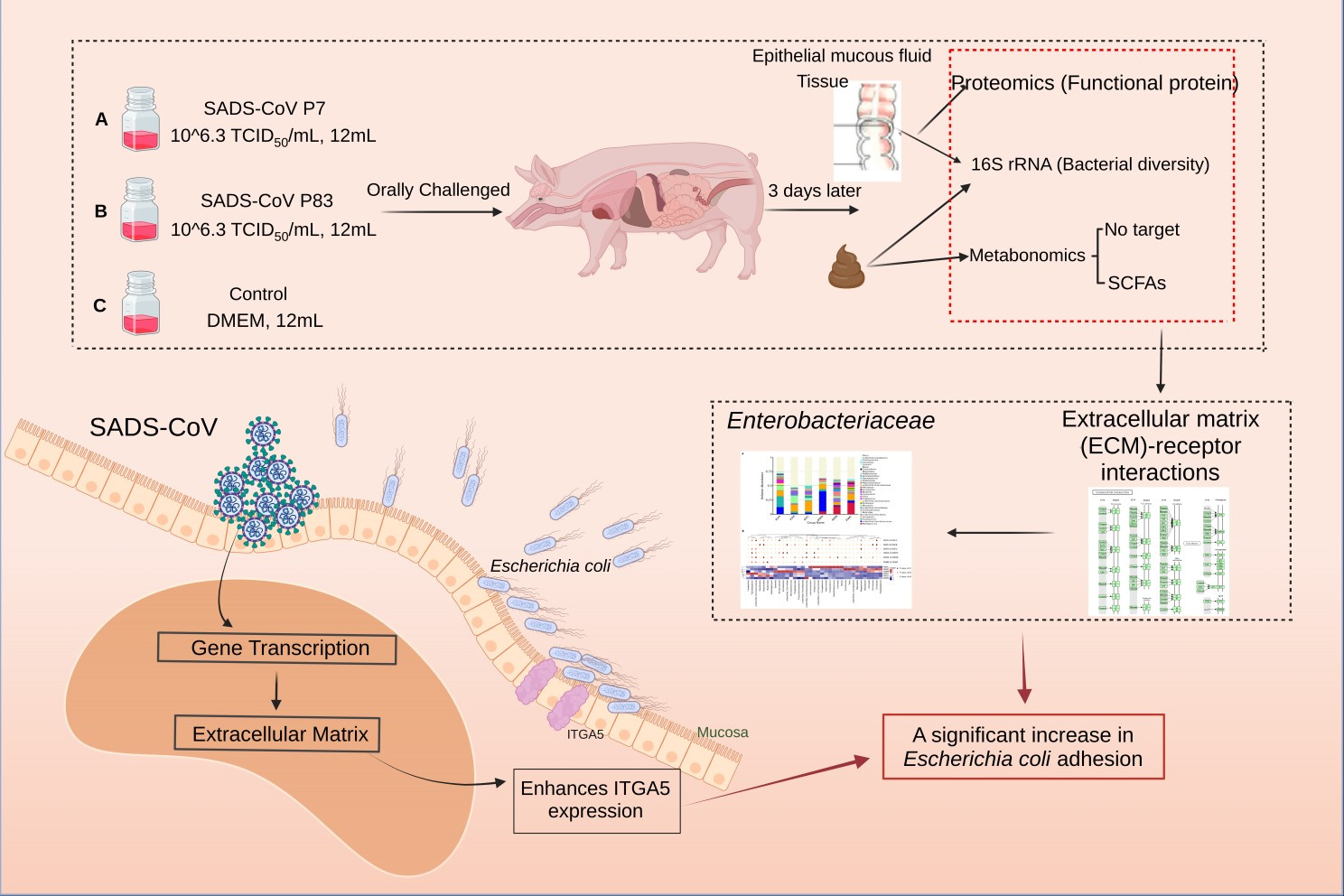
Swine acute diarrhea syndrome coronavirus (SADS-CoV) infection causes severe acute diarrhea, vomiting, and lethality in piglets. To explore the molecular mechanisms by which intestinal flora regulate viral infection, we conducted multi-omics analysis [proteomics, metabolomics, short-chain fatty acids (SCFA) quantification] and 16S rRNA sequencing on intestinal mucosal and fecal samples from piglets infected with highly pathogenic SADS-CoV P7 stain or low-pathogenic SADS-CoV P83 strain. In both ileal mucosa and fecal samples, the abundance of Enterobacteriaceae was markedly higher in the highly pathogenic strain infection group than in either the control group or the low-pathogenic strain infection group. The concentration of SCFAs was significantly lower in the highly pathogenic SADS-CoV infected pigs than the low-pathogenic strain infected pigs, and SCFA levels were negatively correlated with the abundance of Enterobacteriaceae and Escherichia coli in the ileal mucosa. Compared with the low-pathogenic group, differentially expressed proteins in the highly pathogenic group were mainly associated with extracellular matrix-receptor interaction and focal adhesion pathways. SADS-CoV P7 infection increased both the adhesion capacity and the number of adherent Escherichia coli O157 on IPEC-J2 cells. This study demonstrates that the highly pathogenic SADS-CoV P7 strain remodels gut microbiota to exacerbate intestinal inflammation and tissue damage via activating integrin alpha5-mediated extracellular matrix-pathogen interactions. In contrast, the low-pathogenic SADS-CoV P83 strain exhibits attenuated virulence due to a lack of these regulatory pathways. This study elucidates the distinct pathogenic mechanisms of highly pathogenic and low-pathogenic SADS-CoV strains and provides critical insights for the development of broad-spectrum anti-coronavirus therapeutics and rational vaccine design.
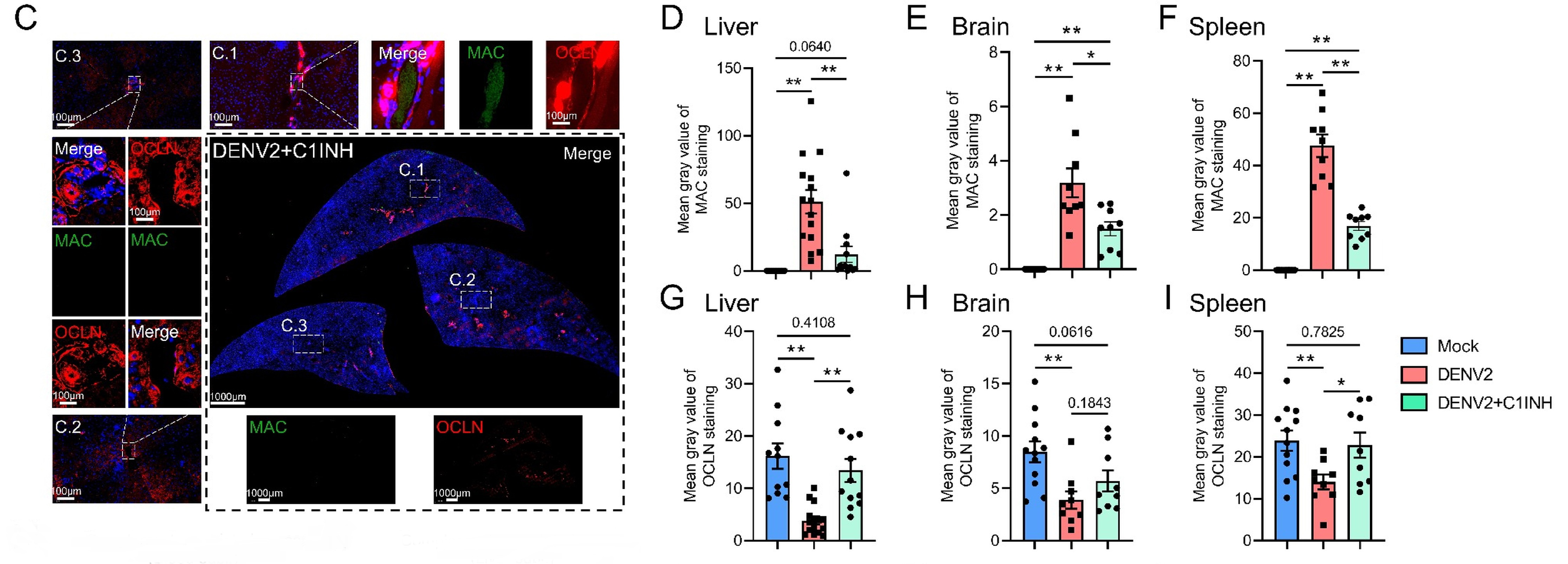
Dengue virus (DENV) infection causes a broad spectrum of clinical manifestations, ranging from self-limiting dengue fever (DF) to life-threatening severe dengue (SD). Increased vascular permeability and endothelial dysfunction are hallmarks of SD and contribute to plasma leakage, shock, and multi-organ injury, yet the underlying mechanisms remain incompletely understood. Here, we integrated dynamic bulk and single-cell RNA sequencing data from peripheral blood mononuclear cells (PBMCs) of dengue patients at different disease stages to investigate the mechanisms associated with disease progression. Complement-related signatures were prominently altered in patients with dengue with warning signs (DWS) and SD, with monocytes emerging as a major cellular source of increased C1Q genes (C1QA, C1QB, and C1QC) expression. These findings implicated monocyte-derived C1q and classical complement pathway activation in dengue progression. Using a severe dengue mouse model, we further demonstrated systemic complement activation and deposition of the terminal complement effector membrane attack complex (MAC), which was associated with microvascular endothelial damage and multi-organ injury. Importantly, inhibition of the classical complement pathway with C1INH (C1 esterase inhibitor) significantly alleviated vascular barrier dysfunction and multi-organ injury in severe dengue mice. Collectively, our findings identify monocyte-derived C1q and dysregulated classical complement activation as important contributors to vascular endothelial and multi-organ injury in SD and suggest that targeting the classical complement pathway may represent a potential therapeutic strategy for severe dengue.
Current influenza vaccination strategies are constrained by the trade-off between the safety of inactivated platforms and the immunogenic potency of live attenuated vaccines. Here, we provide a comprehensive demonstration that subcutaneous (SC) immunization with a non-attenuated, replication-competent live influenza A virus (LIV) decouples immunogenicity from pathogenicity. Using a murine model, we show that a single high-dose SC immunization of A/Puerto Rico/8/34 (H1N1) elicited sterile pulmonary immunity against lethal challenge, significantly outperforming intramuscular delivery and inactivated vaccines. Biodistribution analysis confirms viral replication is transient (<7 days) and strictly restricted to the injection site and draining lymph nodes, with no systemic dissemination to the lungs or central nervous system. Mechanistically, single-cell transcriptomics reveal that SC delivery triggers a localized type I interferon "firewall" that transitions into a robust germinal center (GC) reaction, fostering extensive plasma cell differentiation and superior memory B cell formation compared to phosphate-buffered saline (PBS)-treated controls. This regimen conferred 100% protection at 277 days post-immunization. Together, these findings establish peripheral LIV administration as a high-potency paradigm for next-generation rapid-response vaccines.
Pigs are crucial as food sources, biomedical models, and reservoirs of some zoonotic viruses, yet their comprehensive viral exposure history remains poorly understood. Here, we developed SwiVirScan, a T7 phage display-based serological platform containing 36,416 peptides derived from 140 known swine-associated viruses. Application of SwiVirScan to 127 field serum samples from adult breeding pigs revealed extensive and diverse antibody signatures: every sample recognized peptides assigned to multiple viruses, including viruses with reported zoonotic relevance or potential for cross-species transmission. Pairwise analysis identified enriched co-seropositivity patterns, including a robust association between porcine bufavirus (PBuV) and porcine circovirus 3 (PCV3), and uncovered distinct associations between seroreactivity to vaccine-targeted viruses and other viral exposures. These findings establish SwiVirScan as a high-throughput platform for mapping viral exposure histories in pig populations and prioritizing viral targets for focused surveillance and investigation.
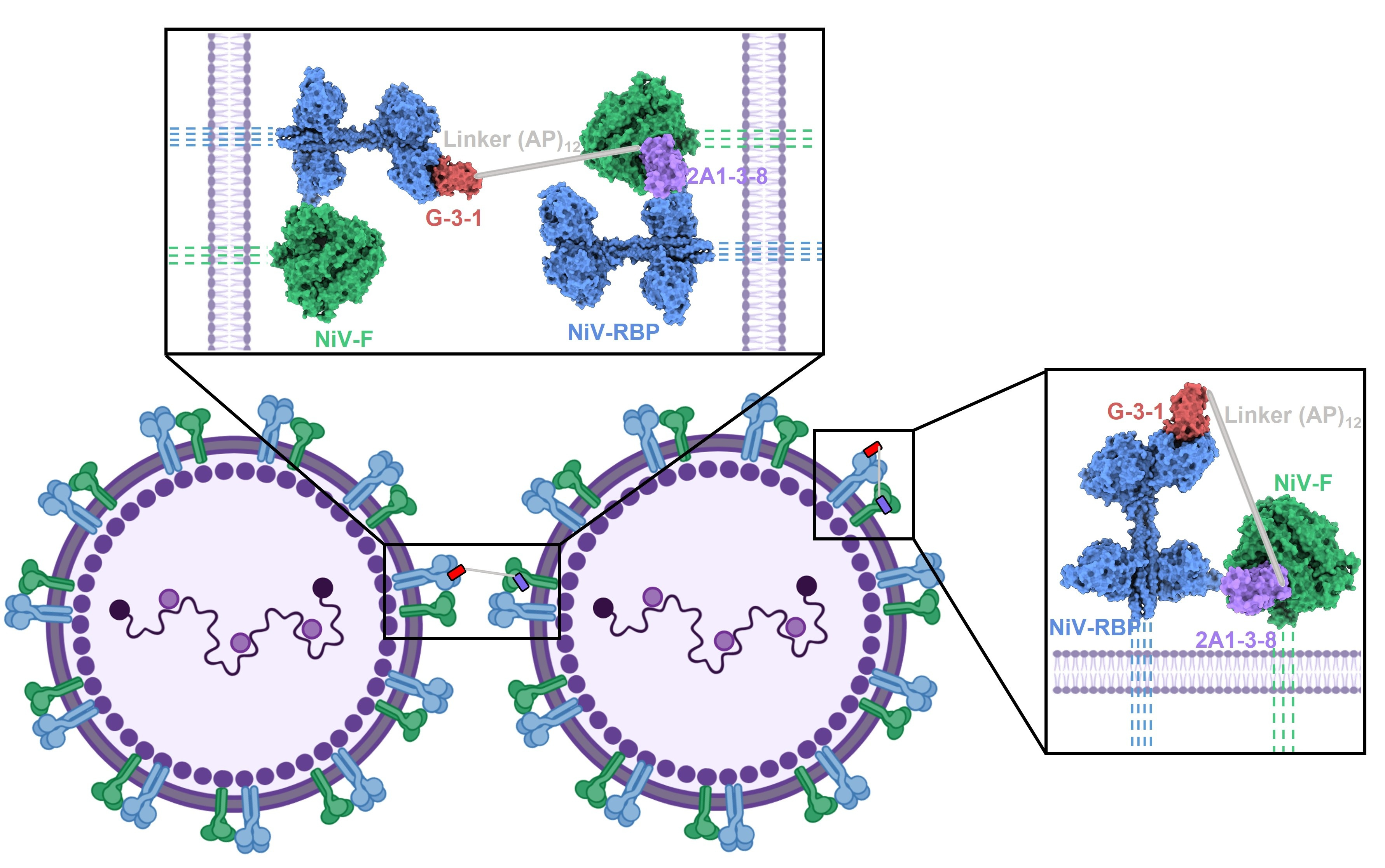
Nipah virus (NiV) is a biosafety level 4 pathogen that has consistently posed a significant threat to public health. The two envelope proteins on the viral surface, the receptor-binding protein (RBP) and the fusion (F) protein, are the primary targets of neutralizing antibodies. However, the use of antibodies targeting a single viral antigen often leads to the emergence of resistant strains. Here, by panning phage display library, we obtained a C-type nanoantibody (C-Nab), G-3-1, targeting the head domain of RBP. The half-life-extended G-3-1-HLE effectively protected hamsters against authentic NiV challenge. Furthermore, we constructed a fusion protein, 2A1-3-8-(AP)12-G-3-1, by linking G-3-1 to the F-targeting nanobody 2A1-3-8 via a rigid (AP)12 linker. This fusion protein exhibited improved and balanced neutralizing activity. In addition, the in vivo prophylactic efficacy of 2A1-3-8-(AP)12-G-3-1 was validated in a mouse model of NiV pseudovirus infection. Collectively, this study on a dual-envelope-protein-targeting bispecific antibody not only provides a promising antiviral candidate, but also offers an important design strategy for next-generation antibody optimization.
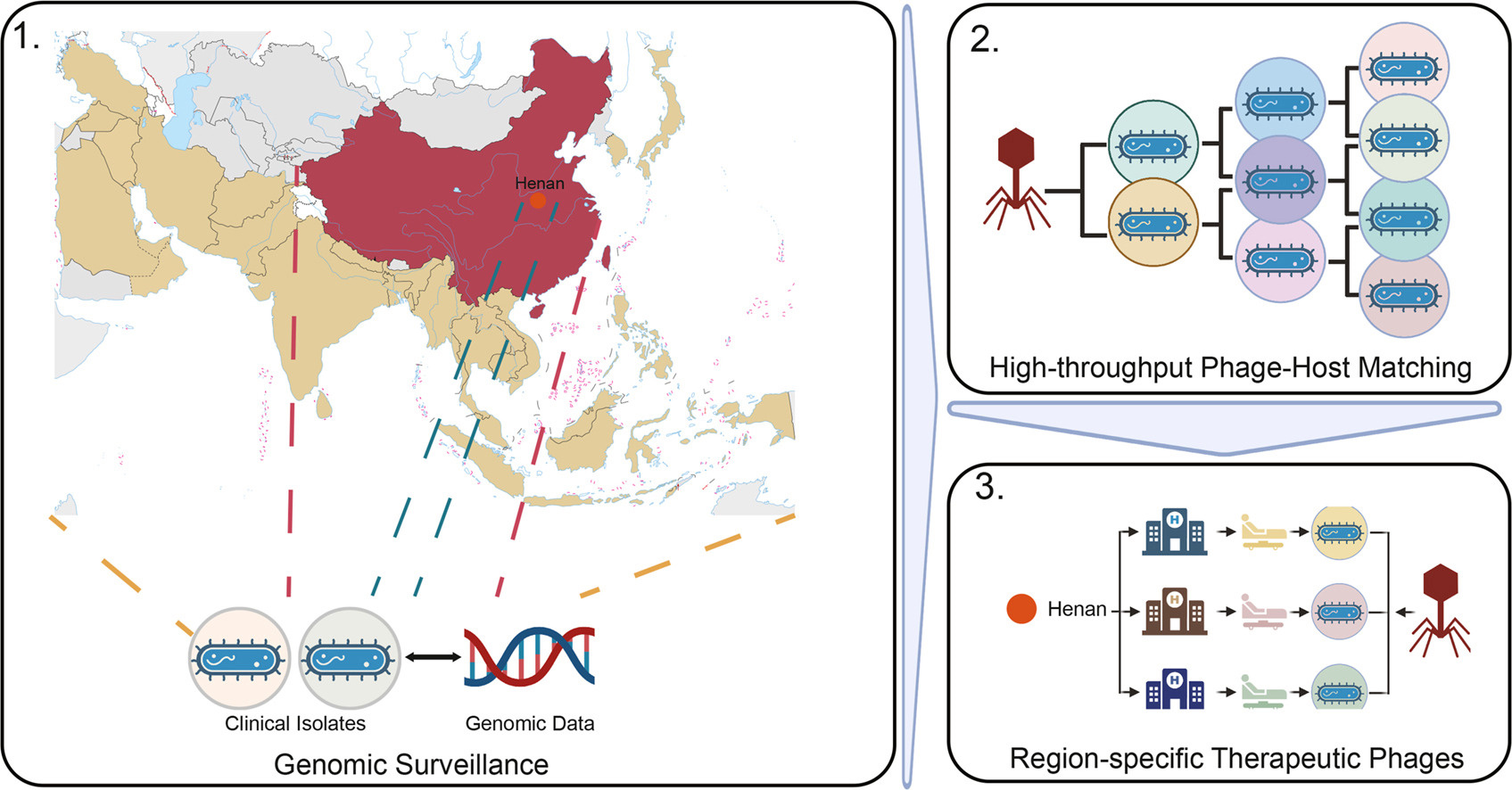
Phage therapy has emerged as a promising alternative for combating multidrug-resistant hypervirulent Klebsiella pneumoniae (MDR-hvKP) infections. Recent advances suggest that tailoring phage cocktails based on genomic surveillance of circulating strains might yield more effective regimens (Koncz et al., 2024). Here, we combined publicly available epidemiological records with regional strain analysis to examine the distribution of the ST23-K1 lineage and to place the selected target in genomic and clinical context. Among the 227 isolates in our Henan collection, ST23-K1 accounted for 11.01% of isolates. We isolated a novel lytic phage, vB_KpnS_P10HW, from urban sewage using a clinically representative high-risk ST23-K1 MDR-hvKP strain, KH1127-5, as the host. vB_KpnS_P10HW exhibited lytic activity against K1-type K. pneumoniae isolates across four sequence types. The phage displayed rapid adsorption (80% within 10 min), a short latent period (5 min), and remarkable stability across temperature (4-60 °C) and pH (4-10) ranges. Whole-genome sequencing revealed a 49,682nullbp linear dsDNA genome devoid of lysogeny, virulence, or antibiotic resistance genes. Phylogenomic analysis placed vB_KpnS_P10HW within the family Drexlerviridae, genus Webervirus. Functionally, vB_KpnS_P10HW rapidly reduced viable bacterial cells within 30 min at high multiplicities of infection and effectively disrupted preformed biofilms in a dose-dependent manner. In vivo, phage administration increased the survival rates in both Galleria mellonella and mouse infection models. These results support vB_KpnS_P10HW as a genetically safe and promising therapeutic candidate against clinically relevant ST23-K1-associated MDR-hvKP and suggest that integrating genomic epidemiological context with phage characterization may help prioritize regional targets for precision phage therapy against K. pneumoniae.
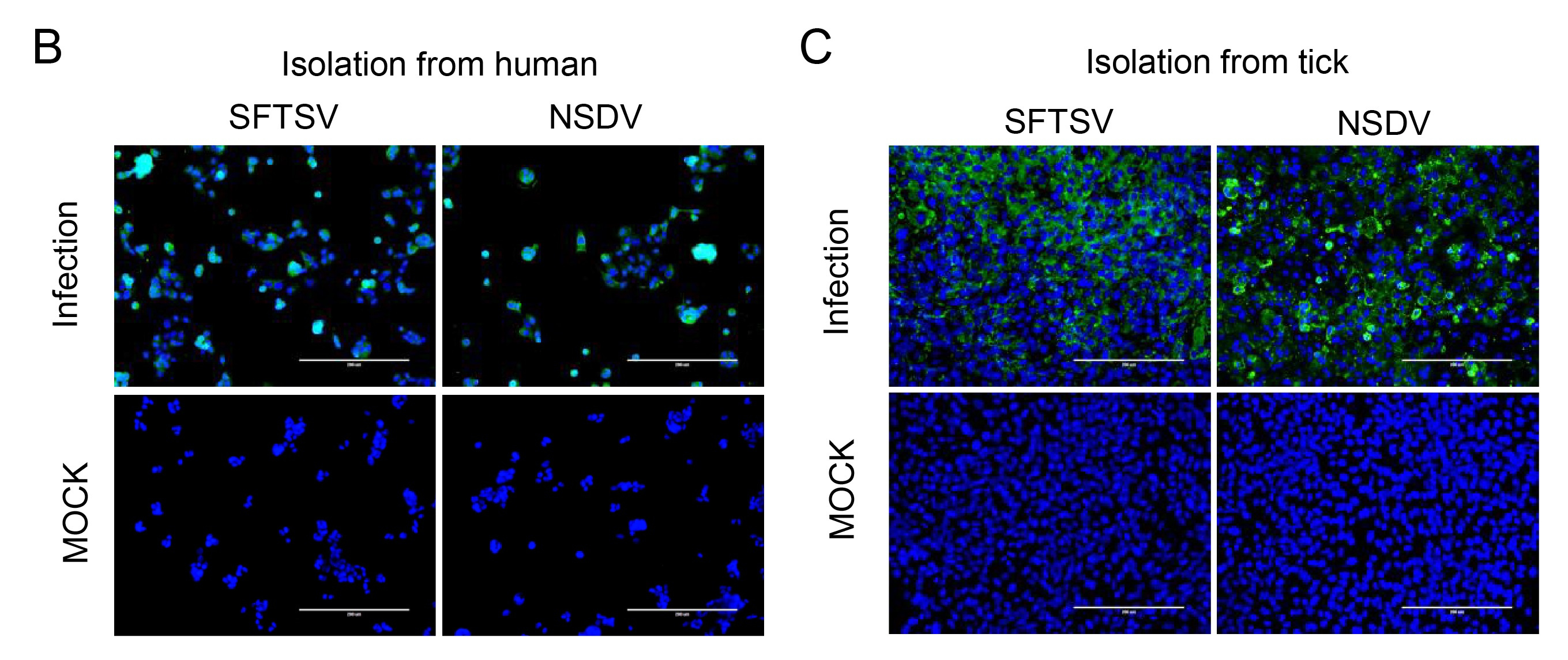
Highlights 1 First fatal human co-infection with SFTSV and NSDV. 2 First confirmed natural human NSDV infection in China. 3 Haemaphysalis longicornis is a potential vector for SFTSV and NSDV.
Highlights 1 First identification of Pl-CV in Chinese mainland, with a 34.0% detection rate in farmed civets. 2 Pl-CV DNA was detected in liver (31.4%) and intestine (25.7%) specimens from one Shaoguan farm. 3 Four complete genomes show 87.4%–90.0% nucleotide identity with Japanese civet circoviruses.
Highlights 1 Human brain organoids and neural progenitor cells are susceptible to OROV infection. 2 NHC (the active form of molnupiravir) shows suboptimal antiviral efficacy against OROV in neural models. 3 IFN-α strongly inhibits OROV in NPCs but shows limited antiviral potency in brain organoids. 4 Discrepancies between 2D and 3D platforms highlight the indispensable role of organoids in antiviral drug discovery.
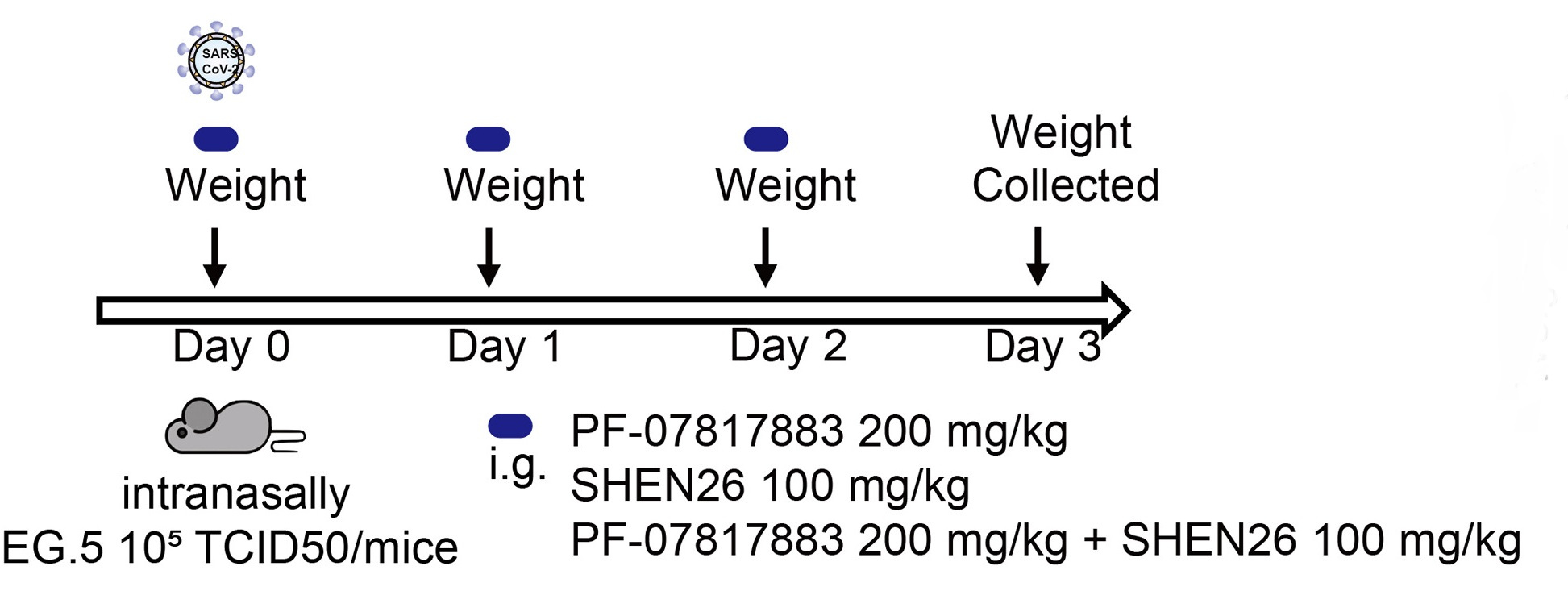
Highlights 1 ATV014 (SHEN26) and PF07817883 exhibited potent synergistic antiviral activity against SARS-CoV-2 in vitro. 2 In vivo, the combination showed synergistic antiviral and tissue-repair effects superior to either monotherapy. 3 The therapeutic potential of combining a RdRp inhibitor with a main protease inhibitor as a complementary antiviral strategy.
Highlights 1 A new dimension of the host-IAV arms race is revealed, centered on ACSL3 at the UPR crossroads. 2 Key questions remain regarding ACSL3-UPR sensor interfaces and ACSL3 induction/degradation mechanisms. 3 Addressing the questions will advance ACSL3-IAV interplay insights and may inform host-targeted therapy.